
Beautiful Plants For Your Interior
Beautiful Plants For Your Interior
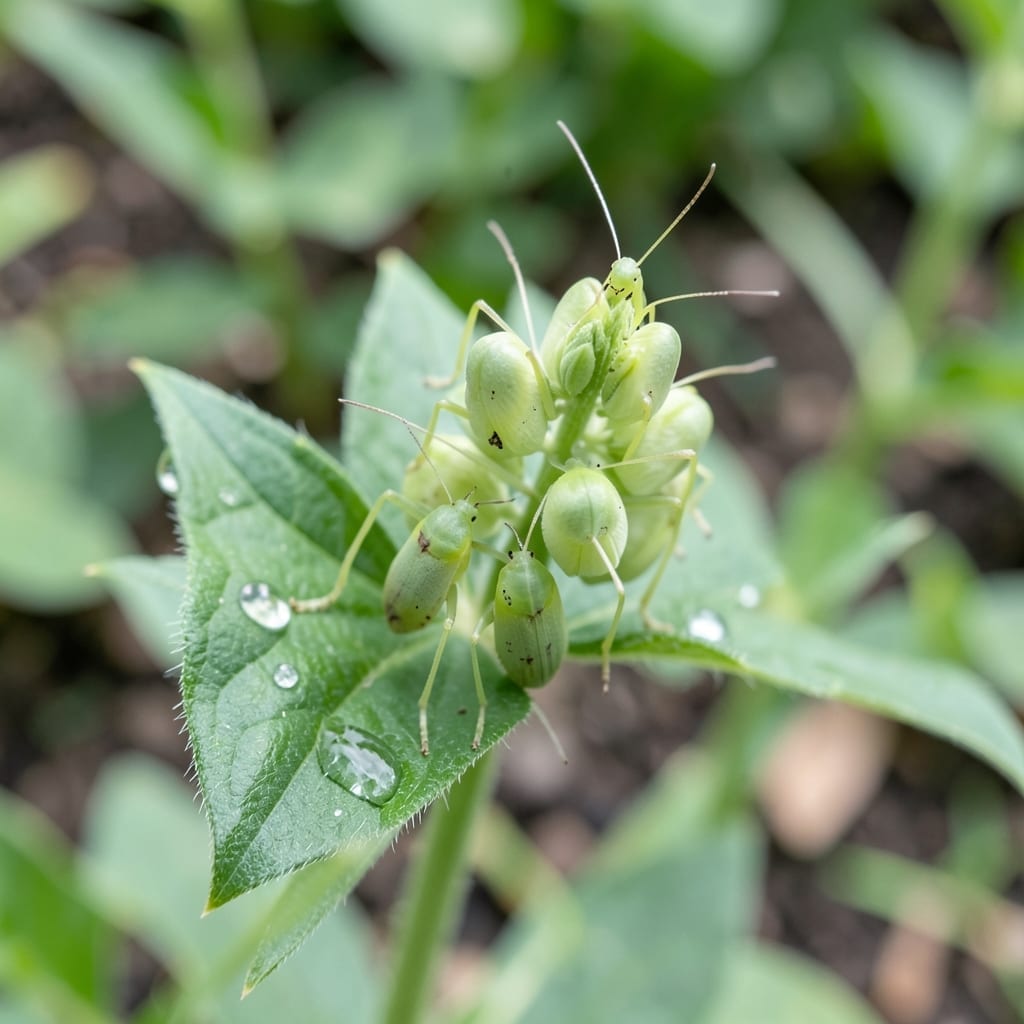
I spotted my first lupin aphid outbreak on a Sunday morning. Tiny green dots clustered on fresh growth, sucking the life from my favorite spring blooms.
Here’s the thing—aphids multiply fast, but lupins bounce back even faster with the right approach. I’ve tested every organic method, and the winners don’t involve harsh chemicals or expensive sprays.
Within 48 hours of treatment, you’ll see aphid numbers drop dramatically. The plants recover quickly, and future blooms stay protected with simple preventive steps.
Works for established plants and new lupin starts alike. Let’s tackle this before it spreads.
Green aphids thrive on lupins due to a combination of environmental and biological factors. Understanding these triggers helps you prevent and manage outbreaks effectively.
Excess nitrogen in the soil promotes lush, soft growth in lupins—perfect for aphids. These pests are drawn to the tender new shoots and leaves, which are easier to pierce and feed on. Reduce high-nitrogen fertilizers and opt for balanced or phosphorus-rich options to toughen plant tissues.
Both overwatering and drought stress weaken lupins, making them more susceptible. Overwatering creates humid conditions aphids love, while drought-stressed plants produce higher sugar content in sap, attracting more pests. Maintain consistent moisture with well-draining soil to keep plants resilient.
Aphids reproduce rapidly in temperatures between 65–80°F (18–27°C) with low humidity. Lupins grown in such climates often face explosive aphid populations if left unchecked. Monitor weather forecasts and inspect plants during warm spells to catch infestations early.
Without ladybugs, lacewings, or parasitic wasps, aphid colonies grow unchecked. Pesticides can kill these beneficial insects, tipping the balance in favor of pests. Plant companion flowers like alyssum or dill to attract predators, or introduce them manually for biological control.
Tackling green aphids on lupins doesn’t have to be a battle. Start with a strong blast of water to dislodge clusters from leaves and stems. This simple step can remove a significant portion of the pests without chemicals.
For a targeted approach, mix 1 teaspoon of mild liquid soap with 1 liter of water and spray directly onto aphids. The soap breaks down their protective coatings, causing them to dehydrate. Reapply every 2–3 days until they’re gone. Neem oil is another effective option—dilute it as directed and spray in the early morning or late evening to avoid harming beneficial insects.
Encourage natural predators like ladybugs, lacewings, or parasitic wasps by planting companion flowers such as marigolds or yarrow near your lupins. These insects feed on aphids and help maintain a balanced ecosystem. Avoid broad-spectrum pesticides, as they can harm these helpful allies.
💡 Pro tip: Rotate your methods to prevent aphids from developing resistance. A mix of water blasts, natural sprays, and beneficial insects often yields the best results.
Check the undersides of new leaves and flower buds weekly. Look for clusters of tiny green bugs or sticky residue on leaves. Early detection makes treatment much easier.
No, a mild soap solution (1 tsp per liter of water) is safe for lupins when used correctly. Avoid harsh detergents and always spray in the evening to prevent leaf burn.
It’s best to avoid them as they kill beneficial insects too. If absolutely necessary, choose targeted insecticidal soaps and apply only to infested areas.