
Beautiful Plants For Your Interior
Beautiful Plants For Your Interior
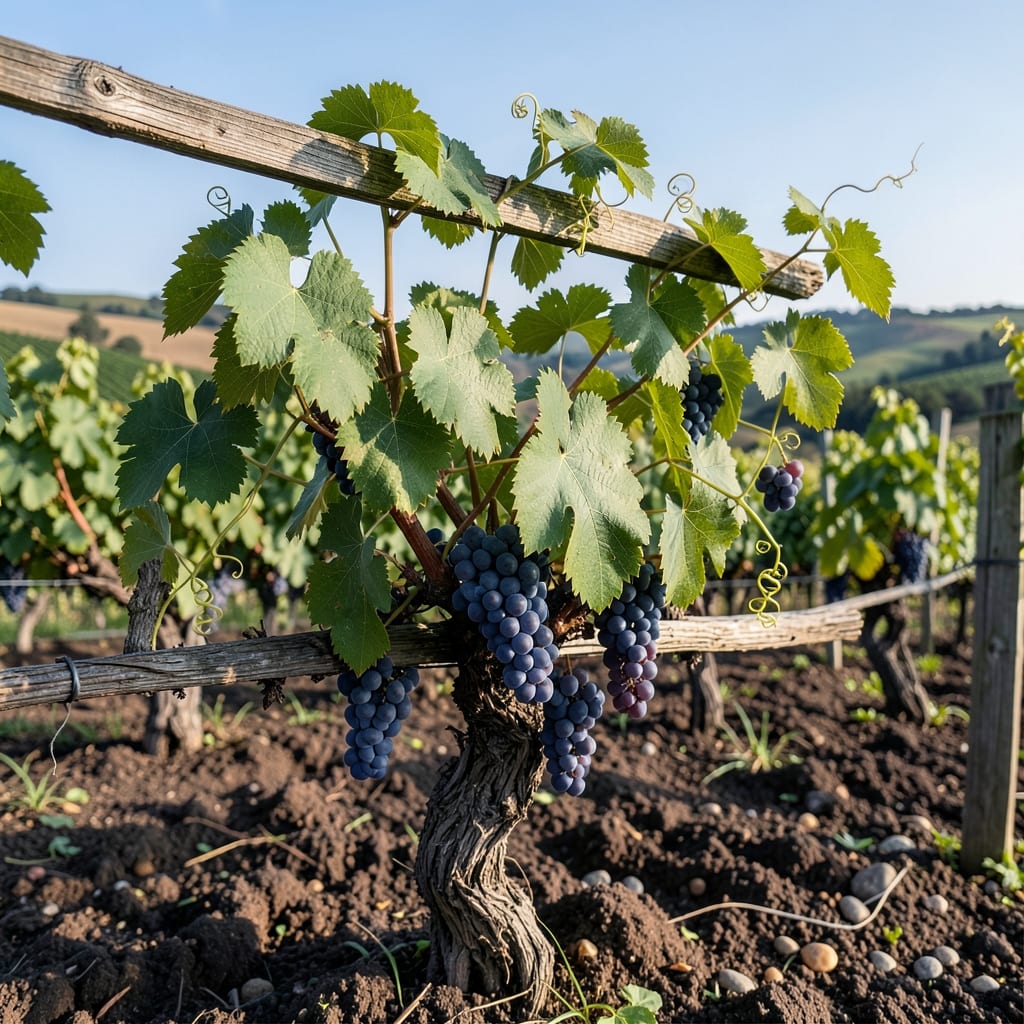
Grape vine leaves transform any garden with their lush, healthy growth. I learned the hard way that proper care makes all the difference.
Start with well-draining soil and full sun exposure. Regular pruning keeps the foliage vibrant and productive, giving you those beautiful leaves you want.
📚 In This Guide
Here’s the method I use to ensure lush, disease-resistant foliage every season.
Choose a location with full sun exposure—grape vines need at least 6-8 hours of direct sunlight daily for optimal leaf growth. The soil should be well-draining with a pH between 6.0-6.5. I always test my soil first; if it’s too alkaline, I amend it with compost or peat moss to lower the pH.
Clear the area of weeds and debris to reduce competition for nutrients. Dig a hole about 12 inches deep and wide for each vine. This ensures the root system has enough space to establish itself. If your soil is heavy clay, mix in some sand or organic matter to improve drainage.
Place the vine in the hole, ensuring the root crown sits just above the soil line. Backfill with soil, pressing down lightly to remove air pockets. Water thoroughly right after planting to help the soil settle around the roots. I use about 1-2 gallons of water per plant during this initial watering.
Add a 2-3 inch layer of mulch around the base to retain moisture and suppress weeds. Keep the mulch a few inches away from the trunk to prevent rot. You’ll notice new growth emerging within 2-3 weeks if the planting was successful.
Install a trellis or support system immediately after planting. Grape vines are vigorous climbers and need a structure to grow upward. I use a 5-6 foot tall trellis with horizontal wires spaced 12-18 inches apart. This encourages upward growth and better air circulation, which is critical for healthy leaves.
As the vine grows, gently tie the new shoots to the trellis using soft garden twine or plant clips. Avoid tying too tightly, as this can damage the stems. The goal is to create an open canopy where sunlight and air can reach all the foliage, reducing the risk of fungal diseases.
Water deeply once a week, providing about 1-2 gallons per plant, depending on rainfall and soil conditions. The soil should feel moist but not waterlogged. I check the moisture level by sticking my finger 1-2 inches into the soil—if it feels dry, it’s time to water.
Fertilize in early spring with a balanced 10-10-10 fertilizer, following the package instructions. Avoid over-fertilizing, as this can lead to excessive leafy growth at the expense of fruit. You’ll see the best leaf development when the vine receives consistent moisture and nutrients without stress.
Prune the vine in late winter or early spring before new growth starts. Remove any dead, diseased, or crossing branches to improve air circulation. I also thin out excess growth to allow sunlight to penetrate the canopy, which keeps the leaves healthy and vibrant.
Regularly inspect the leaves for signs of pests or disease, such as yellowing, spots, or holes. Early detection allows for prompt treatment. Healthy grape vine leaves should be deep green, firm, and free of blemishes, indicating your vine is thriving.
These insights will help you avoid common pitfalls and grow vibrant foliage.
Sunlight Requirement: The 6-8 hours of daily direct sunlight mentioned in Step 1 isn’t just a suggestion—it’s critical for optimal leaf growth. I learned this the hard way when my first vine struggled in partial shade. Full sun exposure ensures the leaves develop their characteristic deep green color and robust texture.
Soil Preparation: Don’t skip testing your soil pH as recommended in Step 1. Grape vines thrive in that 6.0-6.5 range, and even slight deviations can affect leaf health. If your soil is too alkaline, amending with compost or peat moss makes a noticeable difference in foliage quality.
Support System: The 5-6 foot trellis with 12-18 inch wire spacing in Step 3 creates the ideal framework for upward growth. I initially used a shorter trellis and found the leaves at the bottom became shaded and less vigorous. This structure maximizes sunlight exposure to all foliage.
Watering Technique: When watering as described in Step 4, remember that consistency matters more than quantity. The 1-2 gallons per plant weekly guideline works perfectly, but always check that 1-2 inch soil depth—if it’s dry, it’s time to water, regardless of the calendar.
While grape vine leaves are edible, they’re often too tough and bitter raw. For best results, blanch or cook them to soften and enhance flavor, commonly used in dishes like dolmas.
Yellow leaves often signal overwatering, nutrient deficiencies (like nitrogen), or pests. Check soil moisture and fertilize if needed, or inspect for signs of disease.
Harvest leaves in late spring to early summer when they’re tender and bright green. Avoid picking older, tougher leaves, as they’re less suitable for cooking.
If grape vine leaves aren’t available, try cabbage, Swiss chard, or even large spinach leaves as alternatives for wrapping fillings in dolmas.
Remove infected leaves, improve air circulation, and apply a fungicide or a baking soda-spray solution (1 tsp baking soda + 1 quart water + a drop of soap).