
Beautiful Plants For Your Interior
Beautiful Plants For Your Interior
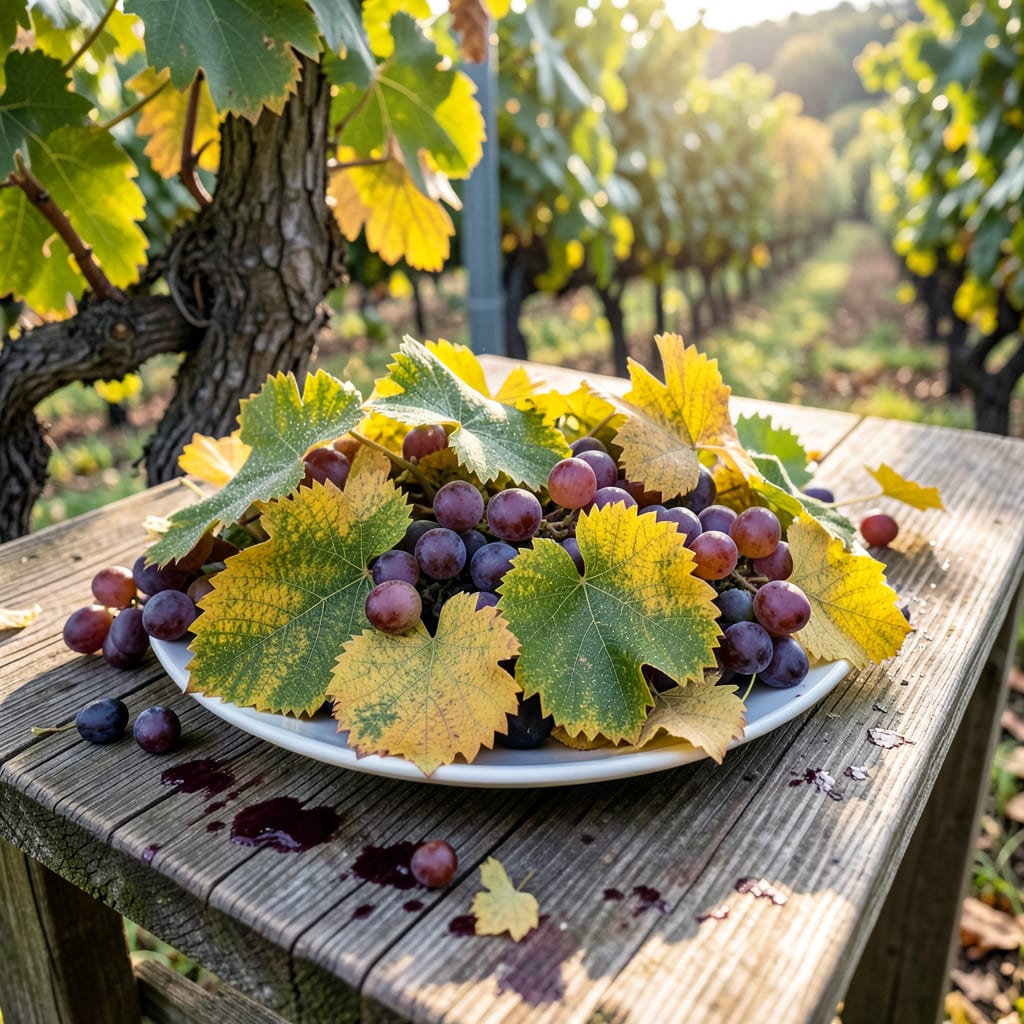
Yellow leaves on your grape vines aren’t just unsightly—they’re a distress signal. I’ve seen entire vineyards go from vibrant green to sickly yellow overnight, and the causes are always one of a few usual suspects.
Most often, it’s a nutrient deficiency or watering issue, but pests and diseases can mimic the same symptoms. The good news? With the right diagnosis, you can turn things around in days, not weeks.
I’ve fixed more yellowing vines than I can count by checking the basics first: soil moisture, leaf patterns, and any visible pests. The solution is usually simpler than you think.
Whether it’s iron deficiency, powdery mildew, or spider mites, we’ll get to the root of it fast.
Grape vine leaves turning yellow is often a sign of stress or disease. Below are the most common causes, explained with actionable insights to help you diagnose the issue.
Yellowing leaves, or chlorosis, frequently result from a lack of essential nutrients. Nitrogen deficiency typically causes uniform yellowing of older leaves, while iron or magnesium deficiency leads to yellowing between leaf veins (interveinal chlorosis). A soil test can confirm deficiencies, and targeted fertilization often resolves the issue.
Excess water or poorly drained soil can suffocate grape vine roots, reducing their ability to absorb nutrients. This stress often manifests as yellowing leaves, particularly in lower foliage. To fix this, ensure your vines are planted in well-draining soil and adjust your watering schedule to allow the top inch of soil to dry between waterings.
Pests like grape leafhoppers or spider mites can damage leaf tissue, leading to yellowing. Inspect the undersides of leaves for tiny insects or webbing. Neem oil or insecticidal soap can help control minor infestations, while severe cases may require targeted pesticides.
Diseases such as downy mildew or Pierce’s disease can cause yellowing leaves. Downy mildew often appears as yellow patches on upper leaf surfaces, while Pierce’s disease causes marginal yellowing and scorching. Fungicides or bactericides can help manage these issues, but prevention through proper spacing and airflow is key.
Extreme heat, cold, or sudden temperature swings can stress grape vines, leading to yellow leaves. Sunburn or frost damage may also cause discoloration. Providing shade cloth during heatwaves or using frost protection methods can mitigate these effects.
Here’s how to tackle each common cause of yellowing grape vine leaves with actionable fixes and prevention tips:
💡 Pro Tip: Always sanitize pruning tools with rubbing alcohol to avoid spreading disease between plants!
Look for patterns in the yellowing. Uniform yellowing of older leaves suggests nitrogen deficiency. Yellowing between veins points to iron or magnesium issues. A soil test will confirm it.
It depends on the cause. If the issue is environmental stress or watering, leaves may recover. But if it’s a disease or severe deficiency, they won’t. Focus on fixing the root problem to prevent further yellowing.
Water deeply 1-2 times per week, allowing the top 1-2 inches of soil to dry out between waterings. Overwatering is a common cause of yellowing, so err on the side of less frequent, deep watering.
Start with neem oil or insecticidal soap, applied to both sides of leaves. Remove heavily infested leaves by hand. For severe cases, use targeted pesticides, but always follow label instructions.
