
Beautiful Plants For Your Interior
Beautiful Plants For Your Interior
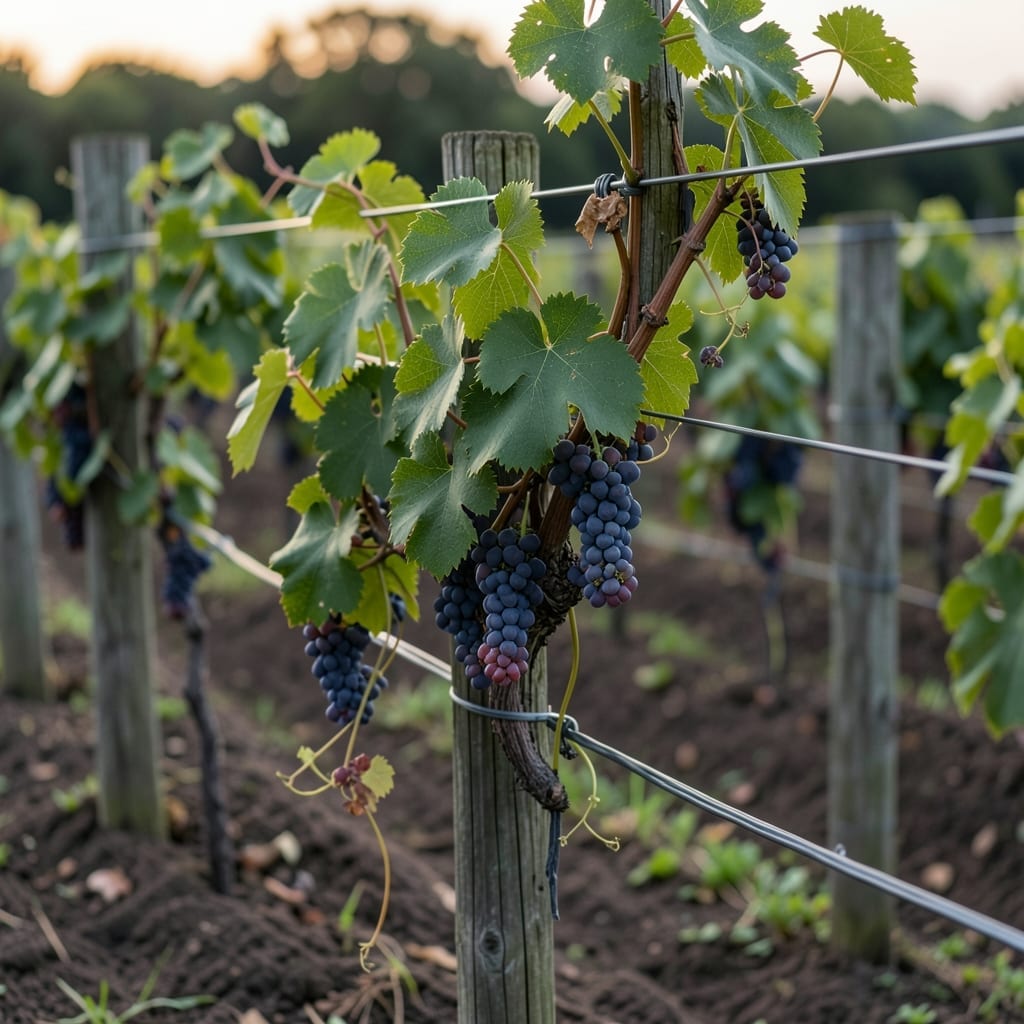
Imagine stepping into your backyard and seeing a lush, rustic divider bursting with life and color. That’s the magic of incorporating the 🍇 Grape vine into your fence design.
It’s more than just a plant – it’s a living, breathing privacy screen that transforms your outdoor space. With the right approach, your fence can become a stunning, fruit-bearing centerpiece.
I’ve explored countless ways to blend function with beauty, and Grape vines consistently deliver both. They’re perfect for zones 5-9, thriving with minimal fuss while adding charm.
Discover how to turn a simple fence into a productive, picturesque feature that neighbors will admire and you’ll love harvesting from.
Choosing the right grape variety is key to a thriving fence. I love Concord grapes for their hardy nature and deep purple fruit, perfect for climates with cold winters. 🌿
For warmer regions, Muscadine grapes are my top pick. Their thick vines provide excellent privacy coverage and resist common diseases. They thrive in USDA zones 7-9 and need minimal maintenance once established. ☀️
| Variety | Best For | USDA Zones | Maintenance |
|---|---|---|---|
| Concord | Cold climates | 5-8 | Moderate |
| Thompson Seedless | Dry climates | 7-9 | Low |
| Muscadine | Warm climates | 7-9 | Minimal |
Thompson Seedless is another favorite for its rapid growth and drought tolerance. These green grapes are ideal for arid regions and produce sweet, seedless fruit perfect for fresh eating. 🌱
If you want year-round interest, consider Boston Ivy as a companion plant. While not a grape, its vibrant fall colors complement grape vines beautifully and add extra privacy screening. ✂️
For smaller spaces, I recommend dwarf grape varieties like Interlaken. These stay compact but still produce abundant fruit and work well on low fences or trellises. 🌿
Climate adaptability is crucial. Concord grapes handle cold winters down to -15°F, while Muscadine thrives in humid summers. Always check your local USDA zone before planting. ☀️
Don’t forget about soil requirements. Most grapes prefer well-draining soil with a pH of 5.5-6.5. I always test my soil and amend with compost before planting new vines. 💧
Training young vines is essential for fence coverage. I use soft ties to gently guide new growth along the fence, ensuring even distribution for maximum privacy and fruit production. 🌱
For a truly rustic look, I love combining grape vines with wooden fences. The natural weathered wood complements the lush green foliage beautifully, creating a timeless garden feature. 🌿
I love how a grape fence can transform a plain yard into a lush, productive space. The key is choosing the right structural design to match your style while supporting healthy vine growth.
For a classic look, I recommend a wooden trellis with horizontal slats. It provides ample climbing space and blends naturally with outdoor settings.
A metal cable system offers a sleek, contemporary alternative. I’ve seen these work beautifully in modern landscapes while still giving vines plenty of room to spread.
Don’t overlook the pergola arch design. It creates a stunning entryway or pathway covered in grapevines, perfect for larger yards.
For those wanting minimal upkeep, a vinyl lattice fence resists rot and pests while looking neat year-round. It’s a great choice for busy gardeners.
No matter which design you choose, ensure it gets full sun for at least 6 hours daily to keep your grapes thriving 🌿