
Beautiful Plants For Your Interior
Beautiful Plants For Your Interior
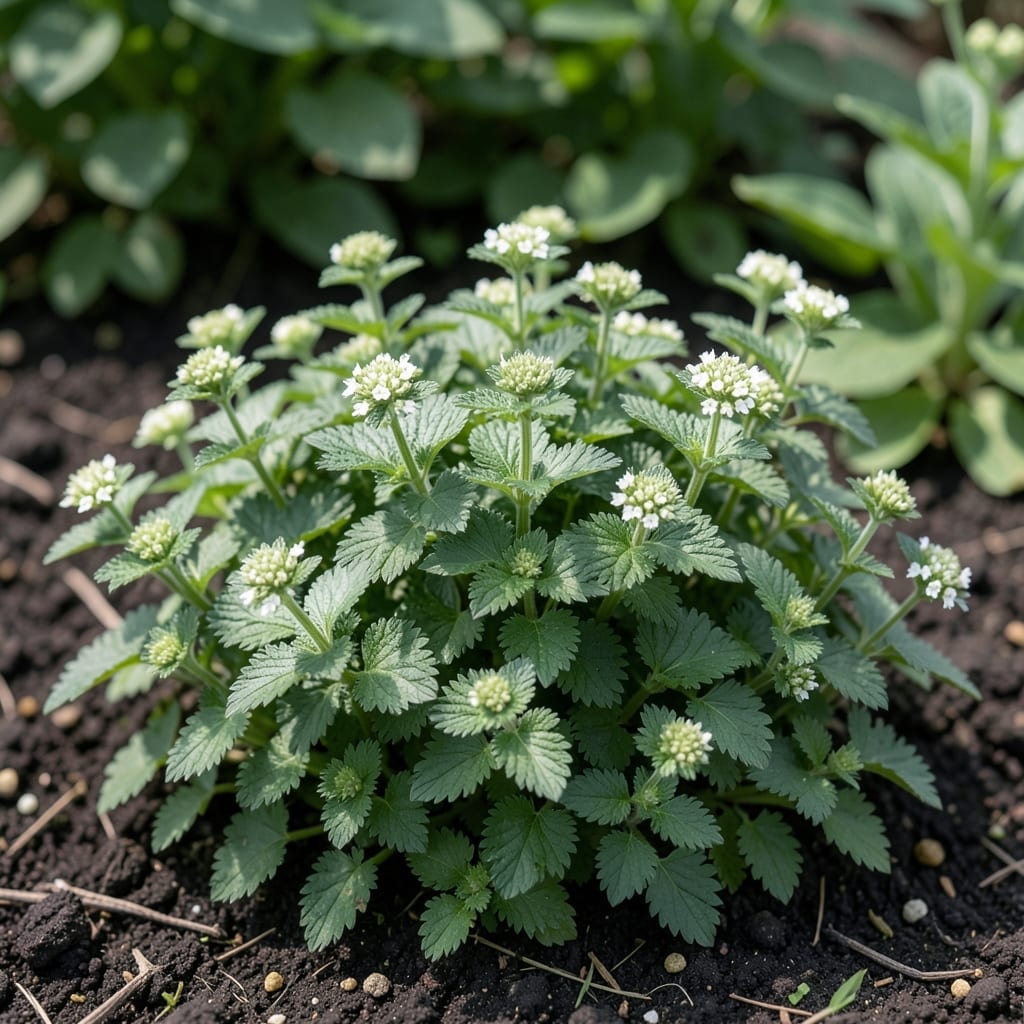
Goutweed sneaks into gardens like an uninvited guest. My first encounter was a white-flowered ground cover that looked innocent—until it spread 20 feet in one season, choking out everything else.
This plant has scalloped leaves in groups of three, forming dense mats that block sunlight. It thrives in shade, which makes it especially tricky to spot early. I learned the hard way that ignoring it leads to years of regret.
Removal isn’t about pulling—it’s about persistence. The roots break easily, leaving pieces behind that regrow. A sharpened spade and repeated digging sessions are your best defense.
Fair warning: this battle takes multiple seasons. But with the right approach, you’ll reclaim your garden space one patch at a time.
Gout weed, also known as Ageratum houstonianum, thrives in gardens and wild spaces due to a mix of environmental and human-driven factors. Understanding why it spreads helps you take targeted action.
Each gout weed plant can produce thousands of seeds in a single season, which scatter easily via wind, water, or human activity. These seeds remain viable in the soil for years, germinating when conditions are right—warmth, moisture, and sunlight.
Construction, gardening, or even foot traffic can disturb the soil, creating perfect openings for gout weed seeds to take root. Bare or freshly turned soil lacks competition, giving this invasive plant a head start.
Unintentionally, humans spread gout weed through contaminated tools, shoes, or compost. Even purchased mulch or soil can harbor seeds, introducing the plant to new areas without notice.
In thin lawns or sparse gardens, gout weed faces little resistance. Native plants or dense ground covers can outcompete it, but when these are absent, gout weed fills the gap aggressively.
If you’ve spotted gout weed in your garden or yard, don’t panic—here’s how to tackle it effectively and prevent it from coming back. Below are practical solutions for common scenarios, along with tips to keep your outdoor space weed-free.
If the gout weed is limited to a small area, hand-pulling is the simplest method. Grab the base of the plant and pull upward, ensuring you remove the roots to prevent regrowth. Wear gloves to protect your hands, and dispose of the plants in a sealed bag to avoid spreading seeds.
For widespread gout weed, a selective herbicide (like 2,4-D) can target the weed without harming grass. Apply on a calm day to avoid drift, and follow the product instructions carefully. For organic options, vinegar-based sprays can work, but may require repeated applications.
Mulching is a great preventive measure. Spread a thick layer (2-3 inches) of mulch around plants and garden beds to block sunlight and suppress gout weed seeds. Organic mulches like wood chips also improve soil health over time.
Consistency is key—stay vigilant, and you’ll keep gout weed at bay!
It has clusters of small white flowers and groups of three scalloped leaves. The plants form dense mats that spread quickly across garden beds. Photos typically show its invasive nature clearly.
Its roots break easily when pulled, leaving pieces behind that regrow. A sharpened spade helps remove more of the root system. Persistence over multiple seasons is often needed.
Yes! Thick mulch layers block sunlight to seeds. Vinegar sprays work but may require repeated applications. Regular hand-pulling of new growth prevents spreading.