
Beautiful Plants For Your Interior
Beautiful Plants For Your Interior
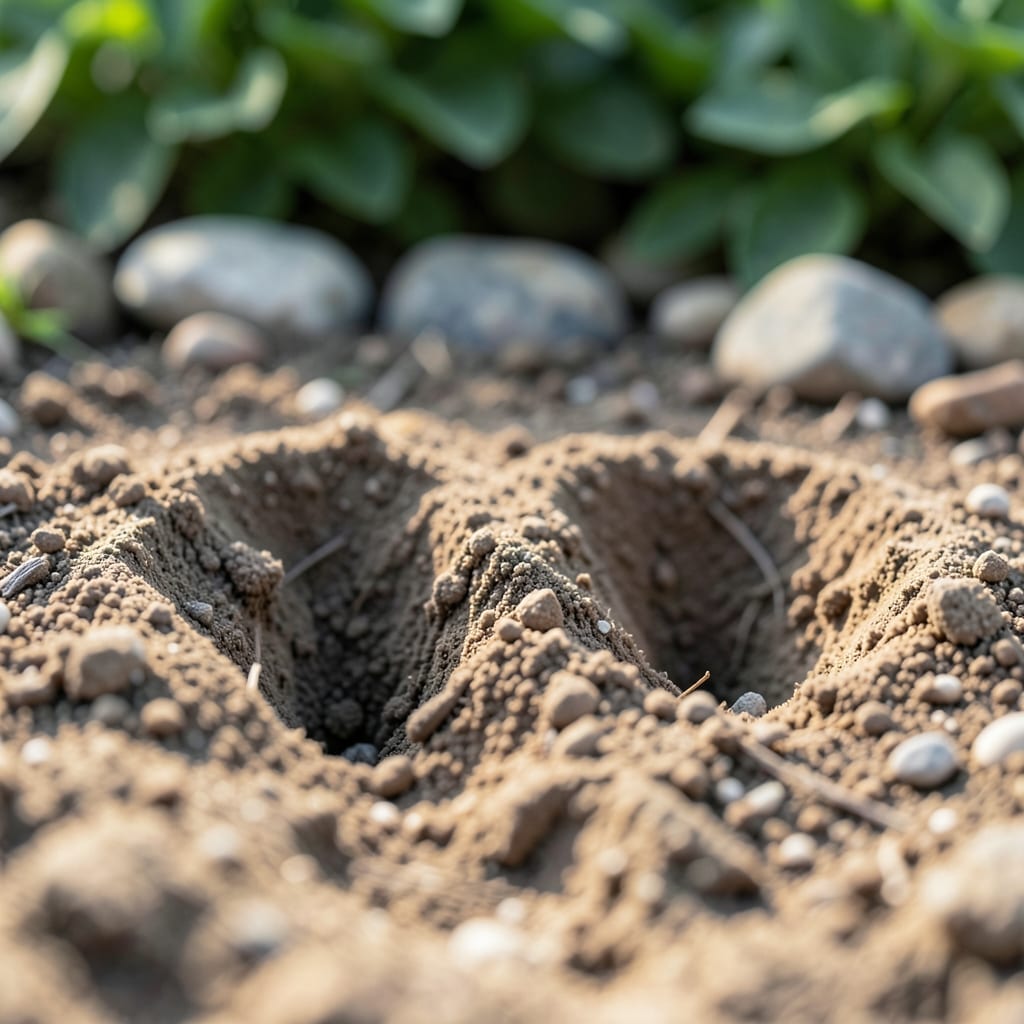
I found my first gopher snake hole last spring, right where my tomato bed should have been. The damage looked worse than it was—mostly just empty tunnels and a few disturbed plants.
These snakes follow gopher trails, not to harm your garden but to hunt their prey. The holes are wider than gopher tunnels, often 4-6 inches across, with no dirt mounds nearby.
Non-lethal traps work best at dawn or dusk when they’re active. A simple minnow trap baited with a live mouse or frog does the trick every time.
Relocate them at least 2 miles away to prevent their return. Your garden stays intact, and the snake gets a new hunting ground.
Gopher snakes, like many burrowing reptiles, create holes for essential survival needs. Understanding the causes helps gardeners address the issue effectively.
Gopher snakes dig burrows to escape extreme temperatures. In hot climates, they retreat underground to stay cool, while in colder regions, these holes provide warmth. The stable underground environment helps them maintain optimal body temperature, which is critical for their metabolism and activity levels.
These holes serve as safe havens from predators like coyotes, hawks, and raccoons. Gopher snakes are non-aggressive and rely on hiding rather than confronting threats. A well-hidden burrow reduces their vulnerability, especially during shedding or molting periods when they are more exposed.
Gopher snakes often repurpose abandoned rodent burrows, such as those made by gophers or mice, to hunt prey. These tunnels provide direct access to food sources like small mammals, birds, and eggs. By inhabiting existing holes, they conserve energy while maximizing their hunting efficiency.
Female gopher snakes may dig or use burrows to lay eggs. These underground nests offer a stable, humid environment ideal for incubation. Protecting their offspring from surface-level threats ensures higher survival rates for the next generation.
Dealing with gopher snake holes in your garden doesn’t have to be a hassle. Here’s how to tackle the problem safely and effectively, with prevention tips to keep them from returning.
If you spot fresh holes or disturbed soil, start by filling them in with dirt and pressing it down firmly. To discourage snakes from re-digging, place heavy rocks or paving stones over the area. For larger gaps, consider installing hardware cloth (1/4-inch mesh) a foot underground to block further digging.
If you’ve confirmed a gopher snake is using the hole, relocate it safely. Use a long-handled snake hook or tongs to gently guide it into a sturdy, ventilated container (like a pillowcase or bucket with holes). Release it at least 1-2 miles away in a natural, brushy area—not another backyard. Never handle it bare-handed, as even non-venomous snakes can bite when stressed.
Gopher snakes follow their prey (mice, voles, and gophers) into yards. Eliminate rodent attractants by sealing trash cans, removing bird feeders, and clearing brush piles. Set humane traps for rodents to reduce the snake’s food supply naturally.
With these steps, you can safely manage gopher snake holes while keeping your garden snake-free long-term. ✨
They usually range from 1-3 feet deep, depending on soil conditions and the snake’s size. Deeper burrows may occur in colder climates for winter protection.
Filling alone may not work if food sources remain. Combine with rodent control and vibration devices for best results. They’ll often seek easier hunting grounds elsewhere.
Snake holes are wider (4-6 inches) with no dirt mound. Gopher holes are smaller (2-3 inches) with visible soil piles. Look for smooth edges with snake holes.
Sprinkle flour around the entrance at dusk. Check for tracks in the morning. Active holes will show snake or prey movement patterns.