
Beautiful Plants For Your Interior
Beautiful Plants For Your Interior
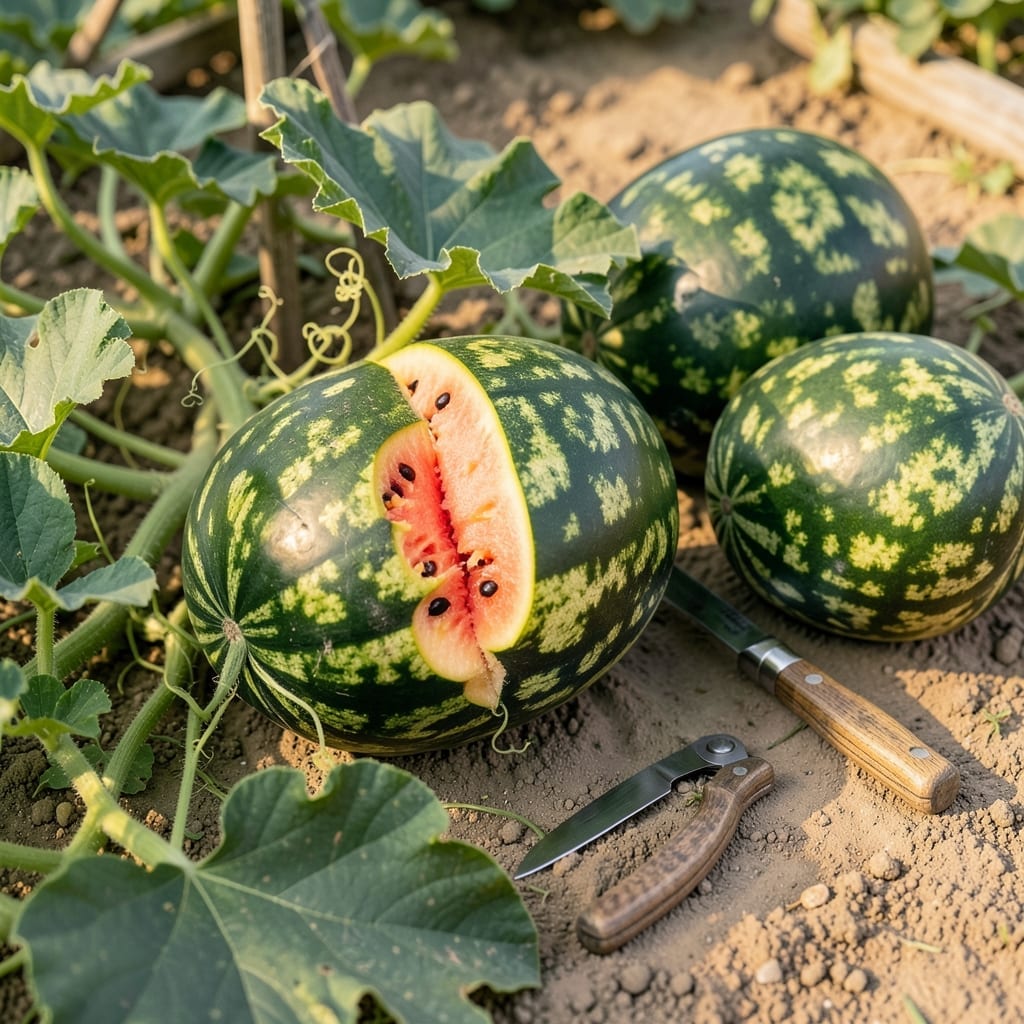
Nothing beats the disappointment of cutting into a lackluster watermelon, but knowing the field-tested signs of a perfectly ripe fruit can guarantee sweet success every time.
I’ve learned the hard way that visual and tactile cues make all the difference when harvesting 🍉. The right knowledge turns guesswork into confidence.
From the ground spot’s color to the hollow sound of a thump, these clues reveal when your watermelon is at peak ripeness. It’s all about timing and observation.
Let me walk you through the most reliable methods to ensure your next harvest is the juiciest yet. You’ll never settle for mediocre melons again.
Knowing when to pick a watermelon can feel like guesswork, but visual cues make it foolproof. I’ve relied on these signs for years to ensure every harvest is sweet and juicy.
The first clue is the ground spot, where the melon rests on the soil. This area should turn from white to a rich cream or yellow when ripe.
Another key indicator is the rind texture. A ripe watermelon will have a dull, almost matte appearance rather than a glossy shine. This change happens as the fruit stops growing.
I always check for webbing, a rough, net-like pattern on the skin. This unique feature often appears on the sweetest varieties and is a great sign of ripeness.
The stem condition is just as important. If the stem is still green and flexible, the melon isn’t ready. Wait until it turns brown and brittle for the best flavor.
Don’t overlook the size and shape. A fully ripe watermelon will feel heavy for its size and have a symmetrical, uniform shape. Smaller or misshapen fruits often lack sweetness.
Finally, observe the color intensity. For most varieties, a deep, consistent color across the rind is a strong indicator of ripeness. Pale or uneven coloring suggests it needs more time.
By combining these visual signs, you’ll never harvest an underripe watermelon again. It’s all about paying attention to the details your plants provide. 🌱
When visual signs aren’t enough, I turn to these field-tested methods to confirm ripeness. They’re simple but incredibly effective for avoiding underripe melons.
The classic thump test is my go-to. Tap the watermelon with your knuckles—a deep, hollow sound means it’s ripe, while a high-pitched noise means it needs more time.
The scratch test works because a ripe watermelon’s rind hardens. If your nail leaves a white streak, the fruit isn’t mature yet. This method is especially useful for beginners.
For the weight comparison, lift two similar-sized melons. The riper one will feel significantly heavier due to its higher water content. This trick is foolproof in my experience.
I also pay attention to the smell. A ripe watermelon often has a subtle, sweet fragrance at the stem end. If it smells fresh and slightly sweet, it’s ready to pick.
These tests, combined with visual cues, ensure you’ll never harvest an unripe watermelon again. Trust your senses—they’re the best tools in the garden. 🌿