
Beautiful Plants For Your Interior
Beautiful Plants For Your Interior
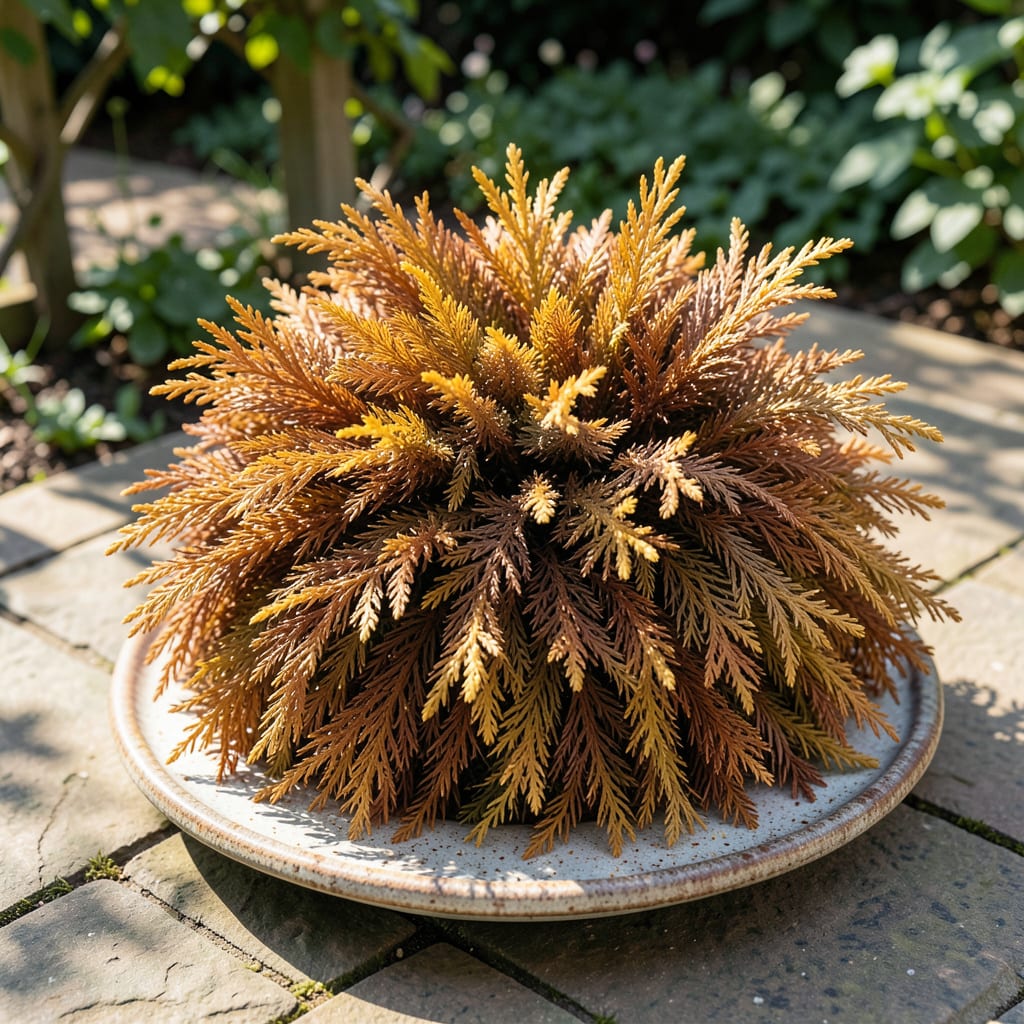
That sick feeling when your golden mop cypress loses its vibrant color hits hard. I’ve been there—watching bright yellow threads turn crispy brown overnight, wondering if I’d killed another plant.
Here’s the thing—this usually isn’t about bad luck. Most browning comes from 3 preventable issues: too much water, not enough, or a sneaky fungal infection taking advantage of stressed plants.
Once you spot the pattern (whole branches vs. just tips), the fix becomes obvious. My cypress bounced back within 2-3 weeks of adjusting care, and yours can too.
We’ll cover how to diagnose which problem you’re facing and the exact steps to nurse your plant back to its golden glory.
Your golden mop cypress (Chamaecyparis pisifera ‘Golden Mop’) may turn brown due to several stress factors. Below are the most common causes, explained with actionable insights.
The primary culprit is often root or foliar fungi, such as Phytophthora or Cercospora. These thrive in poorly drained soil or high humidity, blocking water and nutrient uptake. Brown patches appear as the foliage dies from the inside out.
Both overwatering and underwatering can trigger browning. Overwatering suffocates roots, while drought stress causes needle desiccation. Cypress prefer consistent moisture—not soggy or bone-dry conditions.
Excessive heat, wind, or winter burn can scorch foliage. Golden mop cypress thrive in partial sun; full exposure in harsh climates leads to sunscald. Salt spray (in coastal areas) also causes tip burn.
A lack of iron or manganese (common in alkaline soils) disrupts chlorophyll production, turning needles brown. Test soil pH—acidic conditions (5.5–6.5) help these evergreens absorb nutrients efficiently.
Spider mites, bagworms, or cypress bark beetles sap the plant’s vigor. Check for webbing, holes, or sawdust-like frass near the base. Infestations weaken the cypress, making it more susceptible to browning.
If your golden mop cypress is turning brown, don’t panic—there are clear fixes for each underlying cause. Below are targeted solutions, paired with prevention tips to keep your shrub vibrant and healthy.
Check the soil 2 inches deep. If it’s bone dry, water deeply until the root zone is moist but not soggy. If it’s waterlogged, improve drainage by amending the soil with compost or sand. Water only when the top inch feels dry.
Prevention: Mulch around the base to retain moisture, and use a moisture meter to avoid guesswork. 💡
Prune away brown, infected branches with sterilized shears (dip in rubbing alcohol between cuts). Apply a copper-based fungicide to the plant and surrounding soil. Remove fallen debris to eliminate fungal spores.
Prevention: Space plants for airflow, water at the base (not overhead), and avoid evening watering. ✨
If brown tips appear after extreme heat or cold, shield the plant with burlap in winter or provide afternoon shade in summer. Trim damaged foliage to redirect energy to healthy growth.
Prevention: Plant in a spot with consistent temperatures and partial sun. 🌡️
Use a balanced, slow-release fertilizer (10-10-10) in early spring. Avoid over-fertilizing, which can burn roots. Yellowing leaves may signal iron deficiency—apply chelated iron per package instructions.
Prevention: Test soil every 2–3 years and amend as needed. 🎯
Water when the top 1 inch of soil feels dry. Typically, this means 1-2 times per week in moderate weather. Adjust based on rainfall and temperature to maintain consistent moisture.
Prune infected branches with sterilized shears and apply a copper-based fungicide. Remove fallen debris to prevent spore spread and improve airflow around the plant.
Not usually! Shield the plant from extreme heat or cold with burlap or shade. Trim damaged foliage to redirect energy to healthy growth. Most plants recover within 2-3 weeks.
Test soil pH with a kit—ideal range is 5.5–6.5. If too alkaline, amend with sulfur or iron sulfate to help the cypress absorb nutrients efficiently.
