
Beautiful Plants For Your Interior
Beautiful Plants For Your Interior
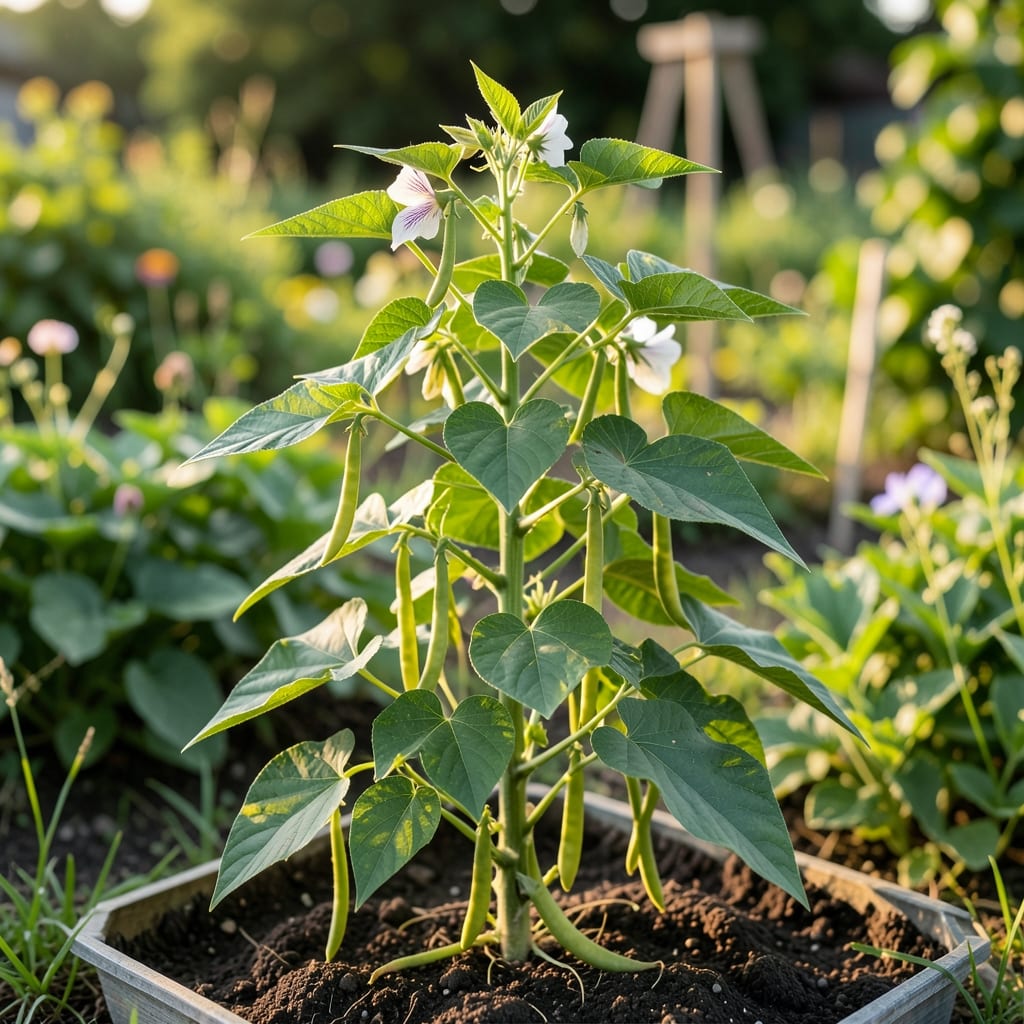
Gold Rush beans changed how I think about backyard gardening. These wax beans produce heavy yields in compact spaces, with pods that stay tender even when left on the vine too long.
They thrive in average soil with 6-8 hours of sun, and the plants resist most common bean diseases. You’ll get reliable harvests from midsummer until frost with minimal effort.
📚 In This Guide
Here’s my reliable method for growing these productive, golden-yellow beans with minimal fuss.
Choose a location with full sun exposure, as these beans thrive with at least 6-8 hours of direct sunlight daily. I always test the soil first—it should be well-draining and slightly acidic with a pH between 6.0 and 6.8. Work in a 2-3 inch layer of compost to improve fertility and structure.
Loosen the soil to a depth of about 12 inches to encourage strong root development. Remove any weeds or debris that might compete with your plants. Here’s the thing—beans don’t like nitrogen-heavy soil, so avoid fresh manure or high-nitrogen fertilizers at planting time.
Sow seeds directly into the garden after the last frost when soil temperatures reach at least 60°F. Plant them 1 inch deep and 2-3 inches apart in rows spaced 18-24 inches apart. I like to soak the seeds overnight in lukewarm water to speed up germination.
Cover lightly with soil and water gently but thoroughly. You’ll see sprouts emerge in 7-10 days under ideal conditions. If your soil is still cool, germination may take a few extra days—don’t panic, they’ll come up when ready.
Keep the soil evenly moist but not waterlogged during germination and early growth. Once plants are established, water deeply 1-2 times per week, depending on rainfall. The key is consistency—beans develop shallow roots, so dry soil at the surface is your signal to water.
I water at the base of the plants to keep foliage dry, which prevents disease. Mulching with 1-2 inches of organic material helps retain moisture and suppresses weeds. Watch for leaves that wilt in the afternoon heat—that’s normal, but if they’re still wilted in the morning, you need to water more.
Gold Rush beans are bush types, so they don’t require trellising, but they benefit from support in windy areas. Install low stakes or a tomato cage if needed. Fertilize lightly with a balanced 10-10-10 fertilizer when plants begin to bloom, but avoid over-fertilizing—this can lead to leafy growth at the expense of pods.
Keep an eye out for pests like Mexican bean beetles. I handpick them early in the morning when they’re sluggish. The plants will start producing pods in 50-55 days, and harvest continues for about 3 weeks if you pick regularly.
Pick pods when they’re 4-6 inches long and still smooth—they should snap easily from the vine. Harvest every 2-3 days to encourage continued production. I use two hands to avoid damaging the plant: one to hold the vine, one to pick the pod.
For the best flavor and tenderness, harvest in the morning when pods are plump. If you leave them too long, they’ll become tough and stringy. These beans are at their peak when the seeds inside are just beginning to swell but haven’t fully developed yet.
These practical insights will help you grow healthy, productive plants with ease.
Sunlight Essential: In Step 1, ensure your planting site truly gets those 6-8 hours of direct sunlight daily. I learned the hard way that even partial shade can significantly reduce your harvest. If your garden has shady spots, save those for other crops.
Soil Preparation: When loosening the soil to 12 inches deep in Step 1, take your time with this. The deeper the roots can grow, the more resilient your plants will be during dry spells. Don’t rush this step—it’s the foundation for everything else.
Planting Depth Matters: In Step 2, planting seeds exactly 1 inch deep is crucial. Plant too shallow and they may dry out, too deep and they’ll struggle to emerge. The overnight soaking trick really does speed up germination, getting those first sprouts in 7-10 days.
Watering Wisdom: For Step 3, that 1-2 times per week watering schedule works best when you water deeply each time. Shallow watering encourages shallow roots, which makes plants more vulnerable to drought. And remember, wilted leaves in the afternoon are normal, but morning wilting means you need to water.
Look for yellowing leaves, brown spots, or stunted growth. Early signs include wilting or unusual leaf discoloration. Act quickly to prevent spread.
Plant in warm soil (above 60°F) and avoid overly wet conditions. Late spring is ideal in most regions to reduce fungal risks.
Yes! Try ‘Provider’ or ‘Blue Lake‘ varieties, which resist common bean diseases like rust and mosaic virus while offering similar yields.
Remove infected plants, improve airflow, and apply copper-based fungicides. Rotate crops yearly to prevent recurrence.
Check for poor pollination, nutrient deficiencies (especially nitrogen), or overwatering. Ensure bees visit flowers and soil is well-drained.