
Beautiful Plants For Your Interior
Beautiful Plants For Your Interior
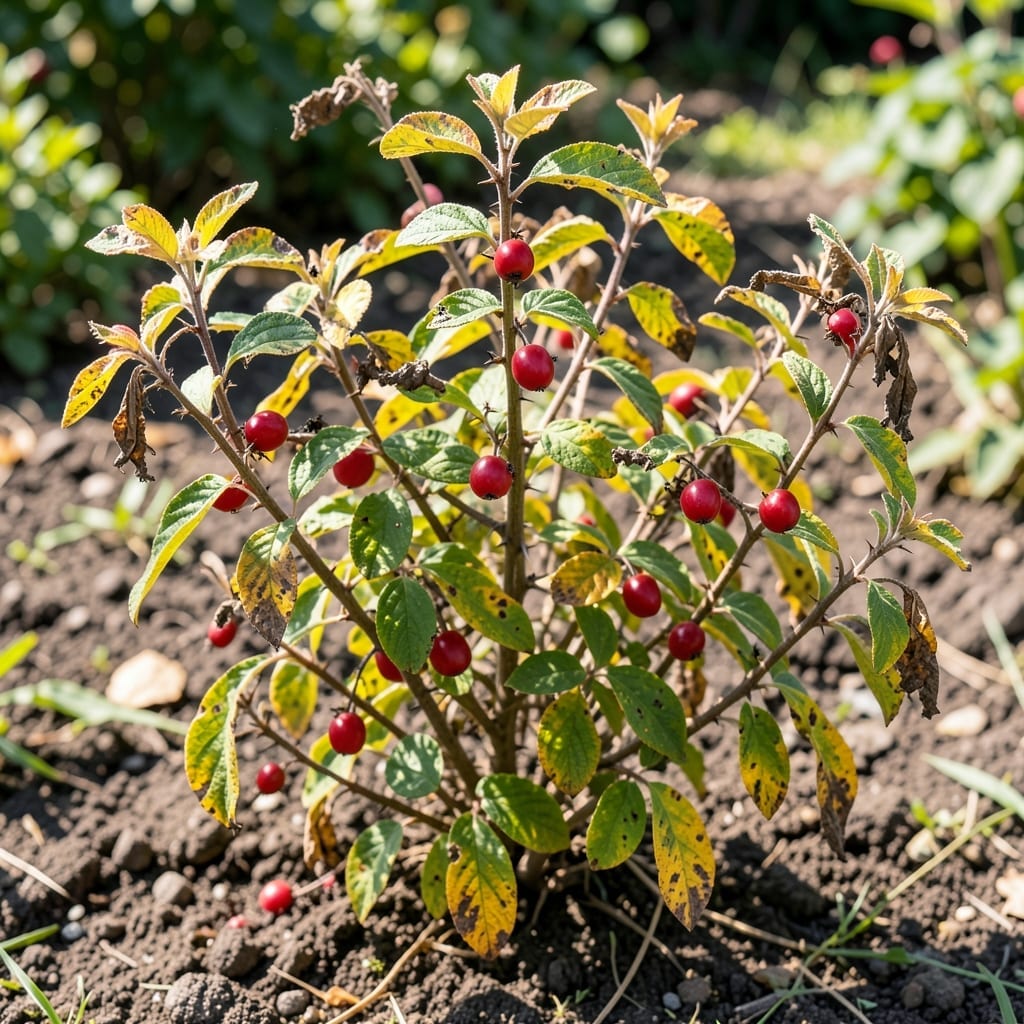
My goji berries looked healthy last week, then suddenly didn’t. 🌱 Turns out these plants are tough but not invincible—yellow leaves, stunted growth, or berry drop usually mean something’s off with water, soil, or pests.
I’ve seen aphids, powdery mildew, and nutrient shortages take down goji bushes fast. The good news? Most issues are fixable once you spot the early signs. A little detective work saves your harvest.
What you’ll get here are clear symptoms to watch for and simple fixes that work. No guesswork, just practical steps to nurse your plants back to their productive, vibrant green best.
Works for container or in-ground goji bushes, whether you’re new to this or have been growing for years.
Goji berry plants, while hardy, can face several problems due to environmental, biological, or cultural factors. Understanding the root causes helps in preventing and addressing these issues effectively.
Goji berries thrive in USDA zones 5-9 but struggle with sudden temperature swings. Frost damage occurs below 15°F (-9°C), causing leaf blackening and stem dieback. Conversely, heat stress above 90°F (32°C) leads to wilting and reduced fruiting. The plant’s photosynthetic efficiency drops under thermal stress, weakening its immune response.
Both overwatering and underwatering disrupt nutrient uptake. Soggy soil suffocates roots, promoting Phytophthora root rot, while drought stress triggers xylem cavitation, where air bubbles block water transport. Goji berries prefer well-draining soil with consistent moisture—1-2 inches of water per week is ideal.
Aphids, spider mites, and powdery mildew (Oidium spp.) are common culprits. Aphids secrete honeydew, fostering sooty mold, while mites cause stippling on leaves. Powdery mildew thrives in high humidity (70%+) and poor air circulation, coating leaves in white fungal growth. Preventative neem oil sprays can deter early infestations.
Yellowing leaves (chlorosis) often signal nitrogen or iron deficiency. Nitrogen supports foliage growth, while iron is critical for chlorophyll production. A soil pH above 7.5 locks out iron, even if present. Conduct a soil test and amend with chelated iron or organic compost to restore balance.
Goji berry plants can face several challenges, but most are fixable with the right approach. Below are practical solutions for common problems, along with prevention tips to keep your plant thriving.
Cause: Overwatering or nutrient deficiency.
Fix: Check soil moisture—let the top inch dry before watering. If the issue persists, use a balanced fertilizer (10-10-10) to replenish nutrients. Prune affected leaves to redirect energy.
Prevention: Water only when the soil feels dry and fertilize every 4-6 weeks during the growing season. 💡
Cause: Aphids, spider mites, or whiteflies.
Fix: Spray plants with neem oil or insecticidal soap, focusing on the undersides of leaves. For severe cases, introduce beneficial insects like ladybugs.
Prevention: Inspect plants regularly and keep the garden clean to deter pests. ✨
Cause: Poor soil quality or insufficient sunlight.
Fix: Amend the soil with compost or organic matter. Ensure the plant gets at least 6-8 hours of sunlight daily. If growing indoors, use a grow light.
Prevention: Test soil pH (6.0-7.0 is ideal) and rotate pots for even light exposure. 🌡️
Cause: High humidity or poor air circulation.
Fix: Remove infected parts and apply a copper-based fungicide. Space plants to improve airflow.
Prevention: Avoid overhead watering and prune dense foliage. 🎯
With these fixes, your goji berry plant will bounce back in no time!
Yellow leaves often signal overwatering or a nitrogen deficiency. Check soil moisture and let the top 1 inch dry between waterings. Use a balanced 10-10-10 fertilizer if needed.
Spray with neem oil or insecticidal soap, targeting leaf undersides. For severe cases, introduce ladybugs. Regular inspections and garden cleanliness prevent future infestations.
They thrive in USDA zones 5-9 but need protection below 15°F (-9°C). Use mulch or row covers in winter to prevent frost damage.
Improve airflow by spacing plants and pruning dense foliage. Avoid overhead watering and apply copper-based fungicide at first signs of trouble.