
Beautiful Plants For Your Interior
Beautiful Plants For Your Interior
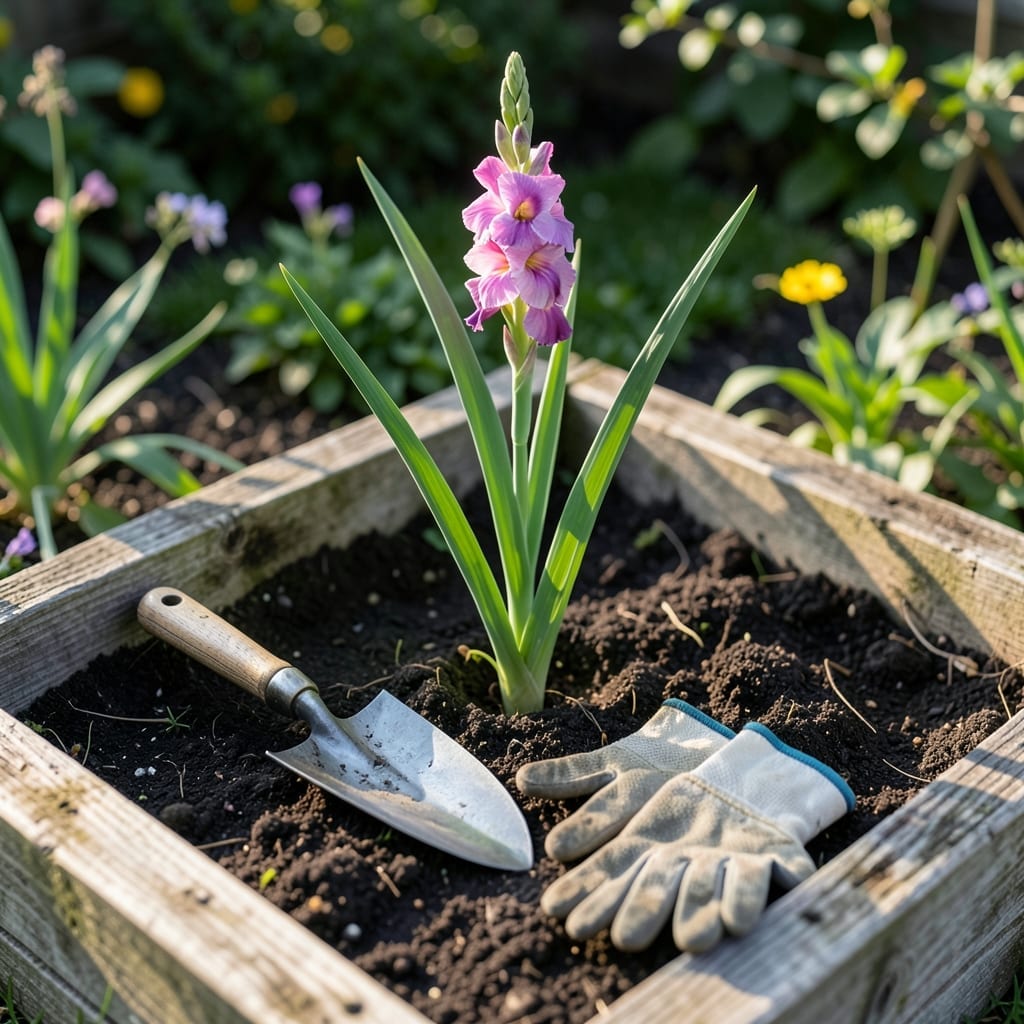
Timing your gladiolus planting perfectly can mean the difference between a lackluster garden and a vibrant display of towering, colorful blooms. The 🌸 Gladiolus thrives when planted at the right moment.
These striking perennials reward gardeners with weeks of stunning flowers when timing aligns with nature’s rhythm. Getting it right ensures spectacular results every time.
I’ll share the key insights about seasonal planting that most gardeners overlook. From soil preparation to frost considerations, you’ll learn how to set your garden up for success.
Whether you’re in zone 6 or adjusting for your local climate, these timing tips will help you achieve the most vibrant gladiolus display possible.

Timing is everything when it comes to gladiolus planting season. These stunning flowers need the right conditions to thrive, and planting at the optimal time ensures a vibrant, long-lasting display. I always recommend spring planting for most regions.
In USDA zones 6-7, aim to plant gladiolus corms about 2 weeks after the last frost date. This usually falls between mid-March and mid-April, when soil temperatures reach 55-60°F. Warmer zones can plant earlier.
| Gladiolus Planting Guide | |
| Requirement | Specification |
| Ideal Soil Temp | 55-60°F |
| Planting Depth | 4-6 inches |
| Spacing | 6 inches apart |
| Sunlight Needs | Full sun |
| Bloom Time | 70-90 days after planting |
For succession planting, I plant a new batch of corms every 2 weeks until early summer. This staggered approach gives me continuous blooms from July through September. It’s like having a fresh flower show every few weeks!
In colder climates (zones 3-5), wait until all danger of frost has passed. Gladiolus corms won’t tolerate freezing temperatures, so planting too early can ruin your efforts. I’ve learned this the hard way after losing a few batches to late frosts.
For warmer regions (zones 8-10), you can plant as early as February or March. These areas have milder winters, allowing for an earlier start. Just be mindful of extreme heat in summer, which can stress the plants.
Soil preparation is key. I always amend my beds with compost before planting. Well-draining soil prevents rot, which is crucial since gladiolus corms are prone to decay in soggy conditions. A sandy loam works best.
Remember that gladiolus plants love full sun. Choose a spot that gets at least 6-8 hours of direct sunlight daily. In my experience, the more sun they get, the taller and stronger the flower spikes become.
Watering is another critical factor. After planting, I give my corms a deep watering to settle the soil. Then, I maintain consistent moisture without overwatering. 1 inch per week is a good rule of thumb.
With these timing tips and care strategies, you’ll be rewarded with spectacular gladiolus blooms that make your garden the envy of the neighborhood. 🌸
I’ve found that gladiolus planting season varies dramatically by climate. In cold climates like USDA Zone 6, wait until after the last frost, typically mid-April, when soil warms to 60°F. This timing ensures corms won’t rot in cold earth.
For temperate zones like Zone 7-8, you can plant 2-3 weeks earlier. The milder winters allow for early March planting, giving you a head start on those stunning summer blooms.
| Climate | Planting Time | Key Consideration |
|---|---|---|
| Cold (Zone 6) | Mid-April | Avoid frost risk |
| Temperate (Zone 7-8) | Early March | Soil warms faster |
| Warm (Zone 9-10) | February | Watch for heat stress |
In warm climates like Zone 9-10, February planting works well. However, I always remind gardeners to mulch heavily to protect corms from intense summer heat that can scorch them.
If you’re in an area with unpredictable frosts, I recommend succession planting. Start with a small batch in early spring, then add more corms every 2 weeks until early summer. This staggered approach gives you continuous blooms.
For those in extremely hot regions, consider partial shade during peak afternoon. I’ve seen gladiolus thrive with just 4-6 hours of morning sun, especially in desert-like conditions.
Remember, soil drainage is crucial in all climates. I always amend heavy soils with compost or sand to prevent corm rot, which can ruin your entire planting season.
With these zone-specific strategies, you’ll maximize your gladiolus display regardless of where you garden 🌷