
Beautiful Plants For Your Interior
Beautiful Plants For Your Interior
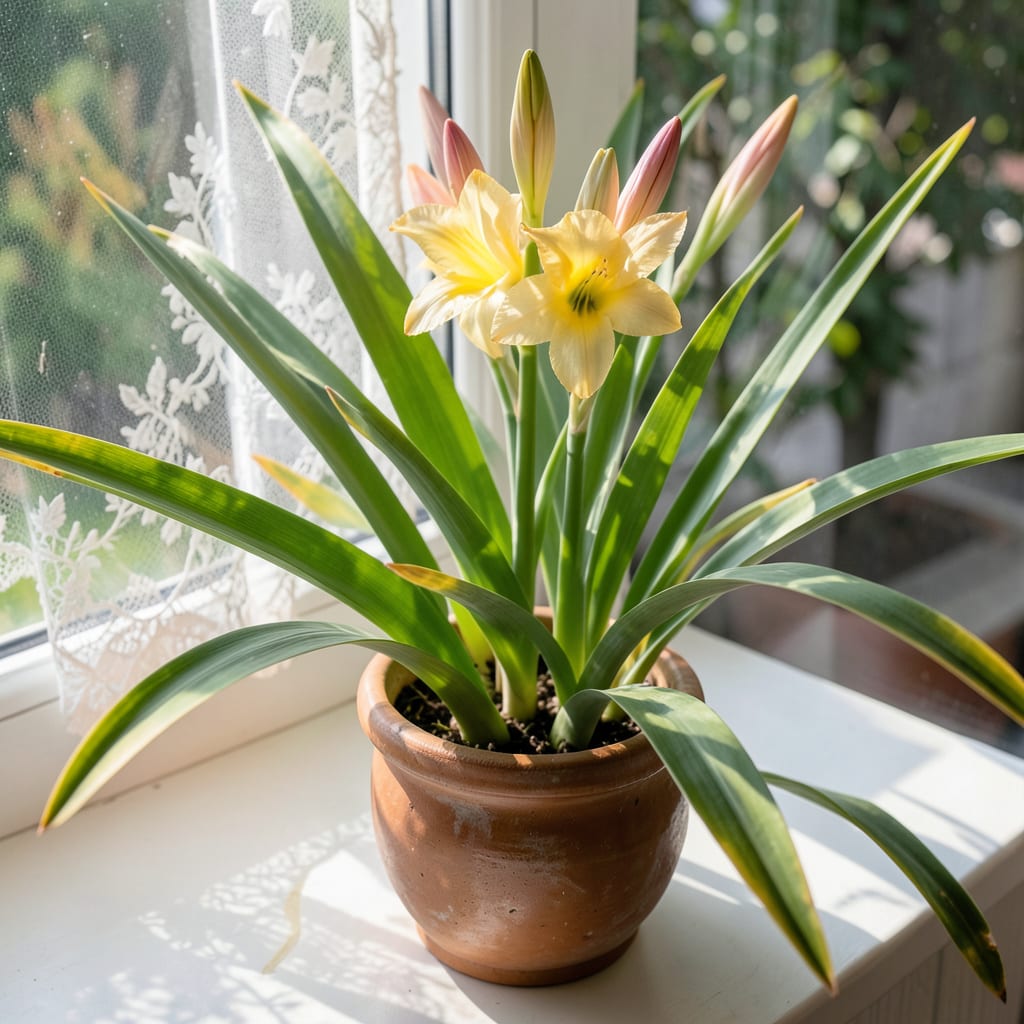
Nothing ruins a vibrant gladiolus display like leaves turning yellow. I’ve seen this happen in my own garden, and it usually comes down to one of two culprits: watering habits or nutrient issues.
Overwatering drowns the roots, while underwatering leaves them parched. Both stress the plant, and yellow leaves are its way of waving a white flag. Nutrient deficiencies, especially nitrogen or magnesium, can also trigger the same symptom.
The good news? This is fixable. Adjust your watering schedule, check soil moisture 2 inches down, and consider a balanced fertilizer. Most gladioli bounce back within a week or two once the issue is addressed.
Prevention is simpler than cure. Consistent care and a little attention to detail keep those leaves green and thriving all season long.
Gladiolus leaves turn yellow due to several underlying factors, often tied to environmental stress or care mistakes. Here are the most common causes:
Yellowing often signals a lack of essential nutrients, particularly nitrogen or magnesium. Nitrogen deficiency starts with older leaves turning pale yellow, while magnesium shortage causes yellowing between leaf veins. A soil test can confirm imbalances—amend with a balanced fertilizer (10-10-10) or Epsom salt for magnesium.
Gladioli hate soggy roots. Overwatering or compacted soil suffocates roots, blocking oxygen uptake and causing leaf yellowing. Check soil moisture 2 inches down—if it’s waterlogged, reduce watering and improve drainage with perlite or sand. Raised beds can help in heavy clay soils.
Dry, crispy yellow leaves may indicate drought stress. Gladioli need consistent moisture, especially during flowering. Mulch around plants to retain moisture, and water deeply at the base (not overhead) to prevent fungal issues. In extreme heat, afternoon shade can reduce stress.
Pathogens like Fusarium or Rust cause yellow spots or streaks, often with brown edges. These thrive in wet foliage or crowded plantings. Remove infected leaves immediately, avoid overhead watering, and apply a copper-based fungicide preventatively. Rotate planting sites yearly to break disease cycles.
Sap-sucking pests like aphids or thrips weaken plants, leading to yellowing. Inspect leaf undersides for tiny insects or sticky residue (honeydew). Blast pests off with water or treat with neem oil or insecticidal soap. Encourage ladybugs as natural predators.
Here’s how to tackle each common cause of yellowing gladiolus leaves with simple, actionable fixes:
Fix: Stop watering immediately and let the soil dry out. If the soil stays soggy, repot the plant in well-draining soil or add perlite to improve drainage. Ensure pots have drainage holes.
Prevention: Water only when the top 1-2 inches of soil are dry. Use a moisture meter to avoid guesswork. 💡 Pro tip: Gladioli prefer slightly dry soil over soggy conditions.
Fix: Apply a balanced, slow-release fertilizer (10-10-10) to address general deficiencies. For nitrogen-specific issues (pale yellow leaves), use a high-nitrogen fertilizer. For magnesium (yellow patches between veins), add Epsom salt (1 tablespoon per gallon of water) as a foliar spray.
Prevention: Feed gladioli every 4-6 weeks during the growing season. Test soil annually to monitor nutrient levels.
Fix: Move potted gladioli to a spot with 6-8 hours of morning sun and afternoon shade. In gardens, use shade cloth to filter intense light. For insufficient light, relocate to a sunnier area or trim nearby plants blocking sunlight.
Prevention: Plant gladioli in a location with dappled sunlight. Monitor leaves for sunburn (brown tips) or etiolation (weak, leggy growth).
Fix: Spray leaves with insecticidal soap or neem oil to combat aphids, spider mites, or thrips. For severe cases, remove heavily infested leaves and treat the plant weekly until pests are gone.
Prevention: Inspect plants regularly, especially the undersides of leaves. Encourage natural predators like ladybugs by avoiding broad-spectrum pesticides. ✨ Keep the garden clean to deter pests.
Fix: Remove and destroy infected leaves to prevent spread. Treat with a copper-based fungicide or bactericide, following label instructions. Improve air circulation around plants by spacing them properly.
Prevention: Avoid overhead watering—use a soaker hose instead. Water in the early morning so leaves dry quickly. Rotate crops annually to reduce disease buildup in the soil.
Water deeply once or twice a week, allowing the top 1-2 inches of soil to dry between waterings. Overwatering is a common cause of yellow leaves, so always check soil moisture first.
Once leaves turn yellow due to nutrient deficiency or stress, they typically won’t regain their green color. Focus on correcting the issue to prevent further yellowing and support new healthy growth.
Use a balanced 10-10-10 fertilizer for general deficiencies. For magnesium-related yellowing, apply Epsom salt as a foliar spray (1 tablespoon per gallon of water).
Yes, prune yellow or diseased leaves immediately to prevent the spread of pests or diseases. Use clean shears and dispose of the leaves away from your garden.
