
Beautiful Plants For Your Interior
Beautiful Plants For Your Interior
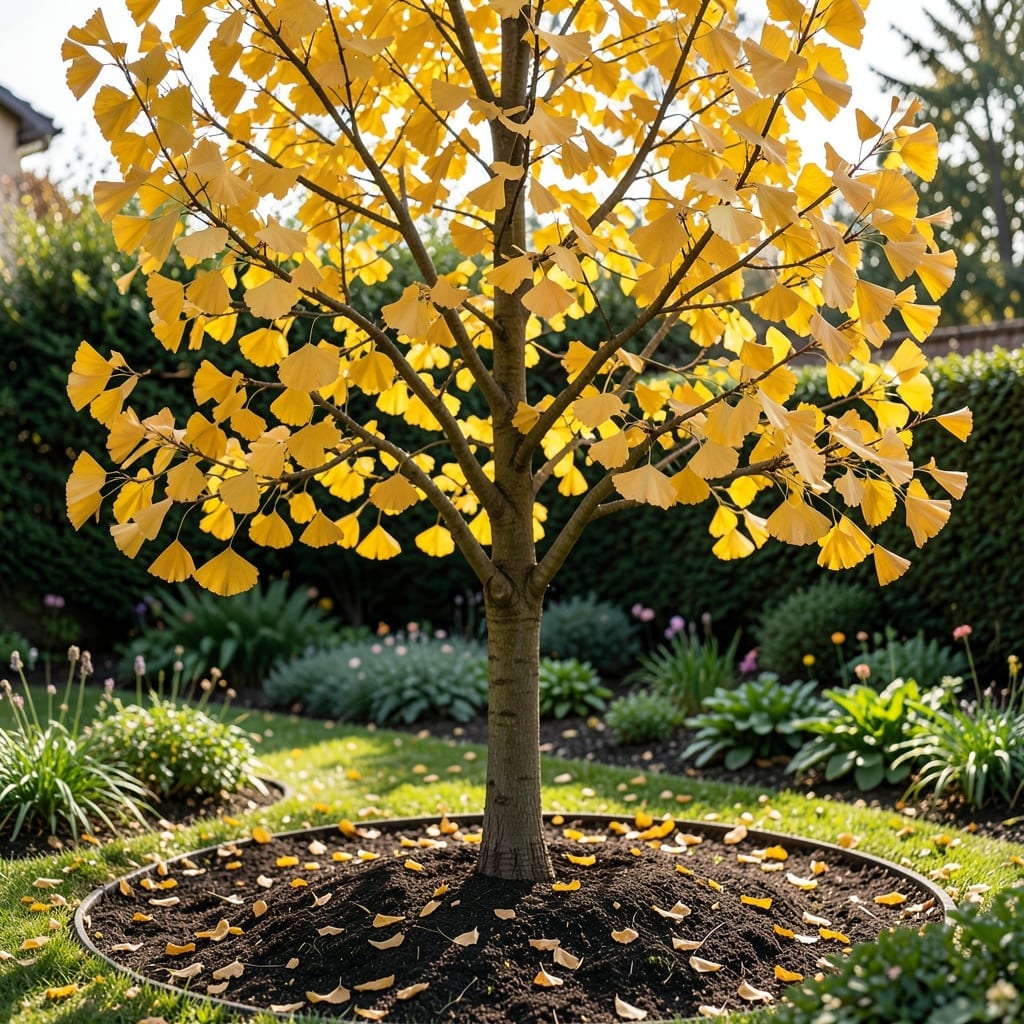
Those golden ginkgo leaves might be nature’s autumn masterpiece—or a cry for help. I’ve seen both in my own yard, and the difference comes down to timing and pattern.
Fall color is normal, but yellowing in spring or summer often signals trouble. Overwatering, poor drainage, or nutrient gaps show up first in the leaves. The fix usually starts with checking soil moisture and drainage.
Once you spot the pattern, solutions are straightforward. Adjust watering, test soil, or treat pests. Most ginkgos bounce back fast with the right care.
Prevention beats cure every time. Keep an eye on leaf color year-round, not just in autumn. Early action saves your tree from long-term stress.
Ginkgo biloba trees are known for their vibrant golden foliage, but when leaves turn yellow unexpectedly, it often signals an underlying issue. Below are the most common causes, explained with actionable insights.
Yellowing leaves, or chlorosis, often result from a lack of essential nutrients like nitrogen, iron, or magnesium. Nitrogen deficiency typically starts in older leaves, turning them uniformly pale yellow. Iron deficiency, however, causes interveinal chlorosis—yellowing between the veins while they stay green. Test your soil and amend it with a balanced fertilizer or iron chelates if needed.
Ginkgo trees prefer well-drained soil. Root rot from waterlogged conditions restricts nutrient uptake, leading to yellow, wilted leaves. Check drainage by digging a small test hole—if water pools for hours, improve soil structure with organic matter or consider raised beds.
Sap-sucking pests like aphids, scale insects, or spider mites drain the tree’s resources, causing yellowing and stunted growth. Inspect the undersides of leaves for tiny insects or webbing. Treat with insecticidal soap or neem oil for mild infestations.
Extreme temperatures, drought, or sudden frost can shock the tree, triggering premature yellowing. Ginkgos are hardy but may react to heatwaves or late spring frosts by shedding leaves early. Mulch around the base to regulate soil temperature and retain moisture.
If yellowing occurs in fall, it’s likely the tree’s normal seasonal transition. Ginkgos are deciduous, and their leaves turn golden before dropping—no action needed unless the timing seems off (e.g., mid-summer).
Yellow leaves on your ginkgo biloba can often be fixed with simple adjustments. Below are targeted solutions for common causes, along with prevention tips to keep your tree thriving.
If yellowing is due to nitrogen, iron, or magnesium shortages, apply a balanced fertilizer (10-10-10) or a soil amendment like chelated iron for iron deficiencies. Test your soil first to confirm the deficit.
Prevention: Fertilize in early spring and mulch with organic matter to retain nutrients.
Root rot from soggy soil causes yellowing. Stop watering immediately and check drainage. If the soil is waterlogged, repot or amend the area with sand or perlite to improve airflow. Trim any black, mushy roots.
Prevention: Water only when the top 2 inches of soil are dry, and ensure pots have drainage holes.
Too much direct sun can scorch leaves, while too little causes chlorosis (yellowing with green veins). Move potted ginkgos to partial shade or dappled sunlight. For in-ground trees, thin nearby foliage to allow filtered light.
Prevention: Plant ginkgos in a spot with morning sun and afternoon shade in hot climates.
Spider mites or aphids suck sap, leading to yellow spots. Spray leaves with neem oil or insecticidal soap weekly until pests are gone. For severe cases, use horticultural oil.
Prevention: Inspect leaves regularly and encourage beneficial insects like ladybugs.
Sudden cold snaps or heatwaves stress ginkgos. Protect young trees with frost cloth in winter or shade cloth in summer. Mature trees usually recover, but consistent stress weakens them.
Prevention: Plant ginkgos in USDA zones 4-9 and avoid exposed, windy locations.
💡 Pro Tip: Always rule out natural senescence—ginkgo leaves turn golden-yellow in fall before dropping, which is normal and beautiful!
No, seasonal yellowing in fall is perfectly normal. Ginkgo leaves naturally turn golden before dropping as part of their annual cycle.
Nutrient issues often show as yellowing between leaf veins. Overwatering causes uniform yellowing with wilting. Check soil moisture first.
Spray leaves with neem oil or insecticidal soap weekly until pests disappear. Focus on leaf undersides where they hide.
Yes, with proper care. Protect them from extreme temperatures and ensure consistent watering. Most bounce back within 2-3 weeks.