
Beautiful Plants For Your Interior
Beautiful Plants For Your Interior
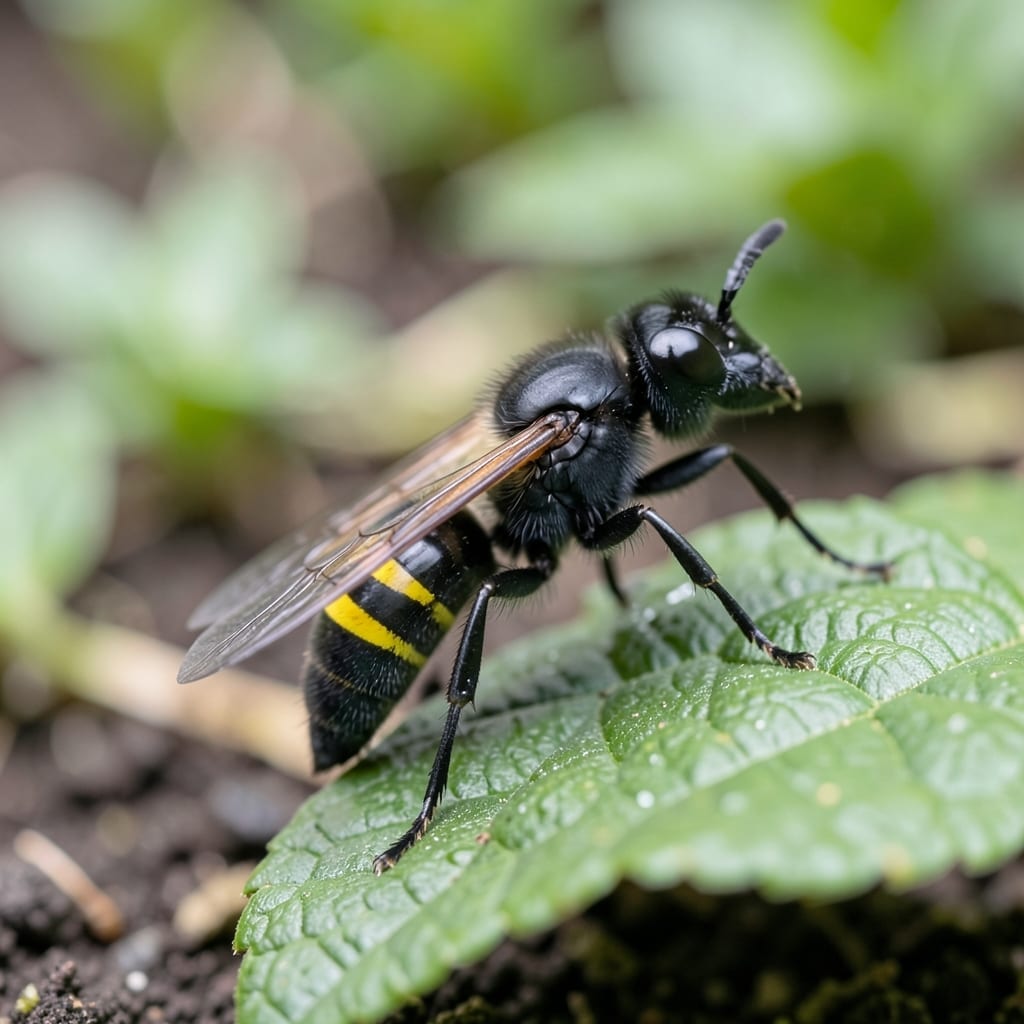
Wasps turned my summer picnic area into a no-go zone last year. The solution isn’t chemicals—it’s understanding their behavior and outsmarting them naturally. I learned the hard way that prevention beats reaction every time.
First step: locate the nest at dawn or dusk when they’re less active. A flashlight and careful observation reveal their entry points. Most nests can be removed with simple household items and a 20-minute window of opportunity.
Natural traps using sugar water and vinegar work shockingly well. The key is placing them far from your seating areas to avoid attracting more. Within 48 hours, you’ll notice a dramatic drop in activity.
Prevent future nests by sealing trash cans, removing food sources, and filling ground holes. A little maintenance now means a wasp-free yard all season long.
Understanding why wasps are drawn to your yard is the first step in addressing the problem. These insects aren’t just random visitors—they’re attracted by specific conditions that meet their survival needs. Below are the most common reasons wasps set up camp in your outdoor space.
Wasps are opportunistic feeders, and your yard might be offering an all-you-can-eat buffet. Sugary substances like fallen fruits, open soda cans, or even pet food left outside can lure them in. Additionally, protein-rich foods (e.g., meats from picnics or grills) attract wasps, especially in late summer when they’re feeding their larvae. Flowering plants with accessible nectar can also be a draw for certain species like paper wasps.
Wasps seek sheltered, dry locations to build their nests. Common spots include tree branches, eaves, sheds, or underground burrows. If your yard has untreated wood structures, dense shrubbery, or piles of debris, it creates perfect hiding spots for nests. Some species, like yellowjackets, prefer ground-nesting and will dig into loose soil or abandoned rodent burrows.
Like all living creatures, wasps need water to survive. Standing water sources—such as leaky faucets, birdbaths, or poorly drained areas—can attract them. Even damp wood or mulch provides moisture, making your yard a prime location. Reducing these water sources can make your property less appealing.
Wasps thrive in warm, protected environments. If your yard offers sunny spots with minimal wind (e.g., under decks or in thick foliage), it becomes an ideal habitat. Additionally, mild winters in some regions allow wasp colonies to survive longer, leading to larger populations the following season.
Dealing with wasps in your yard can be unsettling, but these practical solutions will help you reclaim your outdoor space safely and efficiently. Below, we break down the most common causes and their fixes, along with prevention tips to keep wasps from returning.
Wasps are drawn to uncovered food, sugary drinks, and fallen fruit. Fix: Always cover food and drinks when outdoors, and promptly clean up spills or fallen fruit from trees. Use sealed trash cans and avoid leaving pet food outside.
Prevention tip: 💡 Regularly inspect your yard for food debris, especially after gatherings or storms.
Wasps often build nests under eaves, in sheds, or inside wall voids. Fix: Seal cracks and gaps in structures with caulk or steel wool. For existing nests, use a wasp spray labeled for outdoor use, applying it at dusk or dawn when wasps are less active. Wear protective clothing and stand at a safe distance.
Prevention tip: ✨ Inspect your property in early spring for new nest construction and remove them before they grow.
Dense shrubs, tall grass, and piles of wood provide ideal shelter for wasps. Fix: Trim back overgrown plants, mow the lawn regularly, and remove woodpiles or debris. Keep compost bins sealed and away from seating areas.
Prevention tip: 🎯 Maintain a tidy yard to reduce hiding spots and discourage nesting.
Wasps need water to survive, and puddles or leaky faucets can attract them. Fix: Eliminate standing water by fixing leaks, emptying saucers under potted plants, and ensuring proper drainage in your yard.
Prevention tip: 🌡️ Regularly check for and address moisture issues, especially after rain.
For large or hard-to-reach nests, consider hiring a professional pest control service to ensure safe and thorough removal. Always prioritize safety—never attempt to swat or disturb wasps, as this can provoke aggressive behavior.
Early morning or late evening when wasps are least active. Dusk is ideal as temperatures drop and they return to the nest. Always wear protective clothing and work quickly.
Yes, a simple sugar water and vinegar trap can catch dozens in 24-48 hours. Place traps 20+ feet from your home to avoid attracting more. Check and empty them daily.
Look for wasp traffic patterns at dawn or dusk with a flashlight. Follow their flight path to locate the nest. Common spots include under eaves, in shrubs, or underground.
It helps, but won’t eliminate an existing nest. Seal trash cans, clean up fallen fruit, and cover pet food. This prevents new wasps from being drawn to your yard.