
Beautiful Plants For Your Interior
Beautiful Plants For Your Interior
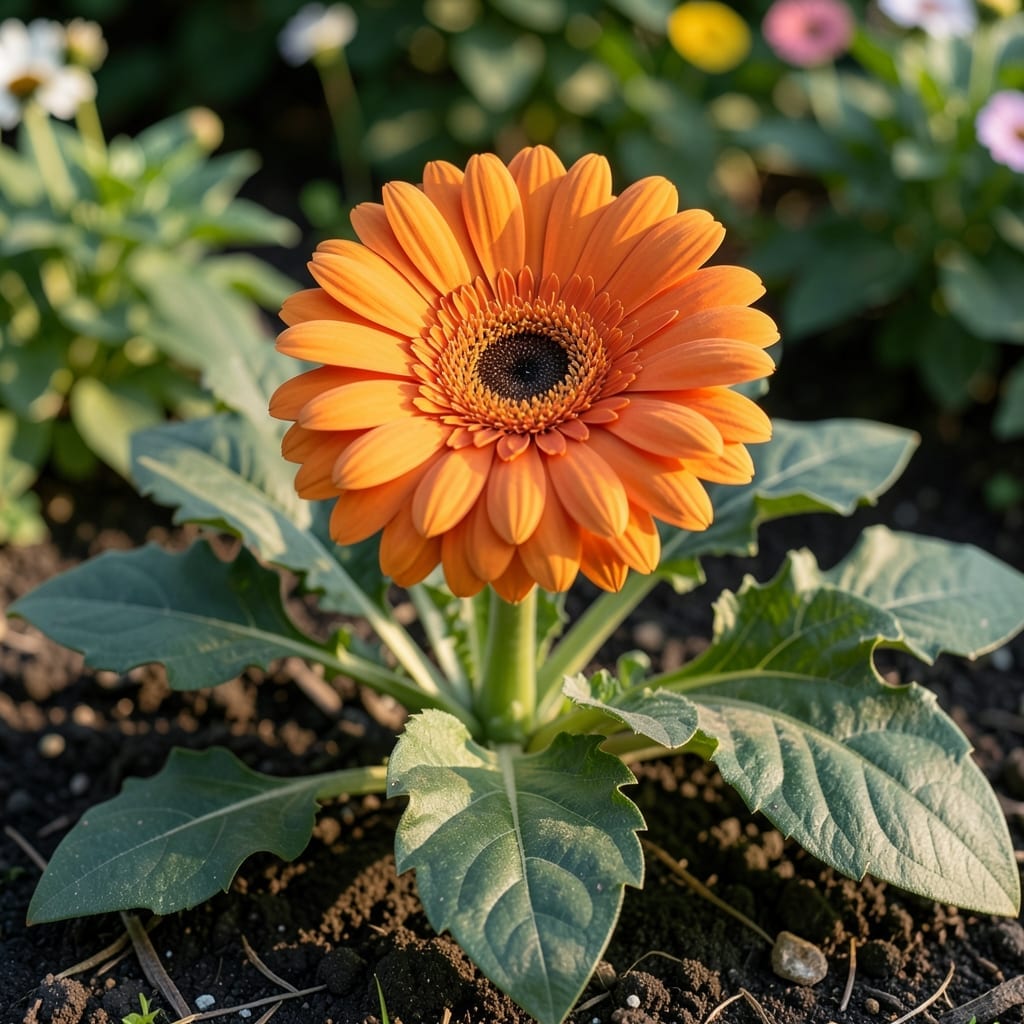
There’s something magical about watching Gerbera 🌼 daisies burst into color, transforming your garden into a vibrant canvas. But timing their blooms can feel like solving a puzzle.
I’ve learned that these cheerful flowers don’t follow a one-size-fits-all schedule. Their flowering period depends on where you live and how you care for them.
In zones 8-11, you can expect blooms from late spring through fall, with the peak happening during summer’s warmest months. The secret lies in understanding their natural rhythm.
Discover how to align your care routine with their blooming cycle for a garden that stays in color longer. Let’s make your Gerbera display the envy of the neighborhood.
If you’ve ever wondered when your gerbera daisies will burst into color, the answer depends largely on your climate zone. In tropical zones, these vibrant blooms can appear nearly year-round.
In subtropical areas, expect gerbera flowering time from early spring to late fall, with peaks in summer. Temperate climates see blooms mainly from late spring to early fall.
| Climate Zone | Primary Blooming Season | Peak Flowering |
|---|---|---|
| Tropical (Zone 10-11) | Year-round | Spring and Fall |
| Subtropical (Zone 9) | March to November | Summer months |
| Temperate (Zone 8) | May to September | June and July |
| Cool (Zone 7 and below) | June to August | Mid-summer |
I’ve found that daylight duration significantly impacts gerbera blooming. These plants thrive with 12-14 hours of light daily, which is why they flourish in summer.
In my garden, I notice gerberas in full sun often bloom 2-3 weeks earlier than those in partial shade. This light requirement explains their seasonal flowering patterns.
Temperature also plays a crucial role. Gerberas prefer 70-75°F for optimal blooming. In cooler zones, they may wait until soil temperatures reach at least 60°F.
For gardeners in zone 8, I recommend starting gerbera seeds indoors in late winter. This gives them a head start for early summer blooms.
In hotter climates, afternoon shade can prevent heat stress that might shorten flowering periods. I’ve seen gerberas wilt in extreme heat above 90°F.
Consistent watering is key during bud formation. I water my gerberas deeply 2-3 times weekly in summer, ensuring moist but well-drained soil. ☀️
Deadheading spent blooms encourages more flowers. I remove faded gerbera blooms weekly to stimulate new bud production throughout the season.
Remember, variety matters. Some gerbera cultivars are bred for earlier blooming or extended seasons. Check plant tags for specific expectations. 🌼
I love watching gerbera daisies burst into color, and with the right care, you can enjoy their vibrant blooms for months. The key is understanding how to prolong their flowering through simple gardening practices.
By focusing on deadheading, proper feeding, and water management, you can encourage your gerberas to bloom longer and more abundantly throughout the growing season.
I always remove faded flowers as soon as I notice them. This prevents the plant from wasting energy on seed production and encourages more blooms to form. It’s a simple task that makes a big difference in flowering duration.
For feeding, I use a balanced fertilizer every 4-6 weeks during the active growing season. This provides the essential nutrients gerberas need to produce continuous flowers.
Water management is crucial for extending bloom time. I water my gerberas at the base of the plant in the early morning. This allows the foliage to dry quickly, reducing the risk of fungal diseases that can shorten the flowering period.
Finally, ensure your gerberas get plenty of sunlight. These sun-loving plants need at least 6 hours of direct light daily. In hotter climates, a bit of afternoon shade can help prevent scorching while still promoting blooms. ☀️