
Beautiful Plants For Your Interior
Beautiful Plants For Your Interior
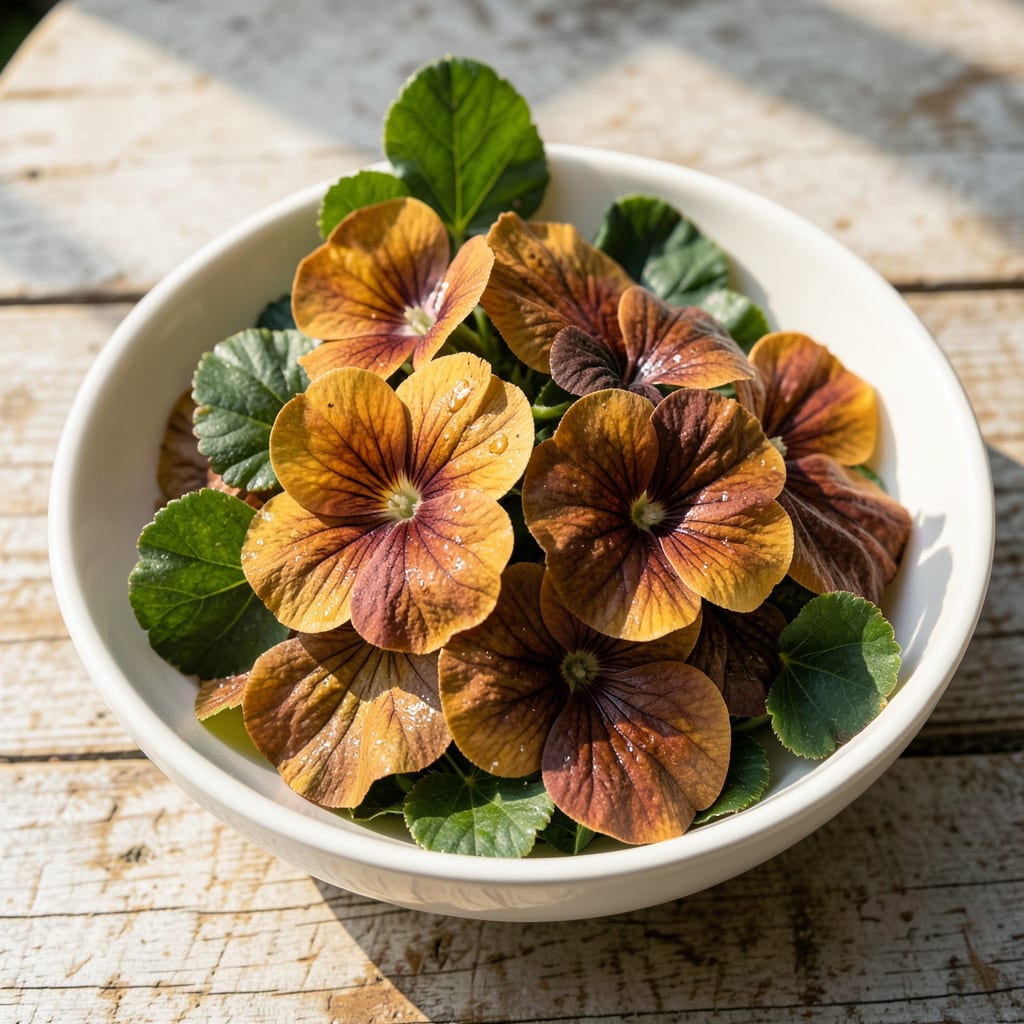
Brown leaves on geraniums always catch me off guard, even after years of growing them. That first crispy edge or yellowing spot is your plant’s way of waving a white flag—usually from something simple like overwatering or dry air.
I’ve seen this happen most often when the soil stays soggy or the pot lacks drainage. Other times, it’s spider mites or a fungal issue sneaking in. The good news? Geraniums bounce back fast once you fix the root cause.
You’ll notice the difference within days after adjusting water or improving airflow. New growth stays vibrant green, and those sad leaves drop off to make room for healthy ones.
Works for potted plants, garden beds, or windowsill geraniums alike. Here’s how to diagnose and treat it.
Brown leaves on geraniums are usually a sign of stress, often tied to environmental or care-related factors. Here’s a breakdown of the most common causes:
Geraniums thrive in moderate temperatures (65–75°F during the day, 50–60°F at night). Exposure to frost, heatwaves, or sudden temperature swings can scorch leaves, turning them brown. Cold drafts or proximity to heat sources (like radiators) also trigger stress responses.
Overwatering is a leading culprit, causing root rot that prevents nutrient uptake. Soggy soil starves roots of oxygen, leading to brown, wilting leaves. Conversely, underwatering stresses the plant, causing edges to crisp and darken. Inconsistent moisture (e.g., drought followed by flooding) is equally harmful.
While geraniums love sunlight, intense, direct UV rays (especially in hot climates) can bleach or burn foliage. Brown patches often appear on leaves facing the sun. This is common in south-facing windows or outdoor pots without shade.
A lack of magnesium or potassium can cause brown edges or spots. Over-fertilizing (especially with high-nitrogen blends) may also lead to salt buildup in soil, burning roots and turning leaves brown. Test soil pH—geraniums prefer slightly acidic to neutral (6.0–7.0).
Infestations like spider mites or aphids suck sap from leaves, causing brown stippling or curling. Fungal diseases (e.g., Botrytis blight) thrive in humid conditions, creating brown, water-soaked spots. Bacterial leaf spot (Xanthomonas) also causes irregular brown patches.
Geraniums are hardy, but brown leaves signal they need a little extra care. Below are targeted fixes for the most common causes, along with tips to keep your plants thriving.
If leaves are crispy and brown at the edges, your geranium may be sunburned. Move it to partial shade, especially during peak afternoon hours. Water deeply in the early morning to help recovery. Prevention tip: 💡 Acclimate plants gradually to direct sunlight to avoid shock.
Dry, brittle leaves often mean the soil is too parched. Check moisture by sticking your finger 1 inch into the soil—if it’s dry, water thoroughly. Use a saucer to catch runoff and ensure roots absorb enough. Prevention tip: 🌡️ Mulch around the base to retain moisture, but avoid waterlogging.
Yellowing leaves with brown spots? Your geranium may be drowning. Stop watering immediately and let the soil dry out. Repot in fresh, well-draining mix if the roots are mushy or smell foul. Prevention tip: ✨ Use pots with drainage holes and a cactus/succulent mix for better airflow.
Brown patches with a yellow halo often indicate fungal infections like leaf spot. Remove affected leaves with clean scissors and dispose of them (don’t compost). Apply a copper-based fungicide or neem oil spray. Prevention tip: 🎯 Space plants for airflow and avoid overhead watering.
Dark, mushy brown leaves can result from cold drafts or frost. Move potted geraniums indoors or to a sheltered spot when temps drop below 50°F (10°C). Prevention tip: 🔥 Use a frost cloth for outdoor plants in chilly climates.
Brown edges or interveinal browning may signal a lack of potassium or magnesium. Fertilize with a balanced, water-soluble formula (10-10-10) or add compost. Prevention tip: 🌱 Feed every 4–6 weeks during growing season, but reduce in winter.
Water when the top 1 inch of soil feels dry. Typically, this means every 7–10 days in moderate weather. Always check moisture first—overwatering is a common cause of brown leaves.
Unfortunately, no. Once leaves turn brown, the damage is permanent. Focus on fixing the underlying issue—new healthy growth will replace the damaged foliage.
Yes. Trim brown leaves at the base using clean scissors to prevent stress and redirect energy to healthy growth. This also improves air circulation and reduces disease risk.
Bright, indirect light for 6–8 hours daily is ideal. A south-facing window works well, but use a sheer curtain if leaves start browning from too much direct sun.
