
Beautiful Plants For Your Interior
Beautiful Plants For Your Interior
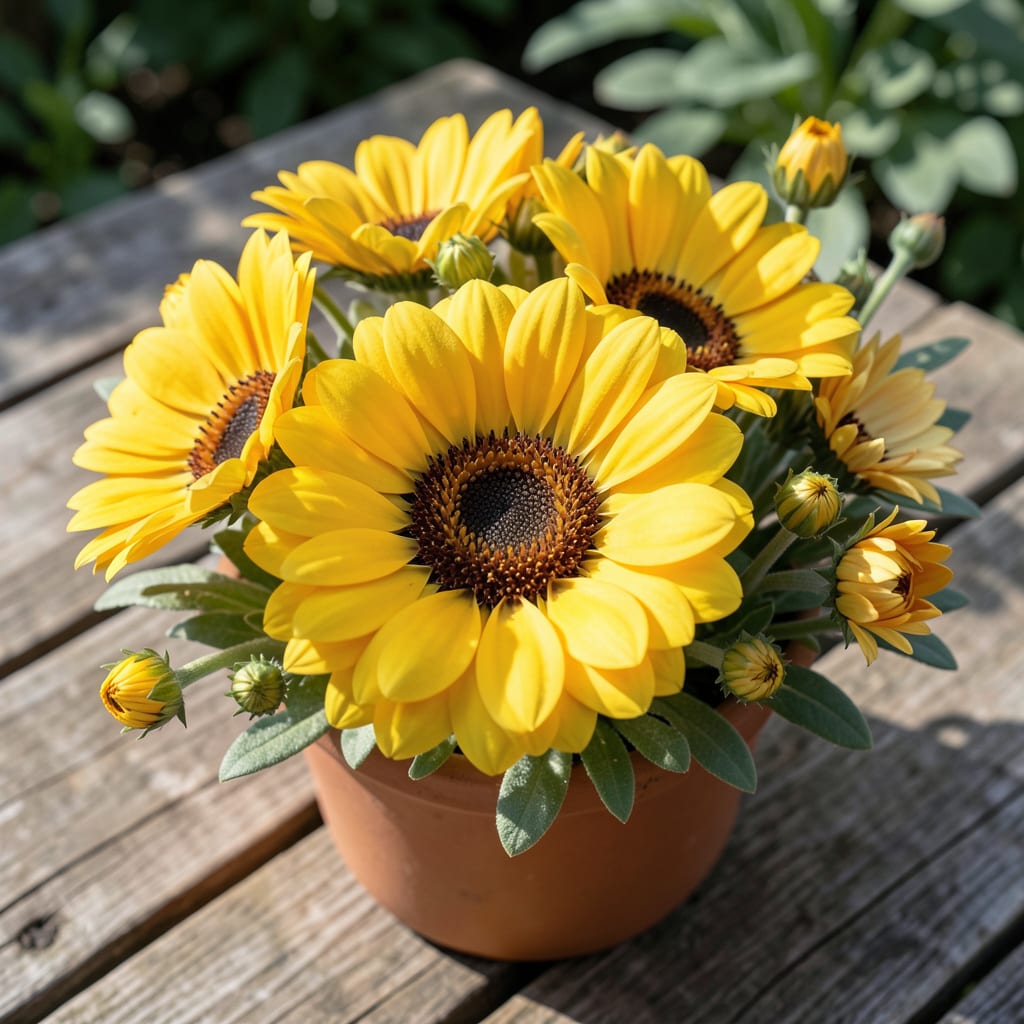
This bright beauty thrives where others wilt. Gazania ‘New Day Yellow’ laughs at drought and basks in full sun, painting your garden with vibrant yellow blooms that close at night and reopen with the morning light.
I planted my first patch in poor, sandy soil with minimal water, and they rewarded me with a summer-long display. Perfect for borders, rock gardens, or anywhere you need low-maintenance color that handles heat without complaint.
📚 In This Guide
Here’s the method I use for vibrant blooms that laugh at dry spells.
Select a location with full sun exposure—these plants thrive on at least 6-8 hours of direct sunlight daily. Gazanias won’t tolerate shade well, so avoid spots under trees or near tall structures. The soil should drain quickly to prevent root rot, which these plants are surprisingly sensitive to despite their drought tolerance.
Test your soil by digging a 1-foot deep hole and filling it with water. If it drains within 1 hour, you’re good. If not, amend with compost or sand. I always loosen the soil to about 12 inches deep to give those taproots room to stretch down for moisture.
Space plants 12-18 inches apart to allow for their spreading habit. Dig a hole just slightly wider than the root ball. If you’re transplanting from pots, gently squeeze the sides to loosen the roots before placing it in the hole—this prevents circling roots that can strangle the plant later.
Plant at the same depth as the container, then firm the soil gently around the base. Water immediately after planting with about 1 quart per plant to settle the soil and eliminate air pockets. The initial watering is the only time you’ll give them a thorough soak.
After the initial watering, let the soil dry out completely between waterings. I check by sticking my finger 2 inches into the soil—if it’s dry, it’s time to water. When you do water, give each plant about ½ gallon and do it deeply to encourage those deep roots.
You’ll notice the leaves have a silvery underside that reflects sunlight. When the plant gets thirsty, these leaves will close up like little umbrellas. That’s your visual cue it’s time to water. Morning is best to prevent evening moisture from inviting fungal issues.
Deadhead spent blooms regularly by pinching them off at the base of the stem. This isn’t just for looks—it prevents the plant from putting energy into seed production and encourages more flowers. I do this weekly during peak blooming season, which for New Day Yellow is typically from late spring until the first frost.
Fertilizing isn’t usually necessary, but if your soil is particularly poor, a light application of balanced 10-10-10 fertilizer in early summer can give them a boost. Apply it 6 inches away from the plant base and water it in well to avoid burning the roots.
In areas with mild winters (USDA zones 9-11), these are perennial and will return next year. In colder climates, treat them as annuals. As temperatures drop below 50°F, you’ll see growth slow and blooms become sparse. That’s your signal to either protect them with mulch or dig them up to overwinter indoors.
If overwintering, pot them before the first frost and place in a sunny window. Water sparingly—just enough to keep the soil from drying completely. Come spring, you can plant them back outside once temperatures consistently stay above 60°F.
These practical insights will help you get the most out of your garden star.
The Sunlight Factor: The 6-8 hours of direct sunlight mentioned in Step 1 isn’t just a suggestion—it’s essential. These plants will stretch and weaken in partial shade. I learned this the hard way when my first batch grew tall and leggy with hardly any blooms. Trust me, full sun is non-negotiable.
Soil Drainage Test: That 1-hour drainage test in Step 1 is your best insurance against root rot. If water lingers longer, amend with compost or sand until it drains properly. I always dig my test hole 1 foot deep as instructed—shallow tests can give false readings.
Watering Visual Cue: The silvery leaf undersides mentioned in Step 3 are your built-in moisture meter. When they fold up like little umbrellas, it’s time to water with that ½ gallon per plant. Morning watering is crucial—evening moisture led to fungal issues in my early attempts.
Seasonal Transition Tip: Watch for that 50°F threshold in Step 5—when temps drop below this, your plants will start struggling. In zone 8, I’ve found that moving potted gazanias indoors when nights hit 50°F consistently saves them for next year. The 60°F spring planting temperature is equally important for re-establishing them outdoors.
Gazania New Day Yellow is drought-tolerant! Water deeply once a week, allowing the soil to dry between waterings. In extreme heat, increase to twice weekly. Overwatering can lead to root rot, so less is often more.
Plant in spring after the last frost, when soil temperatures reach 60°F (15°C). In warm climates, you can also plant in early fall for a head start on next year’s blooms.
Try Lantana, Portulaca, or Coreopsis for similar drought-resistant, sun-loving flowers. These also thrive in poor soil and attract pollinators like bees and butterflies.
Lack of sunlight is the most common issue—ensure it gets 6+ hours of direct sun daily. Over-fertilizing or poor drainage can also reduce blooms. Prune spent flowers to encourage new growth.
Yes! Its slightly bitter foliage and fuzzy texture deter deer and rabbits, making it a great choice for gardens prone to wildlife visits. Still, no plant is 100% deer-proof.
