
Beautiful Plants For Your Interior
Beautiful Plants For Your Interior
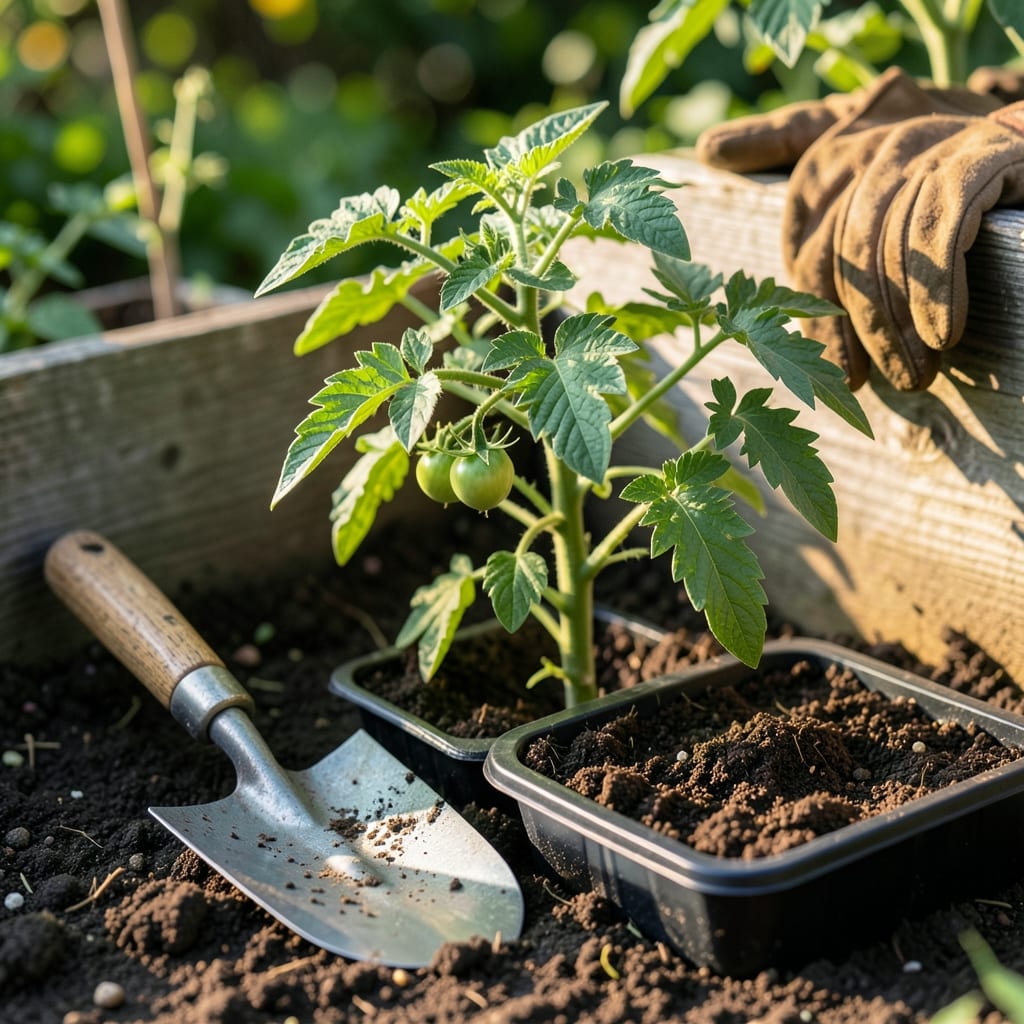
Starting a garden doesn’t have to be overwhelming. I killed my first three plants before realizing it’s about simple choices—picking the right spot, using decent soil, and not overcomplicating watering.
You’ll see results faster than you think with beginner-friendly plants and basic tools. The key is starting small and letting the plants do most of the work. Trust me, it gets easier.
📚 In This Guide
Start with these foundational steps and you’ll build confidence as your plants begin to thrive.
Begin by observing how sunlight moves across your intended planting area. Most edible plants require 6-8 hours of direct sunlight daily, while leafy greens can tolerate 4-6 hours. I sketch a simple map of my space, noting which areas receive morning versus afternoon sun, as the quality differs significantly.
Watch for microclimates—spots near walls or fences often run 5-10°F warmer than open areas. This affects what you can grow and when. Don’t overlook vertical space; trellises and hanging baskets can double your growing area in small yards or balconies.
Conduct a soil test before planting anything. You’re looking for pH between 6.0-7.0 for most vegetables, though blueberries prefer 4.5-5.5. I use a simple at-home kit—it’s surprisingly accurate and saves guesswork.
Amend based on results: add compost for organic matter, lime to raise pH, or sulfur to lower it. Work amendments into the top 6-8 inches of soil. Remember that clay soils need more organic matter than sandy ones to improve structure and water retention.
Select varieties proven to succeed in your climate zone. I always check the USDA Hardiness Zone for perennials and days-to-maturity for annuals. Heat-tolerant tomatoes thrive where cool-season crops like lettuce would bolt immediately.
Consider your space constraints—bush beans work in containers while pole varieties need trellising. Start with disease-resistant varieties when possible; they forgive beginner mistakes better than heirlooms. Don’t plant invasive species that could overtake your garden.
Water deeply but infrequently to encourage strong root systems. Most plants need 1-1.5 inches of water per week, including rainfall. I water in the early morning to reduce evaporation and fungal issues, aiming for the base of plants rather than leaves.
Use the finger test: stick your finger 1-2 inches into the soil—if it feels dry, it’s time to water. Container plants often need daily watering in hot weather, while established native plants might thrive on weekly deep watering. Mulch helps retain moisture and keeps soil temperatures stable.
Begin with a balanced 10-10-10 fertilizer for most garden plants, switching to bloom-specific formulas for flowering varieties. I apply liquid fertilizer every 2-3 weeks during the growing season, or use slow-release granules at planting and mid-season.
Remember that more isn’t better—over-fertilizing leads to salt buildup and burned roots. Always water before and after applying fertilizer to prevent root shock. Organic options like compost tea provide gentle nutrition without the risk of chemical burn.
Small adjustments in your approach can transform your garden from struggling to thriving.
Light Optimization: In Step 1, don’t just note sunlight hours—observe how shadows move throughout the day. Morning sun is gentler than afternoon sun, which can scorch delicate plants. I’ve found that tracking light patterns for a full week gives you the most accurate picture before planting.
Soil Depth Insight: When amending soil in Step 2, remember that the 6-8 inch depth isn’t arbitrary. Most plant roots extend this deep, and shallow amendments won’t reach where they’re needed. I learned this the hard way when my first carrot crop hit a compacted layer just below the surface.
Watering Precision: For Step 4, the finger test is more reliable than any schedule. That 1-2 inch soil check accounts for variations in soil type and weather. Container plants often need checking twice daily in peak summer, while established plants might only need water every 5-7 days in cooler weather.
Fertilizer Timing: The 2-3 week interval in Step 5 works because plants hit growth spurts during this period. I mark my calendar and alternate between liquid and granular fertilizers to provide both immediate and sustained nutrition. Always water before applying to prevent root burn.
Spring is ideal for most plants, but fall works for cool-season crops. Start small, check your USDA zone, and avoid extreme weather—seedlings hate frost!
Try companion planting (e.g., marigolds repel bugs), diatomaceous earth, or neem oil. Healthy soil = strong plants that resist pests naturally!
Check sunlight (6+ hours/day for most veggies), water consistency (not too much or too little), and soil nutrients. A simple soil test can reveal missing nutrients.
Absolutely! Use containers, vertical gardens, or community plots. Herbs, lettuce, and tomatoes thrive in pots on balconies or windowsills.
Water deeply 2-3 times a week (more in heat) to encourage root growth. Stick your finger in soil—if the top inch is dry, it’s time to water!