
Beautiful Plants For Your Interior
Beautiful Plants For Your Interior
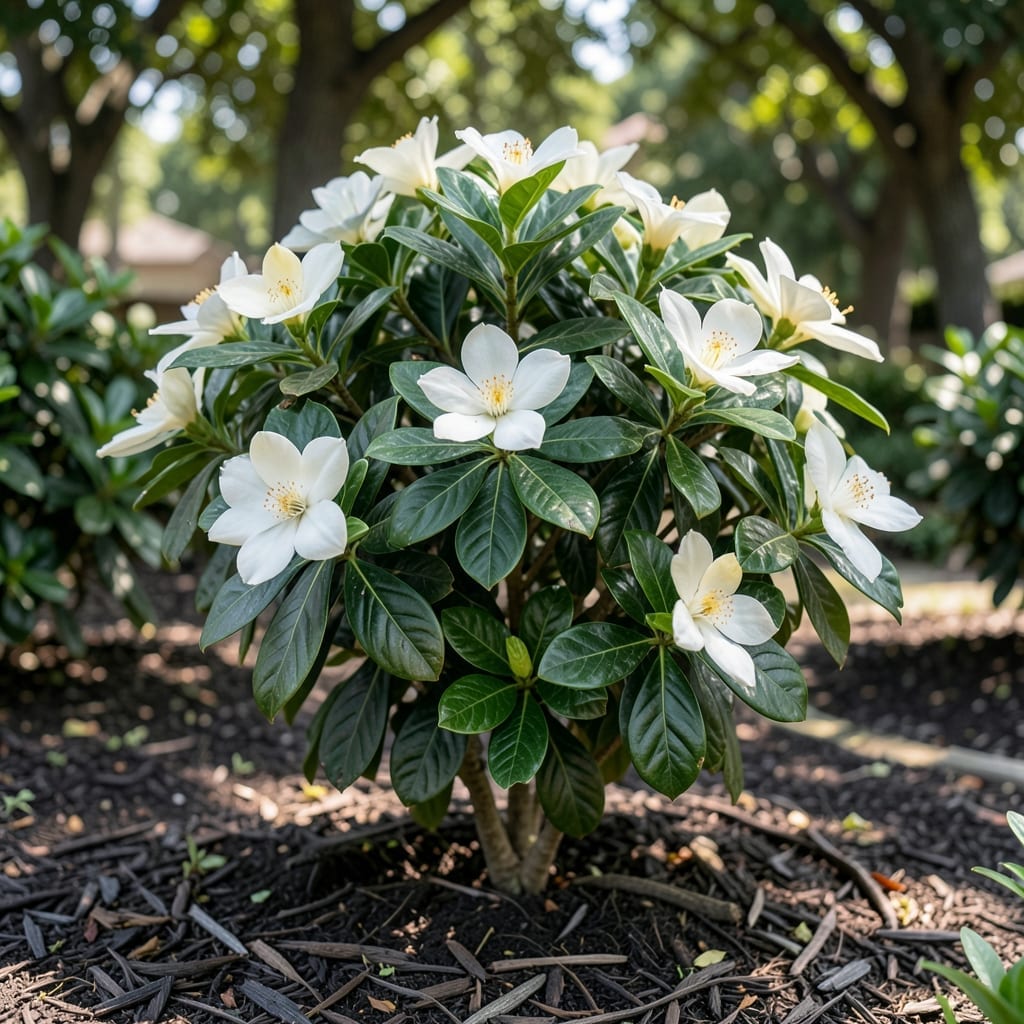
Struggling to keep your 🌸 Gardenia blooming? The secret often lies in getting the light conditions just right.
Too much sun can scorch its delicate petals, while too much shade may leave you with lush foliage but no flowers.
I’ve seen gardeners transform their Gardenia from struggling to thriving simply by adjusting its exposure. Whether you’re in zone 8-11 or just starting out, light balance is the key.
Let me walk you through how to find that sweet spot for vibrant, fragrant blooms all season long.
 Best Window Placement
If you’ve ever struggled to get your gardenia to bloom, light exposure is often the culprit. These fragrant shrubs thrive with a balance of sun and shade, but the exact ratio depends on your climate and garden setup.
In most regions, 4-6 hours of morning sunlight followed by afternoon shade creates the ideal environment. This mimics their natural habitat, where they grow under the dappled light of taller trees. ☀️
| Requirement | Specification |
|---|---|
| Ideal Light | Morning sun, afternoon shade |
| Sun Hours | 4-6 hours daily |
| Shade Tolerance | Partial to full shade |
| Best Window | East-facing for morning light |
| Climate Adjust | More shade in hot areas |
For gardeners in hotter climates like USDA zones 9-11, I recommend increasing shade protection. The intense afternoon sun can bleach leaves and stress the plant, reducing those coveted blooms.
In cooler regions (zones 7-8), you can push the sun exposure a bit. 6-8 hours of sunlight works well here, as the lower intensity won’t scorch the foliage. Just monitor for leaf yellowing, a sign of too much light.
Container-grown gardenias give you flexibility. I’ve had success moving pots to follow the morning sun on my patio. This lets me control exposure perfectly, especially during summer heatwaves.
Remember that dappled light all day often works as well as the morning sun/afternoon shade split. This is ideal for gardenias planted under taller trees with open canopies.
The key is consistency. Gardenias dislike sudden changes in light conditions. If you’re moving a potted plant, do it gradually over 7-10 days to prevent shock.
Also consider that flower production is directly tied to light. Plants in too much shade may produce fewer blooms or have weaker fragrance, while those with perfect light reward you with abundant, sweet-scented flowers. 🌸
Finally, don’t forget that soil moisture and light exposure work together. Plants in full sun need more frequent watering, while those in shade can often go longer between drinks. 💧
If your gardenia looks sad, light exposure might be the culprit. Yellowing leaves often signal too much direct sun, while leggy growth with few blooms usually means not enough light. I’ve seen both issues in my own garden, and adjusting the light always helps.
Another red flag is poor flowering. Gardenias need the right balance of sun and shade to produce their fragrant white blooms. Without it, you’ll get leaves but no flowers, no matter how well you care for the plant.
⚠️ Light Stress Alert
Too much sun causes brown leaf edges. Too little light leads to sparse foliage. Adjust gradually to avoid shock.
To fix sunburned gardenias, move them to a spot with afternoon shade. A sheer curtain or shade cloth can also protect them from intense midday rays. I use a 40% shade cloth in summer to keep mine thriving.
For leggy gardenias, increase bright indirect light. An east-facing window or a dappled shade spot under a tree works wonders. Just avoid deep shade, as it encourages weak growth and fewer flowers.
If you’re growing gardenias in containers, rotate the pots quarter-turn weekly for even light exposure. This prevents lopsided growth and ensures all sides get their share of light.
Remember, gardenias prefer 4-6 hours of morning sun followed by afternoon shade. This mimics their natural habitat and keeps them healthy and blooming all season long. 🌷