
Beautiful Plants For Your Interior
Beautiful Plants For Your Interior
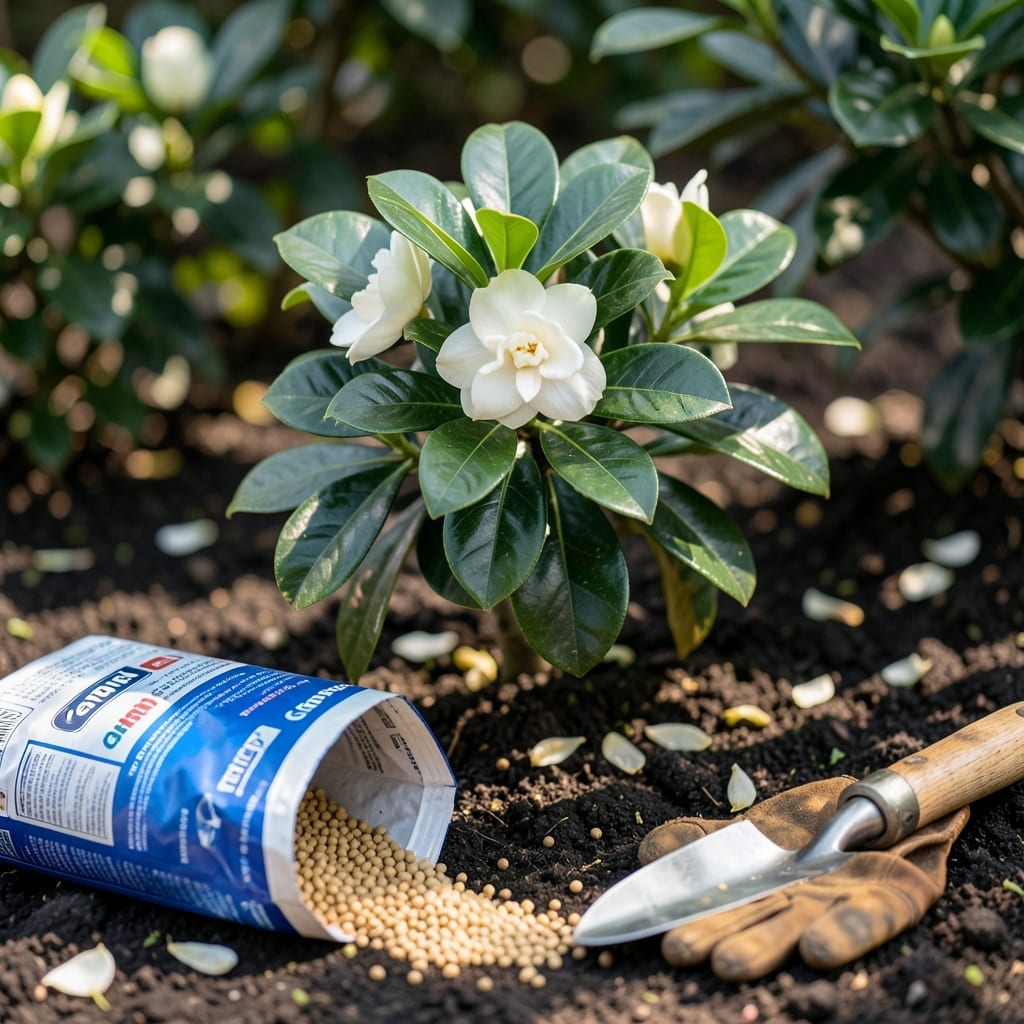
Gardenia 🌸 flowers can transform your garden with their stunning blooms and intoxicating fragrance, but only if they get the right nutrition. Their acid-loving nature means regular fertilizers just won’t cut it.
Without proper care, you might see yellowing leaves or weak growth. The good news? With the right approach, you can keep your Gardenia thriving all season long.
I’ll walk you through the best fertilizers, when to apply them, and how to avoid common pitfalls. It’s easier than you think to achieve those lush, vibrant blooms.
Let’s dive into how to give your Gardenia the love it deserves. Your garden will thank you.
Gardenia flowers demand acid-loving fertilizers to thrive, and the wrong choice can lead to yellow leaves or poor blooms. I always look for products with a high acid content and balanced NPK ratios like 30-10-10 or 10-10-10. These provide the nitrogen, phosphorus, and potassium gardenias need. 🌸
Key nutrients like magnesium and iron are also critical for these plants. Without them, you might notice leaf chlorosis or stunted growth. I’ve found that chelated iron works wonders for preventing deficiencies in alkaline soils.
| Fertilizer Type | Best For | NPK Ratio | Key Benefit |
|---|---|---|---|
| Sulfur-Coated Urea | Slow-release nitrogen | 30-0-0 | Lowers soil pH gradually |
| Ammonium Sulfate | Quick acid boost | 21-0-0 | Fast-acting for iron uptake |
| Chelated Iron | Iron deficiency fix | 0-0-0 + Fe | Prevents yellowing leaves |
| Organic Cottonseed Meal | Natural acidifier | 6-2-1 | Improves soil structure |
When choosing between organic vs. synthetic fertilizers, I weigh the pros and cons carefully. Organic options like cottonseed meal or composted pine bark improve soil health long-term but release nutrients slowly. Synthetic fertilizers, on the other hand, offer immediate results but may require more frequent application.
For liquid fertilizers, I recommend diluting to half-strength for gardenias, as they’re sensitive to salt buildup. A balanced 10-10-10 liquid feed works well for foliar spraying, especially during the growing season. Always water deeply after applying granular fertilizers to prevent root burn.
If your gardenia shows signs of iron deficiency, such as yellow leaves with green veins, a chelated iron drench can provide a quick fix. I’ve seen remarkable recovery within 7-10 days using this method. Just be sure to test your soil pH first—gardenia roots absorb iron best when the pH is between 5.0 and 6.0. 🌿
Another favorite of mine is sulfur-coated urea, which slowly releases nitrogen while acidifying the soil. This is ideal for gardenias planted in neutral or alkaline soils. Apply it in early spring and again in mid-summer for best results.
For those preferring all-natural solutions, mixing used coffee grounds into the soil can provide a mild acid boost. However, I’d caution against overdoing it, as too much can make the soil too acidic and harm beneficial microbes.
Always follow the manufacturer’s instructions for dosage, but I typically use about 1 tablespoon of granular fertilizer per plant every 4-6 weeks during the growing season. Reduce feeding in late summer to avoid encouraging new growth that could be damaged by frost.
Finally, remember that healthy soil is the foundation of thriving gardenias. Regularly amending with organic matter like compost or peat moss can improve both drainage and acidity, creating the perfect environment for your plants to flourish. ✂️
I’ve found that gardenia flowers need a consistent feeding schedule to thrive. Start in early spring when new growth appears, and continue through late summer. This timing aligns with their active growing season.
For best results, I apply acid-loving plant fertilizer every 4-6 weeks. This keeps the soil pH balanced and ensures steady nutrient supply for vibrant blooms.
I prefer liquid fertilizers for quick absorption, but granular options work well for slow-release feeding. Both methods have their place in a gardenia care routine.
Watch for over-fertilization signs like brown leaf edges or salt buildup on soil. If I notice these, I flush the soil with water and pause feeding for a few weeks.
In hot summer months, I reduce the frequency slightly and focus on maintaining consistent moisture. This prevents stress while still supporting bloom production.
Remember, fall is for tapering off. As temperatures drop, I stop fertilizing entirely to let my gardenias prepare for dormancy. This rest period is crucial for next year’s growth.
🌸