
Beautiful Plants For Your Interior
Beautiful Plants For Your Interior
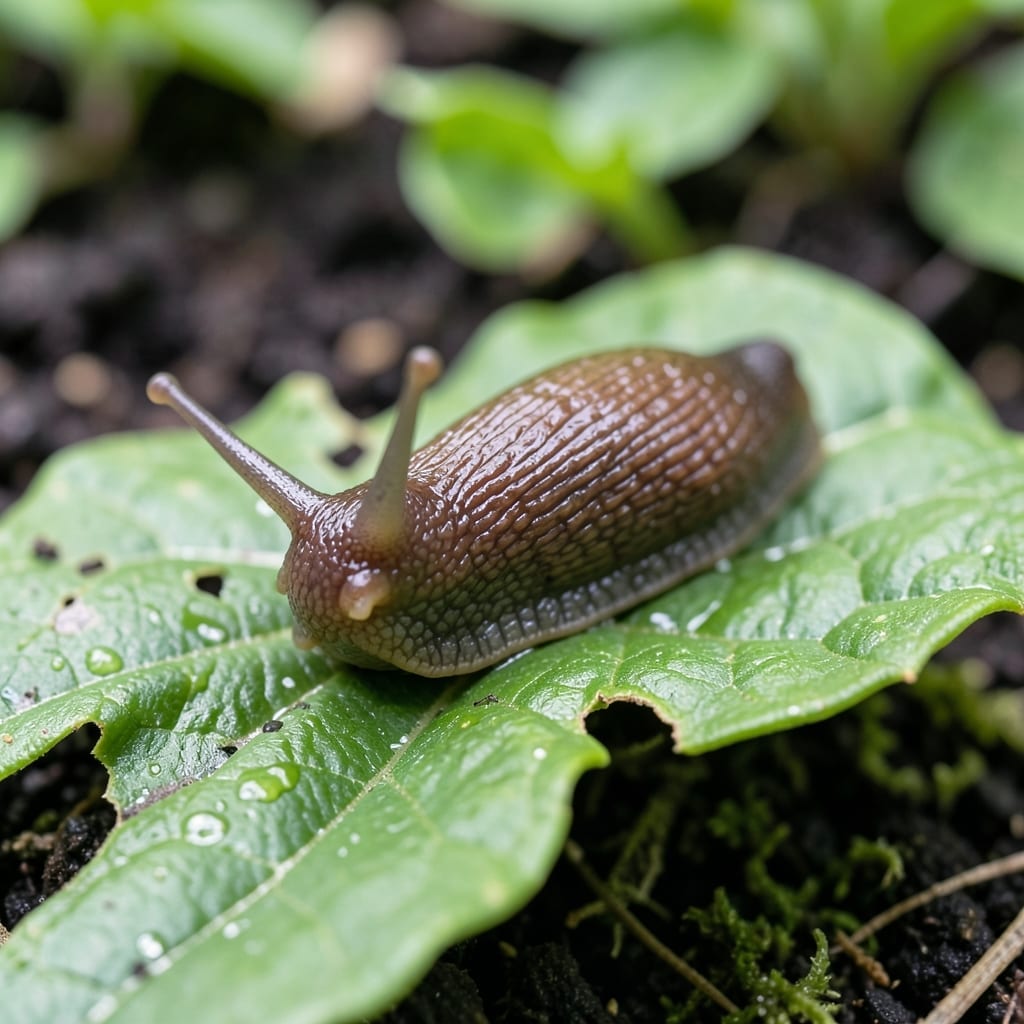
Slugs can destroy a garden overnight. I’ve lost entire rows of seedlings to these pests, but the beer trap method offers a foolproof solution that works without harsh chemicals.
This approach leverages slugs’ attraction to yeast, using a simple container filled with beer to lure and trap them. It’s effective, safe for plants, and requires minimal effort to set up and maintain.
Within 24 hours, you’ll notice a significant reduction in slug activity. The traps are easy to refresh, and the results are immediate and noticeable.
Works in any garden size, from small raised beds to large plots. Here’s how to implement it for maximum impact.
Understanding why slugs appear in your garden is the first step toward effective control. These slimy pests aren’t just random intruders—they’re drawn by specific conditions that make your garden their ideal habitat. Below are the primary causes behind slug infestations, broken down into actionable insights.
Slugs thrive in moist environments, and soggy soil is like a five-star hotel for them. Overwatering your plants or having poor drainage creates the perfect breeding ground. Slugs need moisture to survive, as their soft bodies dehydrate quickly in dry conditions. Fix it: Water in the early morning to allow soil to dry during the day, and improve drainage with organic matter like compost.
Slugs are detritivores, meaning they feed on decomposing leaves, mulch, and other organic debris. A garden littered with fallen leaves or rotting vegetation is an open buffet. They’re also attracted to overgrown areas where they can hide from predators. Fix it: Regularly clear dead plant material and keep your garden tidy to remove their food and shelter.
In a balanced ecosystem, slugs are kept in check by predators like beetles, birds, frogs, and hedgehogs. If your garden lacks biodiversity or uses pesticides that harm these natural enemies, slug populations can explode. Fix it: Encourage beneficial wildlife by adding a small pond, birdhouses, or native plants that attract predator species.
While mulch conserves moisture and suppresses weeds, thick layers of organic mulch (like straw or wood chips) create a cozy, damp hiding spot for slugs. They burrow underneath during the day and emerge at night to feed. Fix it: Use mulch sparingly, or switch to inorganic options like gravel in slug-prone areas.
Tackle slug invasions head-on with these practical, cause-specific solutions. Each fix targets the root of the issue while keeping your garden thriving.
Set up a simple beer trap to lure and drown slugs. Bury a shallow container (like a yogurt cup) near affected plants, fill it with beer, and cover it with a loose lid to prevent other insects from falling in. Slugs are attracted to the yeast, crawl in, and can’t escape. Empty and refill every 2-3 days for best results.
Slugs thrive in damp environments. Reduce their habitat by:
Clear away garden clutter where slugs hide during the day. Check under:
Keeping your garden tidy forces slugs out into the open, making them easier to spot and remove.
Protect high-risk plants with natural deterrents:
💡 Prevention Tip: Encourage natural predators like birds, frogs, and beetles by adding a small water source or native plants to your garden. A balanced ecosystem is your best long-term defense!
Check and refresh your traps every 2-3 days for best results. Slugs will decompose quickly in warm weather, which can deter others.
Any cheap beer will do—slugs are attracted to the yeast, not the quality. Avoid dark beers as they may attract other pests. Leave 1 inch of beer in each trap.
Most beneficial insects won’t be attracted to beer traps. Use a loose lid with small holes to keep bees and butterflies out while letting slugs in.
Remove hiding spots like boards and dense mulch. Water in the morning so soil dries by evening. This forces slugs to seek moisture elsewhere.