
Beautiful Plants For Your Interior
Beautiful Plants For Your Interior
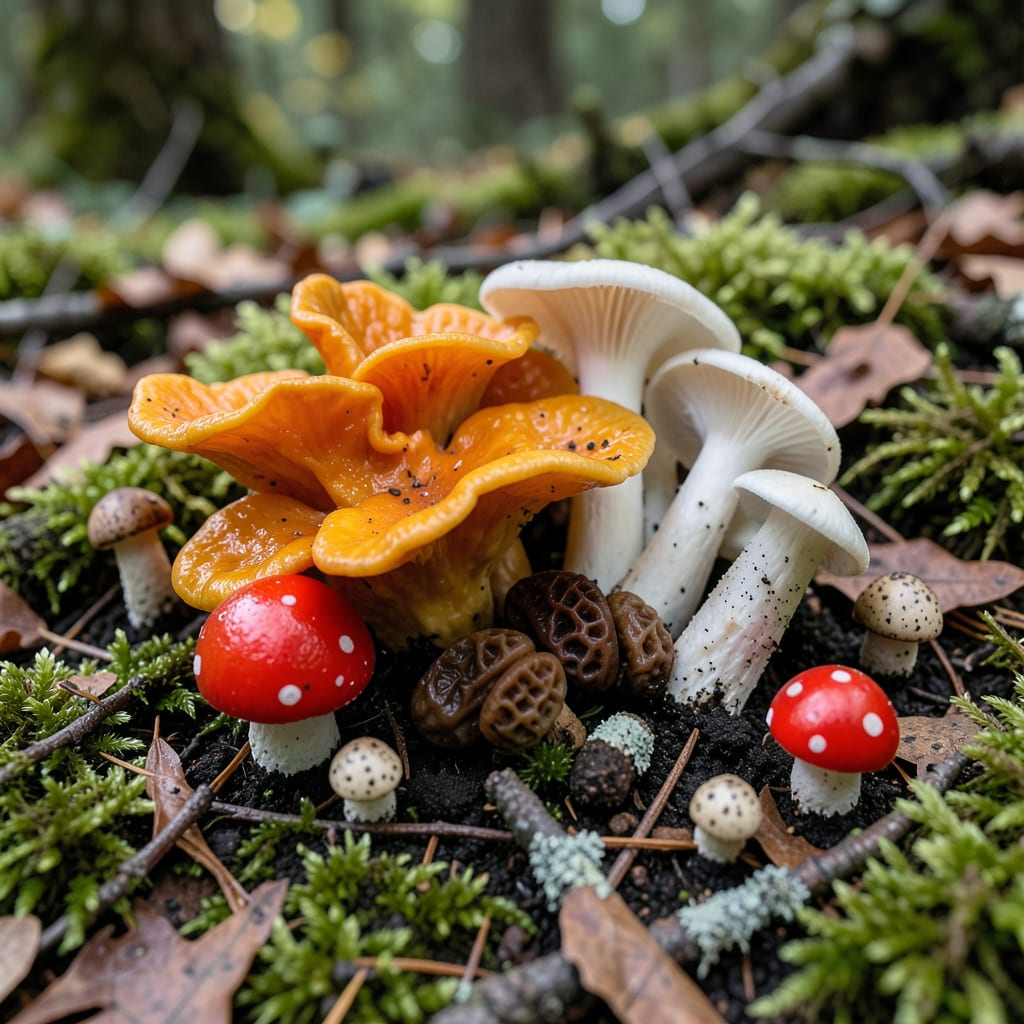
Spotted something strange on your plants? White powder, black spots, or weird growths often signal fungal trouble. I’ve seen gardens go from thriving to struggling in days because of missed signs.
Identifying garden fungi early saves your plants—and your sanity. Powdery mildew, rust, and leaf spot each leave distinct marks. A quick visual check can reveal exactly what you’re dealing with.
Once you recognize the culprit, treatment becomes simple. Most issues clear up with better airflow, proper watering, or a natural spray. No advanced degree required.
This guide helps you match symptoms to solutions before the problem spreads. Clear pictures and straightforward advice make diagnosis easy.
Understanding why garden fungi appear is the first step toward prevention. Here are the most frequent triggers, explained with actionable insights:
Fungi thrive in damp environments. Overwatering, poor soil drainage, or heavy rainfall creates ideal conditions for spores to germinate. Saturated soil reduces oxygen levels, stressing plant roots and making them more susceptible to fungal infections like Phytophthora or Pythium. To combat this, ensure your garden has proper drainage and avoid overhead watering, which wets foliage and encourages leaf-spotting fungi.
Stagnant air traps moisture around plants, fostering fungal growth. Crowded plantings or dense canopies limit airflow, increasing humidity levels. Powdery mildew and Botrytis (gray mold) are common in such conditions. Prune regularly to improve ventilation, and space plants according to their mature size to reduce humidity pockets.
Fungal spores can linger in soil or on gardening tools, waiting for the right conditions to activate. Using unsterilized tools or planting in contaminated soil introduces pathogens like Fusarium or Verticillium wilt. Solarizing soil (covering it with clear plastic to heat and disinfect) or rotating crops can break the fungal life cycle. Always clean tools with a 10% bleach solution between uses.
Decaying leaves, fallen fruit, or dead plant matter provide food and shelter for fungi. Anthracnose and Alternaria leaf spot often spread from infected debris. Remove plant litter promptly, and avoid composting diseased material unless your pile reaches high enough temperatures (140–160°F) to kill spores.
Once you’ve identified the fungus in your garden, act fast to stop it from spreading. Here’s a practical guide to fixing common fungal issues, with prevention tips to keep your plants healthy long-term.
Trim overcrowded leaves and branches to boost air circulation. Apply a baking soda solution (1 tbsp baking soda + 1 tsp dish soap + 1 gallon water) weekly. Prevent it: Space plants properly and water at the base to keep foliage dry.
Prune infected leaves and stems immediately—do not compost them. Spray with neem oil or a copper-based fungicide. Prevent it: Avoid overhead watering and clean up fallen leaves regularly.
Use a sulfur-based fungicide for rust or downy mildew. Remove heavily infected plants to protect others. Prevent it: Rotate crops yearly and choose resistant varieties.
For root rot or damping-off, solarize soil by covering it with clear plastic for 4–6 weeks. Add compost or mycorrhizal fungi to rebuild healthy soil. Prevent it: Avoid overwatering and use well-draining soil.
Pro Tip 💡: Always sterilize pruning tools with rubbing alcohol between cuts to avoid spreading spores!
Look for a white, powdery coating on leaf surfaces, often in circular patches. It typically appears on upper leaves first and spreads quickly in humid conditions.
Overwatering, poor airflow, or contaminated soil are common causes. Fungi thrive in damp, stagnant environments with limited light.
A baking soda spray or neem oil can work for mild cases. Mix 1 tbsp baking soda with 1 gallon water and apply weekly.
Remove infected plant parts immediately and avoid composting them. Sterilize tools between uses and improve garden airflow.
