
Beautiful Plants For Your Interior
Beautiful Plants For Your Interior
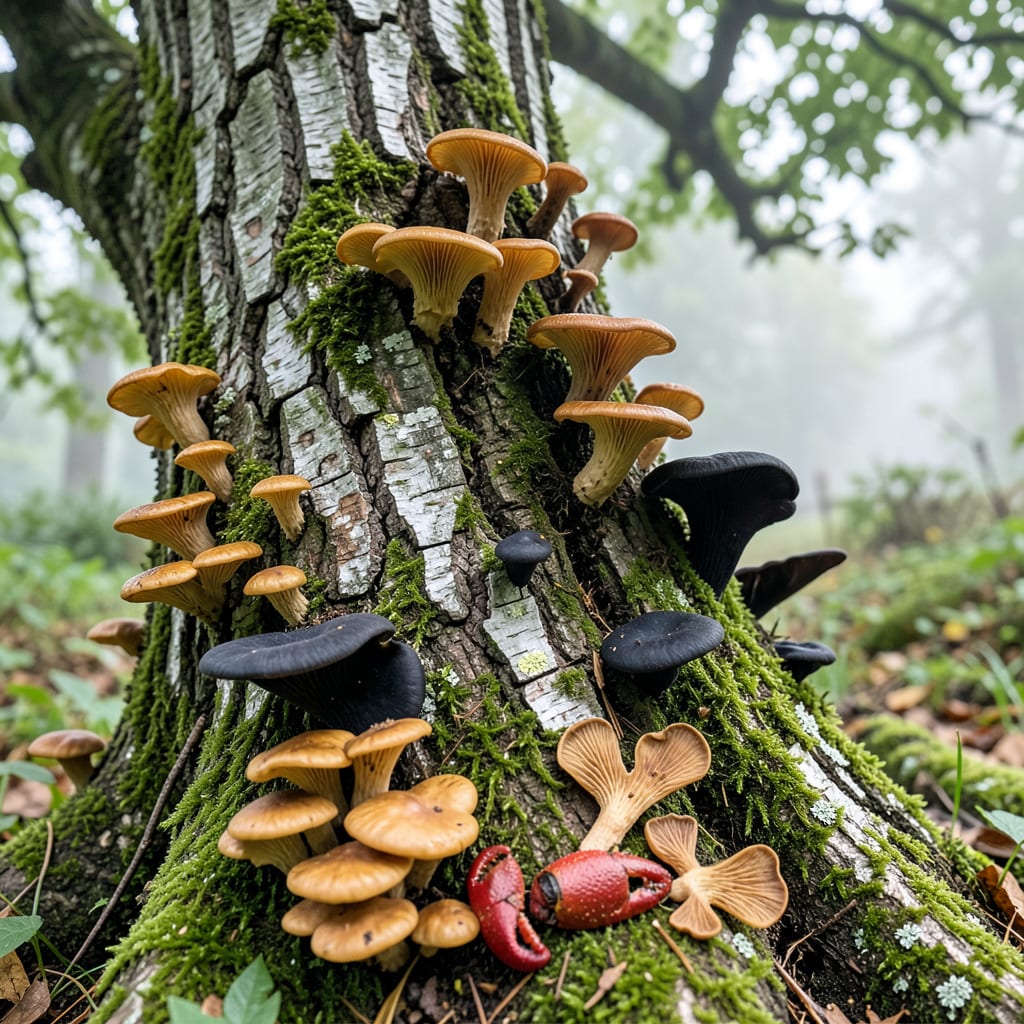
Spotting fungus on your tree trunk can send any gardener into a panic. I’ve been there, staring at strange growths and wondering if my tree was doomed.
Here’s the thing—most trunk fungi aren’t an automatic death sentence. The key is identifying what you’re dealing with and acting fast. Some are harmless, while others signal serious trouble beneath the bark.
With the right approach, you can stop the spread and even save your tree. I’ve tested natural remedies and targeted treatments that actually work without harming the rest of your garden.
Early action makes all the difference. Let’s figure out what’s growing on your tree and how to handle it.
Fungal growth on tree trunks often stems from environmental stress, pathogens, or poor tree health. Below are the most common causes, explained with actionable insights.
Fungi thrive in damp conditions. Overwatering, poor soil drainage, or prolonged rain can create the perfect breeding ground. Trees in low-lying areas or those with compacted soil are especially vulnerable. To prevent this, ensure proper drainage and avoid over-mulching near the trunk.
Wounds from pruning cuts, lawnmowers, or animal scratches expose the tree’s inner tissues, inviting fungal spores to colonize. Even small cracks can harbor pathogens like Ganoderma or Armillaria. Always sterilize pruning tools and apply wound dressings to minimize infection risks.
Trees under stress—whether from drought, nutrient deficiencies, or root damage—are more susceptible to fungal attacks. A weakened immune system reduces their ability to fend off spores. Regularly fertilize, monitor soil pH, and address pest infestations to keep trees resilient.
Many fungi, such as Phytophthora or Fusarium, spread through airborne spores or contaminated soil. These pathogens can lie dormant until conditions favor their growth. Sanitize gardening tools, remove infected debris, and use fungicide treatments preventatively in high-risk areas.
Fungus on a tree trunk can often be managed with the right approach. Below are practical solutions tailored to common causes, along with prevention tips to keep your trees healthy.
If excess moisture is the culprit, start by reducing watering frequency. Ensure the soil around the tree has proper drainage—consider amending it with organic matter like compost to improve structure. Prune nearby branches to increase airflow, which helps the trunk dry faster. A simple mulch layer (2–3 inches deep) can also prevent water from pooling at the base.
For active fungal growth, remove infected bark or wood with sterilized tools to prevent spread. Apply a copper-based fungicide or a homemade solution of 1 tablespoon baking soda + 1 gallon of water + a few drops of dish soap. Spray evenly on the affected area, repeating every 1–2 weeks until the fungus subsides. For severe cases, consult an arborist for professional treatment.
A stressed tree is more vulnerable to fungus. Strengthen it by fertilizing with a balanced, slow-release formula in early spring. Ensure the tree gets adequate sunlight and water (but avoid overwatering). Remove dead or diseased branches promptly to redirect the tree’s energy toward recovery.
With consistent care, most trees can overcome fungal issues and thrive for years to come!
Most trunk fungi are harmless to humans, but some can cause skin irritation. Always wear gloves when handling and wash hands afterward.
Minor infections may clear with improved conditions, but severe cases need intervention. Act quickly—delaying treatment often worsens the damage.
Apply treatments during dry weather for best results. Morning applications allow the trunk to dry before evening moisture sets in.
No, careful removal of infected areas helps the tree heal. Sterilize tools between cuts to prevent spreading spores.
