
Beautiful Plants For Your Interior
Beautiful Plants For Your Interior
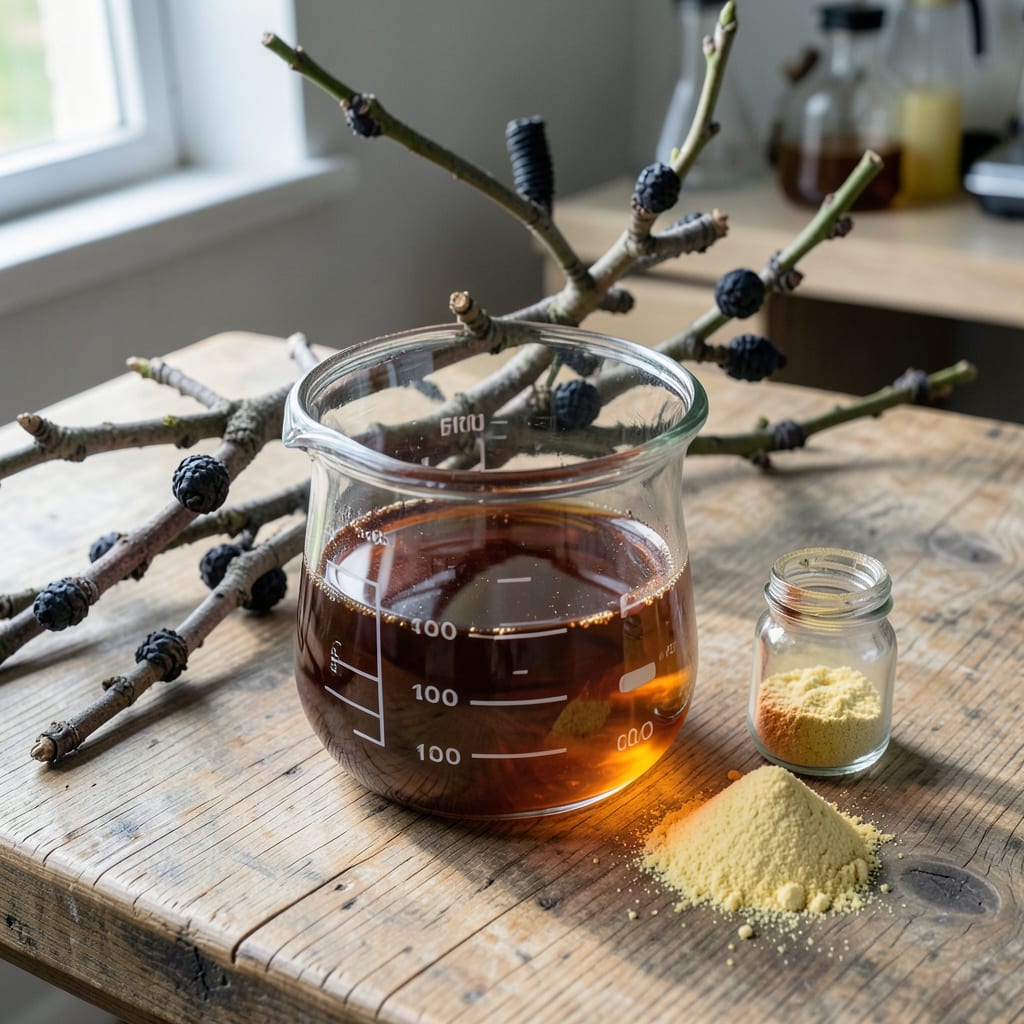
That ugly black swelling on your cherry tree isn’t just unsightly—it’s a death sentence if ignored. Black knot disease spreads fast, but I’ve saved multiple trees with the right fungicide timing and technique.
Catching it early is key. The first sign is small olive-green swellings that turn black and hard. Plum, cherry, and peach trees are most vulnerable, and wet springs make conditions perfect for this fungus to thrive.
Treatment isn’t complicated: remove infected branches 2-3 inches below the knot, then apply fungicide. Copper-based sprays work well organically, while chemical options like captan offer stronger protection.
Prevention beats cure. Prune during dry weather, space trees properly, and treat with fungicide at bud break and after petal fall. Your trees can recover—and stay healthy for years.
Black knot disease, caused by the fungus Apiosporina morbosa, thrives under specific environmental and biological conditions. Understanding these causes helps in targeted prevention and treatment. Below are the primary reasons why this disease develops.
The disease begins when spores of A. morbosa land on susceptible plant tissue, typically during wet spring conditions. These spores germinate and infect the plant through wounds, leaf scars, or natural openings. Once inside, the fungus grows within the host, eventually forming the characteristic black, swollen knots.
Wet, humid weather—especially during spring—accelerates spore release and infection. Prolonged leaf wetness (over 6-12 hours) and temperatures between 55–75°F (13–24°C) create ideal conditions for fungal growth. Areas with poor air circulation or dense plantings are particularly vulnerable.
Black knot primarily affects Prunus species, including cherry, plum, and peach trees. Cultivars with thin bark or those already stressed by drought, poor nutrition, or physical damage are more prone to infection. The fungus overwinters in existing knots, releasing spores the following season to reinfect the tree or spread to neighbors.
Pruning at the wrong time (e.g., late winter or early spring) or with contaminated tools can introduce or spread the fungus. Cuts that leave stubs or jagged wounds delay healing, giving the pathogen an entry point. Sanitizing tools between cuts and pruning during dry, dormant periods reduces risk.
Black knot disease can be managed effectively with the right approach. Below are practical solutions mapped to specific causes, along with prevention tips to keep your trees healthy.
If you spot the telltale black, swollen galls on branches, act fast. Fungicides containing lime sulfur or copper are highly effective when applied during the dormant season (late fall or early spring). Spray thoroughly, covering all branches, stems, and the trunk. For active infections, repeat applications every 7–10 days until symptoms subside.
For trees with advanced infections, pruning is essential. Remove all affected branches at least 4–6 inches below the visible gall to ensure complete removal of the fungus. Do not compost the infected material—burn it or dispose of it in sealed bags to prevent further spread. Sterilize your pruning tools with rubbing alcohol between cuts to avoid cross-contamination.
Consistency is key—combine fungicide treatments with cultural practices for the best defense against this stubborn disease.
Apply during dormant season, in late fall or early spring. For active infections, spray every 7-10 days until symptoms clear. Always treat at bud break and after petal fall for prevention.
Yes, copper-based sprays or lime sulfur work well organically. Apply thoroughly to cover all branches and trunk. These are gentler but require consistent reapplication.
Prune infected branches 4-6 inches below the gall immediately. Burn or bag the material—never compost. Sanitize tools between cuts to prevent spreading the fungus.
Yes, cultivars like ‘Stanley’ or ‘Methley’ show better resistance. Still, all Prunus species can be affected, so monitoring remains crucial.
