
Beautiful Plants For Your Interior
Beautiful Plants For Your Interior
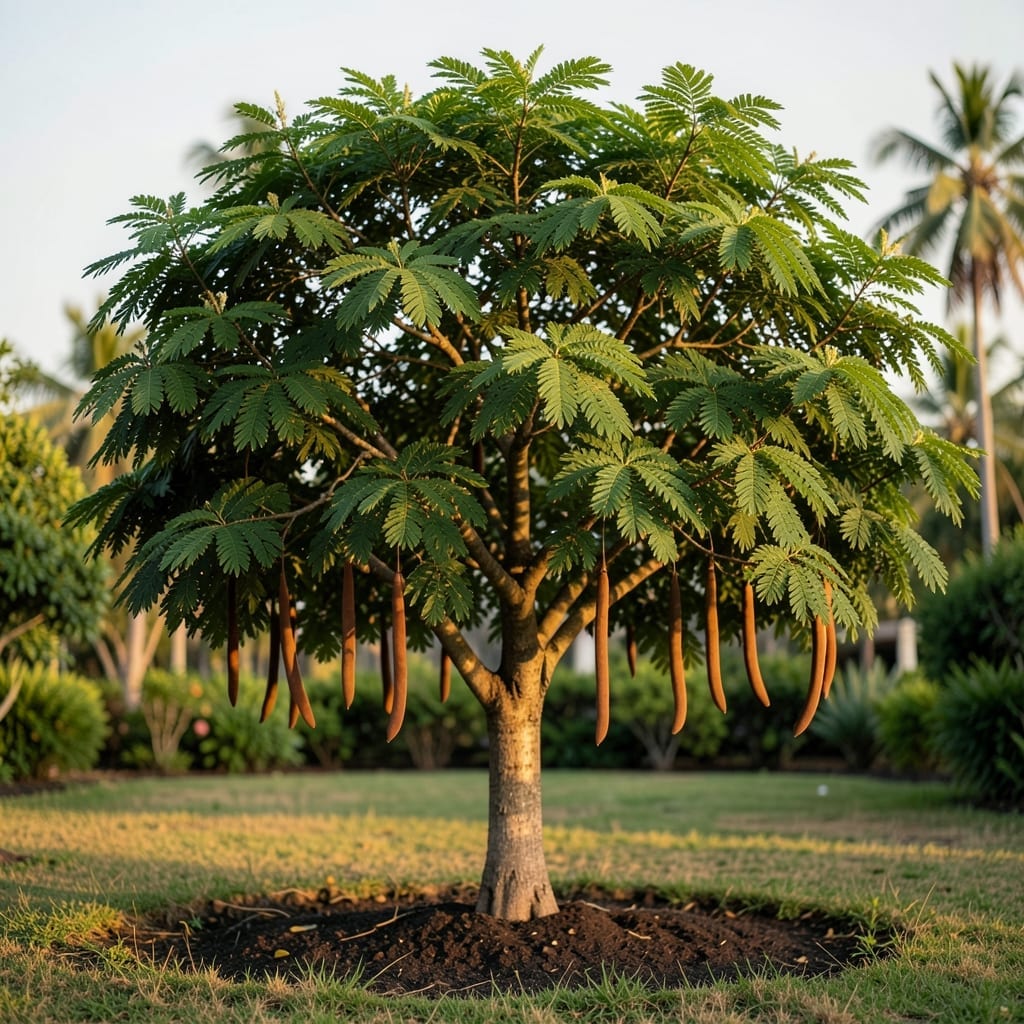
Imagine stepping into your garden and plucking delicious tamarind pods from your very own 🌳 Tamarind Tree. It’s not just a dream – with the right care, you can make it happen.
Growing a thriving Tamarind Tree requires more than just planting and hoping. You need to understand its unique needs to ensure healthy growth and bountiful harvests.
Discover the essential tips that will help your tree flourish. From soil to sunlight, I’ll guide you through everything you need to know for success.
A full grown tamarind tree is a magnificent addition to any tropical garden, reaching impressive heights and offering shade and fruit. I’ve seen these trees thrive with proper care.
Understanding the key features of a mature tamarind helps you provide the best growing conditions for a healthy, productive tree.
The height range of a full grown tamarind tree is 40-80 feet, making it a towering presence in your landscape. Its spreading canopy provides ample shade.
A mature tamarind develops a deep root system, which helps it access water and nutrients from deep underground. This also makes the tree drought-resistant once established.
You’ll typically see fruit production begin when the tree is 5-7 years old. Patience is key, but the wait is worth it for the tangy, sweet pods it produces.
The tamarind tree thrives in USDA zones 10-12, where it can enjoy year-round warmth. It’s perfect for tropical and subtropical climates.
For optimal growth, plant your tamarind in well-draining soil with full sun exposure. This mimics its natural habitat and encourages vigorous growth.
I always recommend giving your tamarind tree plenty of space to grow. Its 20-40 ft canopy spread means it needs room to stretch out without competition.
The fruit-bearing season typically runs from October to January. During this time, your tree will be laden with brown, brittle pods ready for harvest. 🌳
Remember, a healthy tamarind tree starts with understanding its natural characteristics. By matching these traits with your garden’s conditions, you’ll set the stage for years of bountiful harvests.
To get the most from your full grown tamarind tree, proper care is essential. I’ve found that consistent attention to watering and soil conditions makes a huge difference in fruit quality.
A mature tamarind thrives with weekly deep watering during its growing season. This ensures the deep root system stays hydrated and supports fruit development.
I always use a slow-release fertilizer with an 8-4-12 NPK ratio. This feeds the tree steadily and promotes healthy fruit production without overwhelming it.
Pruning is another critical step. I recommend annual pruning to remove dead or diseased branches and to shape the canopy for better air circulation.
The tamarind tree loves full sun, so ensure it gets at least 6-8 hours of direct sunlight daily. This is crucial for maximum fruit yield and overall tree health.
Don’t forget about mulching. A 2-3 inch layer of organic mulch around the base helps retain moisture and keeps the roots cool during hot months.
With these care tips, your tamarind tree will reward you with abundant, flavorful pods year after year. 🌳