
Beautiful Plants For Your Interior
Beautiful Plants For Your Interior
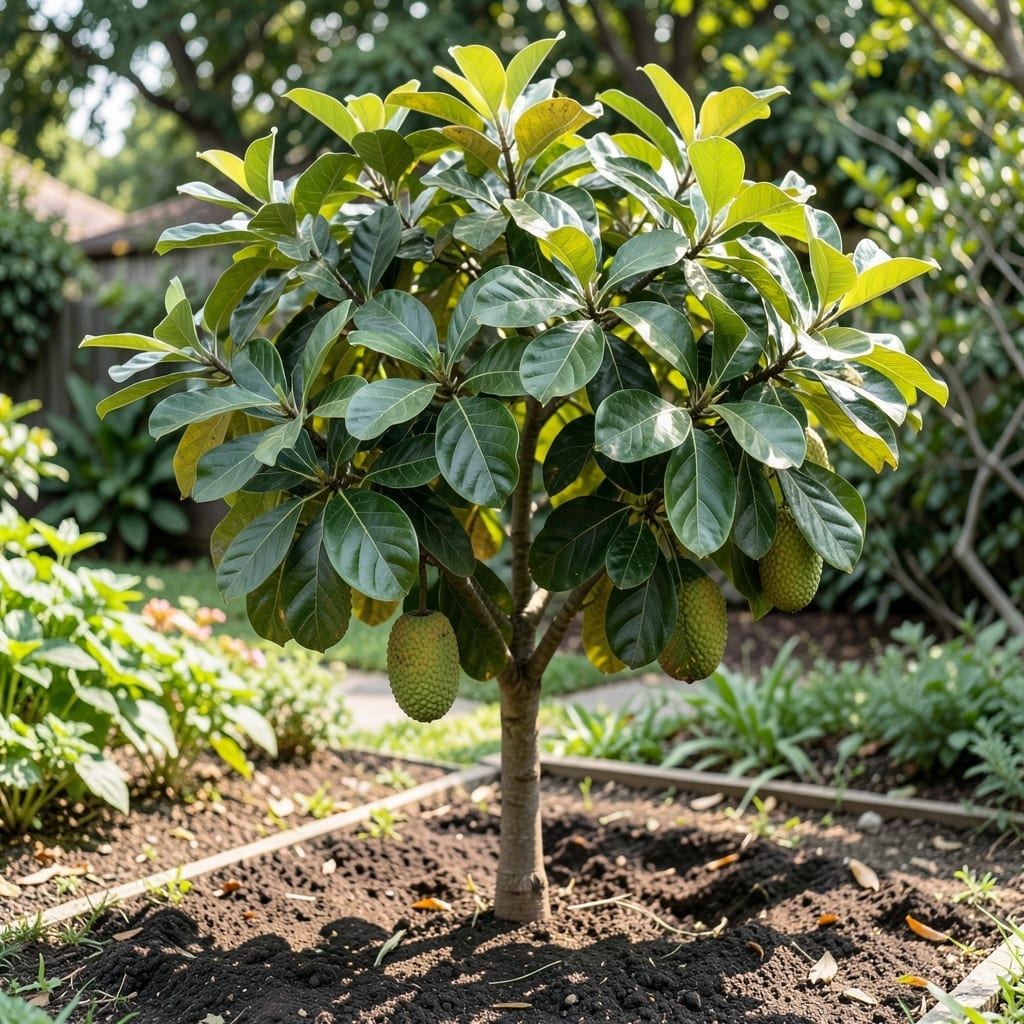
A full grown Sugar Apple Tree 🌳 can transform your garden into a tropical paradise with its sweet, custard-like fruit. But reaching that bountiful stage requires more than just planting and hoping for the best.
I’ve seen too many gardeners struggle with stunted trees or meager harvests simply because they missed key care steps. The good news? With the right approach, you can nurture a thriving tree that rewards you for decades.
Discover the essential practices that separate successful growers from those left wondering why their trees underperform. Let’s get started.
When I first planted my sugar apple tree, I was amazed at how quickly it grew. A full grown sugar apple tree typically reaches 15 to 25 feet tall, making it a striking addition to any landscape. Its canopy can spread 10 to 15 feet wide, providing ample shade. 🌳
This tropical beauty thrives in USDA zones 10-11, where it can enjoy year-round warmth. The tree produces delicious, custard-like fruit that’s a favorite among gardeners. Understanding its mature characteristics helps set realistic expectations for growth and harvest.
| Characteristic | Specification |
|---|---|
| Height | 15-25 ft |
| Canopy Spread | 10-15 ft |
| USDA Zones | 10-11 |
| Fruit Harvest | June-October |
| Sunlight Needs | 6+ hours daily |
The sugar apple tree has a unique growth habit, with a rounded, bushy canopy that’s perfect for small orchards. Its leaves are glossy green and slightly aromatic when crushed. The tree’s bark is smooth when young but becomes rough and fissured with age. ☀️
One of the most exciting aspects is its fruit production. A mature tree can yield 50 to 100 fruits per season, depending on care and conditions. The fruit itself is heart-shaped with a scaly green rind and sweet, creamy flesh inside.
I’ve noticed that my tree produces the most fruit when it receives consistent watering and balanced fertilization. The fruit typically matures in 90 to 150 days after flowering, so patience is key. The tree’s evergreen nature means it stays lush year-round in suitable climates. 🌿
The sugar apple tree is also known for its fast growth rate, especially in the first few years. With proper care, you can expect it to start bearing fruit within 3 to 4 years of planting. This makes it a rewarding choice for gardeners eager to see results.
Its tropical origins mean it prefers warm, humid conditions and is not frost-tolerant. If you live in a cooler climate, consider growing it in a large container that can be moved indoors during winter. This adaptability is one of its many appealing traits.
Pruning is essential to maintain its shape and encourage fruit production. I recommend pruning in late winter to remove dead or overcrowded branches. This helps improve air circulation and sunlight penetration, which are vital for healthy growth and abundant harvests. ✂️
Finally, keep an eye out for pests and diseases, such as aphids or fungal infections. Regular inspections and preventive measures, like neem oil sprays, can keep your tree thriving. With the right care, your full grown sugar apple tree will be a garden showstopper for years to come.
Caring for a full grown sugar apple tree is rewarding but requires attention to detail. I’ve found that consistent watering is key, especially during dry spells. Aim to deep soak the soil weekly, ensuring moisture reaches the roots. 🌳
This tree thrives with balanced fertilization. Use a 6-6-6 NPK formula every 6-8 weeks in spring and summer. I apply it in the early morning to maximize absorption and support fruit development.
Pruning is another critical task. I prune my tree in late winter to remove dead or crossing branches. This improves air circulation and allows sunlight to reach the fruit-bearing branches. ✂️
Don’t overlook mulching. A 2-3 inch layer of organic mulch around the base helps retain soil moisture and suppresses weeds. Just be sure to keep it 6 inches away from the trunk to prevent rot.
The sugar apple tree is susceptible to pests like mealybugs and diseases like anthracnose. I use neem oil sprays as a preventive measure, applying every 2-3 weeks during the growing season. 🌿
Finally, monitor your tree’s sunlight exposure. It needs 6+ hours of direct sun daily for optimal growth and fruit production. If planted in a container, move it to follow the sun’s path throughout the day.