
Beautiful Plants For Your Interior
Beautiful Plants For Your Interior
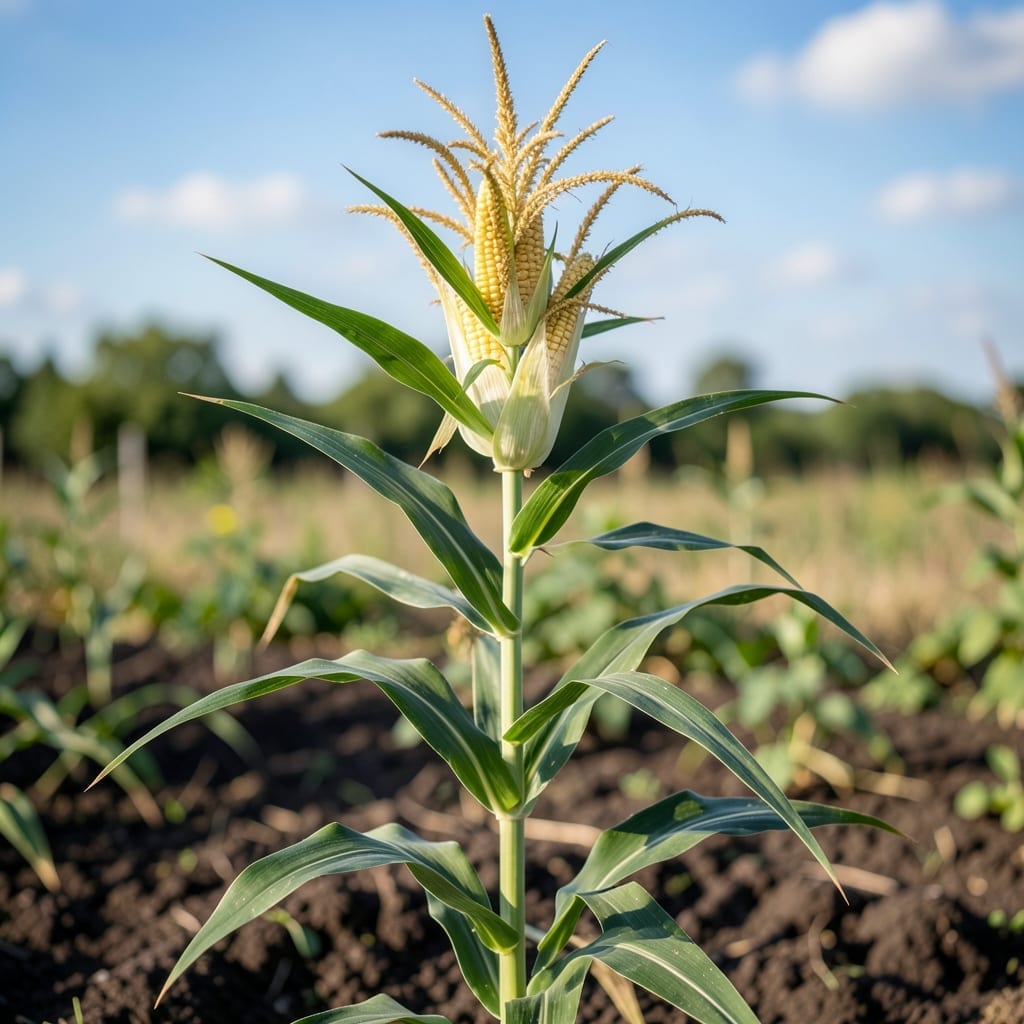
There’s something magical about watching a Popcorn Plant 🌽 grow from a tiny seed into a towering stalk ready for harvest. I remember the first time I saw mine reach full maturity—it was a game-changer for my garden.
Growing your own popcorn isn’t just fun; it’s a rewarding experience that connects you to your food in a whole new way. But to get those perfect, fluffy kernels, you’ll need to understand what a full grown popcorn plant looks like and how to care for it.
From planting in spring to nurturing it through the season, every step matters. I’ll walk you through the essentials so you can enjoy the satisfaction of harvesting your very own popcorn.
Let’s dive into what it takes to grow a healthy, thriving Popcorn Plant that will impress your friends and family.

A full grown popcorn plant is an impressive sight in any garden. When I first grew mine, I was amazed by how quickly it shot up to its mature height of 6 to 10 feet. That’s right—these plants can tower over you!
Unlike sweet corn, popcorn plants are bred for dry, hard kernels, which means they need more time to mature. Their thick stalks and broad leaves create a lush, tropical appearance as they grow. You’ll need to plan for space, as each plant can spread 1 to 2 feet wide.
| Characteristic | Specification |
|---|---|
| Height | 6-10 feet |
| Stalk Thickness | 1-2 inches |
| Leaf Spread | 1-2 feet wide |
| Ear Length | 4-6 inches |
| Spacing Needs | 12-18 inches apart |
The height of your popcorn plant depends on the variety you choose. Dwarf types may stay around 4 to 5 feet, while standard types reach 6 to 10 feet. I’ve found that full sun and rich soil help maximize growth.
It’s fascinating to watch the growth stages. In about 90 to 120 days, your plant will go from seedling to a towering stalk with ears ready for harvest. The tassels appear first, followed by the ears, which develop kernels over time.
For garden planning, remember that each popcorn plant needs 12 to 18 inches of space between plants. Rows should be 30 to 36 inches apart to allow for proper air circulation and growth.
If you’re growing in containers, choose a large pot—at least 5 gallons—to accommodate the root system. Dwarf varieties are better suited for container gardening, as they won’t outgrow their space as quickly.☀️
One thing I love about popcorn plants is their resilience. They handle heat well, but they do need consistent watering, especially during the tasseling and ear development stages. Drought can stress the plants and reduce yield.
The leaves of a full grown popcorn plant are long and broad, often reaching 2 feet in length. They’re a vibrant green and can create a beautiful, dense canopy in your garden. Just be sure to keep an eye out for pests like corn earworms.
When your plant reaches maturity, you’ll notice the husks turning brown and dry. This is a sign that the kernels inside are ready for harvest. The ears will feel firm and full, and the silks will have darkened.
Growing a full grown popcorn plant is a rewarding experience that brings both beauty and function to your garden. With the right care and space, you’ll be amazed at how these plants can transform your outdoor space.🌱
Growing a full grown popcorn plant requires consistent care, but it’s simpler than you might think. I’ve found that well-draining soil and full sun are non-negotiable for strong, healthy stalks. Without these, your plants may struggle to reach maturity.
Popcorn plants thrive in warm conditions and need regular watering, especially during tasseling and ear development. I water mine deeply 1-2 times per week, adjusting for rain and soil moisture.
I’ve learned that mulching around the base helps retain moisture and suppresses weeds. A 2-3 inch layer of organic mulch works wonders without smothering the plants.
Keep an eye out for common pests like corn earworm or aphids. I use neem oil or introduce beneficial insects like ladybugs to keep them in check naturally.
Pruning isn’t typically needed, but removing suckers (side shoots) can direct more energy to the main stalk. I do this carefully to avoid damaging the plant.
Finally, monitor growth stages closely. When tassels appear, it’s a sign your plant is entering the reproductive phase. Proper care now ensures full, plump kernels at harvest time.
🌽