
Beautiful Plants For Your Interior
Beautiful Plants For Your Interior
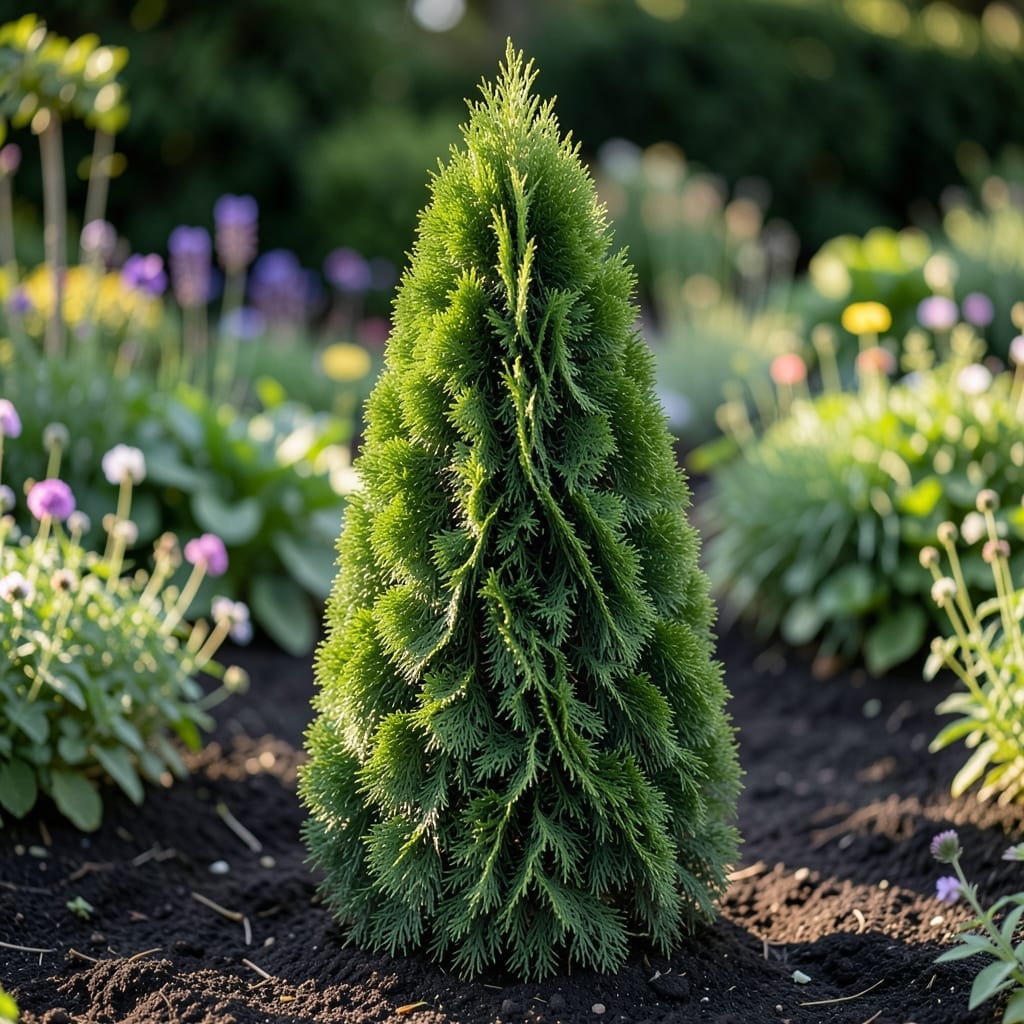
I remember the first time I saw a mature North Pole Arborvitae 🌲 standing tall in a neighbor’s yard. Its dense, pyramid shape was breathtaking, but I had no idea how long it took to reach that size.
Turns out, this evergreen grows to an impressive 10-15 feet tall, but its journey to maturity depends on care, climate, and planting conditions. Getting it right means the difference between a struggling shrub and a landscape showstopper.
Let me walk you through the growth stages, mature size, and the key care tips that ensure your North Pole Arborvitae thrives for years to come.
When I first planted my North Pole Arborvitae, I was amazed at how quickly it started to grow. This evergreen is known for its narrow, pyramidal shape and dense foliage, making it a favorite for privacy screens and ornamental landscapes.
At full maturity, this tree typically reaches 12-15 feet in height with a 4-6 foot spread, though some may grow slightly taller under ideal conditions. Its growth rate is moderate, adding about 6-12 inches per year once established.
| Growth Stage | Height | Timeframe |
|---|---|---|
| Juvenile | 1-2 feet | Year 1 |
| Early Growth | 3-4 feet | Year 2 |
| Established | 5-6 feet | Year 3 |
| Mature | 10-15 feet | 7-10 years |
The maturity timeline for North Pole Arborvitae is about 7-10 years, though this can vary based on growing conditions. In the first few years, you’ll see rapid vertical growth, with the tree filling out its characteristic shape.
Several factors influence how quickly your Arborvitae reaches its full grown size. Full sun exposure (6+ hours daily) accelerates growth, while partial shade may slow it slightly. Well-draining, slightly acidic soil with a pH of 6.0-7.5 is ideal.
Climate zone also plays a role. In USDA zones 3-7, where this tree thrives, consistent moisture and moderate temperatures help it reach maturity faster. In colder zones, growth may be slower during winter months.
I noticed my Arborvitae grew most vigorously in spring and early summer when temperatures were mild. During drought periods, growth slowed until I adjusted my watering schedule to maintain consistent soil moisture.
Proper spacing is crucial for mature size development. Plant your North Pole Arborvitae at least 3-4 feet apart for a dense hedge, or 6-8 feet apart for individual specimens to allow for full spread.
Remember, while this tree is drought-tolerant once established, regular watering during the first 2-3 years helps it establish a strong root system for optimal growth.
With the right care, your North Pole Arborvitae will reward you with its stunning evergreen presence and become a long-lasting landscape feature that enhances your garden’s beauty for decades. 🌲
I’ve learned that the North Pole Arborvitae thrives with consistent care. Proper watering is key—deep soaks once weekly in the first few years help establish a strong root system. In hot summers, I increase this to twice a week to prevent stress.
This evergreen prefers well-draining soil and does best in full sun to partial shade. I always test my soil’s pH to ensure it’s slightly acidic (6.0-7.5), which promotes healthy growth and vibrant foliage.
Mulching is another game-changer. I apply a 2-3 inch layer of organic mulch around the base, keeping it a few inches away from the trunk to prevent rot. This helps retain moisture and suppresses weeds.
When it comes to pruning, less is more. I only trim my Arborvitae to maintain its pyramidal shape or remove any dead or diseased branches. Heavy pruning can stress the tree and stunt its growth.
Fertilizing should be done sparingly. A light application of balanced fertilizer in early spring gives it a boost, but over-fertilizing can lead to excessive foliage growth at the expense of root development.
Finally, keep an eye out for pests and diseases. Spider mites and bagworms can be problematic, especially in dry conditions. Regular inspections and prompt treatment with horticultural oil or insecticidal soap keep my tree healthy.
With these care tips, your North Pole Arborvitae will grow strong and reach its full potential as a stunning landscape centerpiece. 🌲