
Beautiful Plants For Your Interior
Beautiful Plants For Your Interior
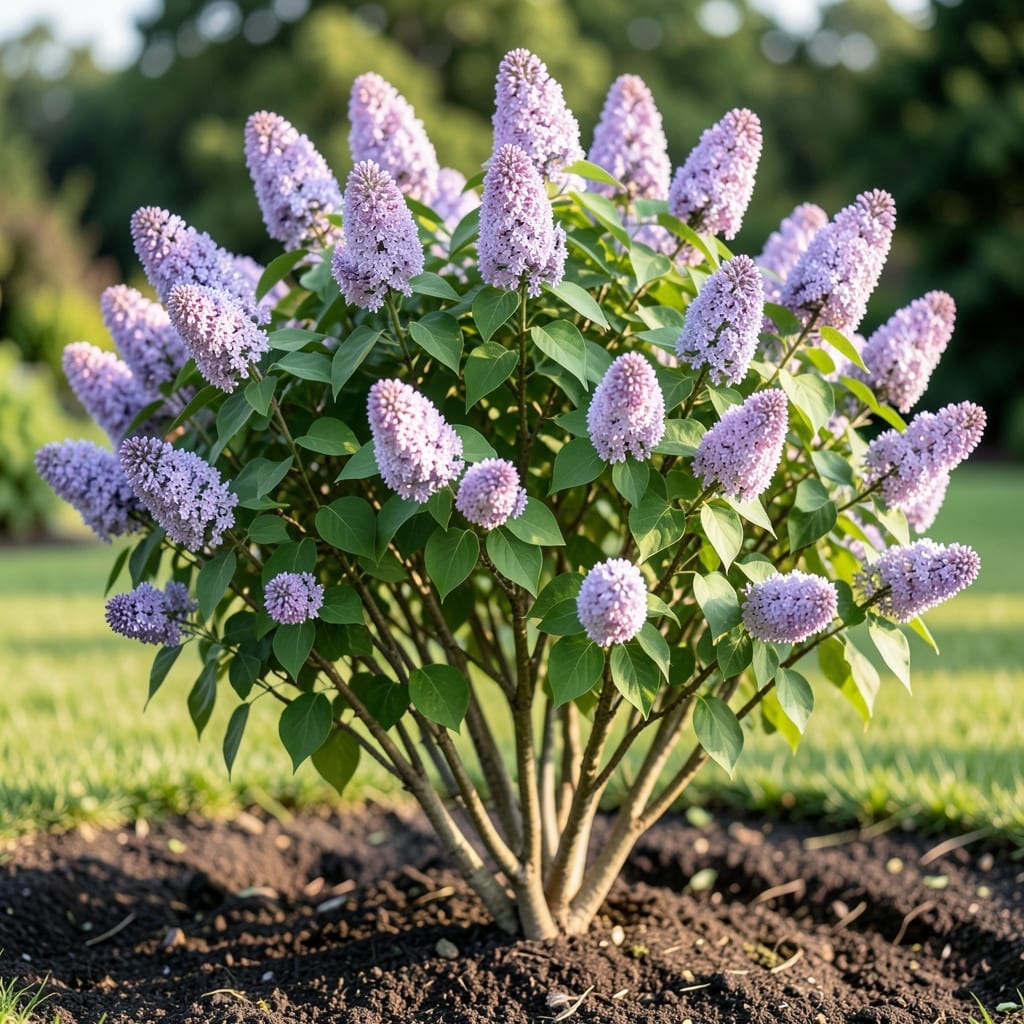
There’s nothing quite like the sight and scent of a full grown 🌸 Lilac Bush in bloom to elevate your garden. These stunning shrubs can reach 8-15 feet tall, creating a dramatic focal point with their vibrant flowers and rich fragrance.
But to keep your Lilac Bush thriving year after year, proper care is essential. From pruning at the right time to ensuring ideal soil conditions, every detail matters for maintaining its beauty.
Discover the key practices that will help your mature lilac produce those gorgeous, fragrant blooms you love. Let’s make your garden the envy of the neighborhood.
A full grown lilac bush needs regular pruning to stay healthy and produce those vibrant blooms we all love. I’ve found that timing is everything—prune right after flowering to avoid cutting off next year’s buds.
Without proper care, lilacs can become overgrown and woody, reducing their flowering potential. The key is annual maintenance that includes thinning, shaping, and deadheading to keep your bush looking its best.
I always recommend using sharp, clean pruners to make precise cuts. This prevents tearing the bark, which can leave your lilac vulnerable to pests and diseases.
Another tip: avoid heavy pruning in late summer or fall. Lilacs set their flower buds in the previous year’s growth, so cutting too late can sacrifice next year’s blooms.
For best results, prune on a dry, sunny day. This helps the cuts heal faster and reduces the risk of fungal infections taking hold in damp conditions.
If your lilac has become overgrown, don’t panic. You can perform a renewal pruning by cutting back the entire bush to about 1-2 feet from the ground. It’s drastic, but it works.
Just remember, renewal pruning should be done in early spring before new growth starts. This gives the plant a full growing season to recover and produce fresh, healthy stems.
Finally, always mulch around the base after pruning to retain moisture and protect the roots. A 2-3 inch layer of organic mulch does wonders for your lilac’s health.
With these care tips, your full grown lilac bush will reward you with lush foliage and abundant, fragrant blooms for years to come ✂️
A full grown lilac bush needs consistent moisture, especially during its growing season. I water mine deeply once a week, ensuring the soil stays moist but never soggy. Remember, overwatering can be just as harmful as drought.
For established lilacs, drought tolerance improves over time, but regular watering during dry spells keeps blooms vibrant. I always water in the early morning to reduce evaporation and prevent fungal issues.
| Requirement | Specification |
|---|---|
| Water Frequency | Weekly deep soak |
| Fertilizer Type | Balanced 5-10-10 |
| Best Fertilizing Time | Early spring/fall |
| Sunlight Needs | 6+ hours daily |
Fertilizing is key to maximizing blooms. I use a balanced 5-10-10 fertilizer in early spring and again after flowering. This promotes healthy growth and abundant flowers the next season.
Avoid high-nitrogen fertilizers, as they can lead to excessive leaf growth at the expense of blooms. A light application in early summer helps maintain vigor without overstimulating the plant.
For best results, apply fertilizer when the soil is moist, and always water thoroughly afterward. This helps distribute nutrients evenly and prevents root burn.
Finally, mulching around the base with organic material helps retain moisture and suppress weeds. I use 2-3 inches of wood chips or compost for optimal results 🌿