
Beautiful Plants For Your Interior
Beautiful Plants For Your Interior
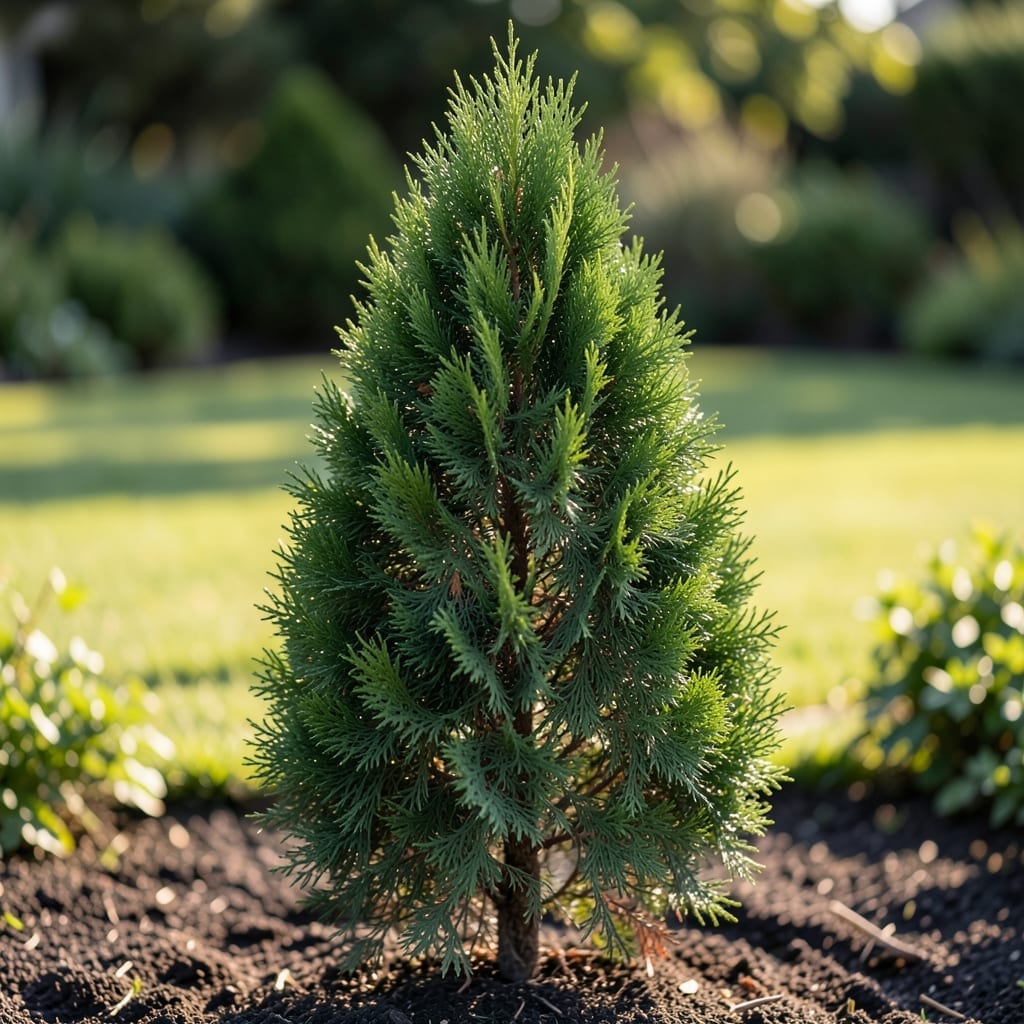
There’s something magical about watching a 🌳 Lemon Cypress Tree reach its full potential. With its vibrant golden foliage and fresh citrus scent, this evergreen brings year-round beauty to any landscape.
Whether you’re planting one as a privacy screen or as a striking focal point, understanding its growth stages is the key to success. I’ll walk you through everything you need to know.
From ideal growing conditions to essential maintenance tips, you’ll discover how to keep your tree thriving for years to come. Let’s get started.
When I first planted my lemon cypress tree, I was amazed at how quickly it transformed my garden. A full grown specimen can reach 10-20 feet tall with a 3-6 foot spread, creating a dramatic vertical accent.
This evergreen stands out with its bright golden-yellow foliage that maintains its color year-round. The citrus scent released when you brush against the needles is absolutely invigorating.
| Characteristic | Specification |
|---|---|
| Mature Height | 10-20 ft |
| Mature Width | 3-6 ft |
| Growth Rate | Moderate (1-2 ft/year) |
| Sunlight Needs | Full sun (6+ hours) |
| USDA Zones | 7-10 |
| Soil Preference | Well-draining, acidic |
The growth rate of these trees is particularly satisfying. In ideal conditions, you can expect 1-2 feet of growth per year, reaching maturity in about 10-15 years. This makes them perfect for creating living fences.
I’ve found they thrive in USDA zones 7-10, where they can enjoy warm summers and mild winters. In colder climates, they make excellent container plants that can be brought indoors during winter.
The needle-like leaves are soft to the touch and emit their citrusy aroma when crushed. This sensory experience is one reason why I recommend planting them near patios or walkways where you’ll brush against them often.
For best results, plant your lemon cypress in well-draining soil with a slightly acidic pH. They’re quite adaptable but perform best when their roots aren’t sitting in soggy soil. I always mix in some compost at planting time.
One of the most striking features is how the foliage color intensifies in full sun. While they can tolerate partial shade, the golden hues are most vibrant with 6+ hours of direct sunlight daily.
These trees maintain their columnar shape naturally, but I like to do light pruning in early spring to encourage denser growth. This helps maintain their neat appearance and prevents them from becoming too leggy.
As they mature, lemon cypress trees develop a dense growth habit that makes them excellent for privacy screens or windbreaks. Their evergreen nature means they provide year-round interest in the garden.
🌳Once your lemon cypress tree reaches maturity, proper care becomes essential for maintaining its vibrant color and healthy growth. I’ve found that these trees are relatively low-maintenance but do best with consistent attention.
Start with a regular watering schedule, especially during the first few years after planting. Mature trees are drought-tolerant but perform best with deep watering every 7-10 days in dry spells.
I always mulch around the base with 2-3 inches of organic material to retain moisture and regulate soil temperature. This is particularly important in hot climates where the soil can dry out quickly.
Pruning is another key aspect of care. While lemon cypress trees maintain their columnar shape naturally, I recommend light trimming in early spring to remove dead branches and encourage denser foliage.
A balanced fertilizer applied every 4-6 weeks during the growing season helps maintain the vibrant golden color. I use a 10-10-10 formula and water it in well to prevent root burn.
Keep an eye out for common pests like spider mites or aphids, which can sometimes affect these trees. A strong spray of water or neem oil usually does the trick if caught early.
🌳