
Beautiful Plants For Your Interior
Beautiful Plants For Your Interior
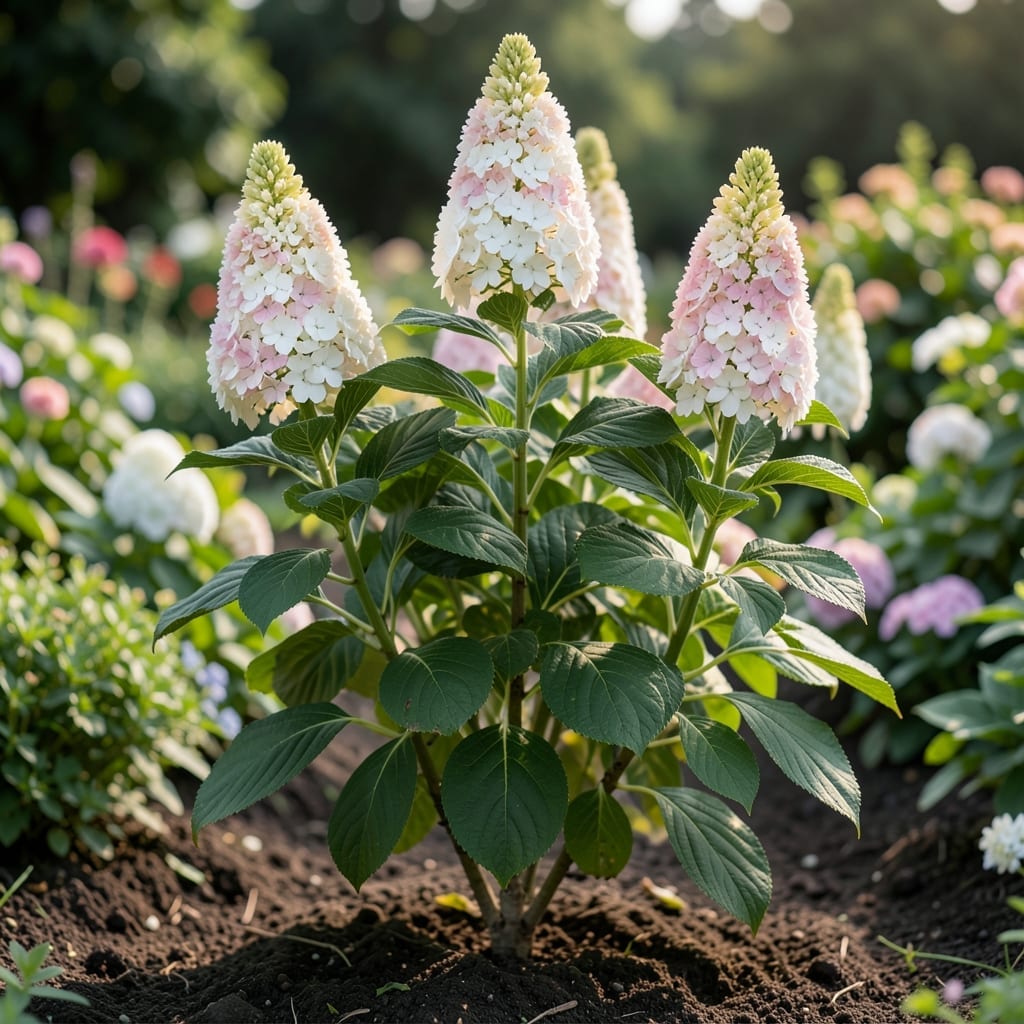
There’s something magical about watching a 🌳 Hydrangea Tree grow from a small sapling into a majestic centerpiece. Its lush foliage and vibrant blooms can transform any outdoor space into a sanctuary.
But achieving that full, healthy growth isn’t just about planting and hoping for the best. It requires understanding its unique needs, from soil conditions to pruning techniques.
Discover how to nurture your Hydrangea Tree into its most stunning form with these essential care tips. Let’s get started on creating the garden of your dreams.
When I see a full grown hydrangea tree in bloom, its towering presence and vibrant flowers always impress me. These trees typically reach 15-25 feet tall with a similar spread, making them perfect as focal points in larger landscapes.
I’ve learned that their mature size varies by variety, with dwarf types staying around 6-8 feet and standard types soaring higher. Their lush canopies provide both beauty and shade when properly maintained. 🌳
| Characteristic | Specification |
|---|---|
| Mature Height | 15-25 ft |
| Mature Spread | 10-20 ft |
| Sunlight Needs | Partial shade (4-6 hours) |
| Soil pH | 5.5-6.5 (acidic to slightly acidic) |
| Water Needs | Weekly deep soak |
I always recommend testing your soil pH before planting, as hydrangeas thrive in slightly acidic conditions. A pH between 5.5-6.5 helps them absorb nutrients effectively and produce those stunning blooms.
The light requirements for a mature hydrangea tree are crucial. I’ve found they do best with morning sun and afternoon shade, especially in warmer climates. This balance prevents leaf scorch while ensuring vibrant flowers.
For watering, I suggest a deep soak once a week during the growing season. In hotter months, you might need to increase this to twice weekly, always watering at the base to keep foliage dry and disease-free.
I’ve noticed that well-draining soil is non-negotiable for these trees. They love moisture but hate soggy roots. Adding organic compost at planting time gives them the perfect start for strong root development. 🌿
The bloom color of your hydrangea can actually change based on soil pH. In my experience, more acidic soil (pH <6) produces blue flowers, while alkaline soil (pH >7) yields pink blooms. This is a fun way to customize your garden’s look!
When it comes to pruning, timing is everything. I always prune my hydrangea trees right after flowering, as they bloom on old wood. This gives the plant time to set new buds for next year’s spectacular display.
Remember that mature hydrangea trees benefit from an annual application of balanced fertilizer. I apply a 10-10-10 formula in early spring and again in mid-summer to support both foliage growth and abundant blooming.
Lastly, I can’t stress enough the importance of mulching. A 2-3 inch layer of organic mulch helps retain moisture, regulate soil temperature, and suppress weeds around your tree’s base. ✂️
I’ve found that a full grown hydrangea tree thrives with consistent seasonal care. Spring is the time to fertilize and prune dead wood, setting the stage for vibrant summer blooms. 🌳
In summer, I focus on deep watering and mulching to retain moisture during heat waves. This keeps the tree healthy and supports continuous flowering through the season.
Fall care involves reducing watering as growth slows, but I always add a fresh mulch layer to insulate roots for winter. This helps the tree store energy for next year’s growth.
When winter arrives, I protect my hydrangea by adding extra mulch around the base. This shields the roots from freezing temperatures and ensures a strong start in spring.
I’ve learned that timely pruning is crucial. For most varieties, I prune immediately after flowering to avoid cutting off next year’s buds. This keeps the tree shaped while maximizing blooms.
Pest control is easier when I monitor leaves regularly. I look for signs of aphids or powdery mildew, treating early with neem oil if needed. Prevention is always better than cure in my garden. 🌿
Finally, I always note that consistent care yields the best results. A little attention each season keeps my hydrangea tree looking its best year after year, with those spectacular blooms I love so much. ✂️