
Beautiful Plants For Your Interior
Beautiful Plants For Your Interior
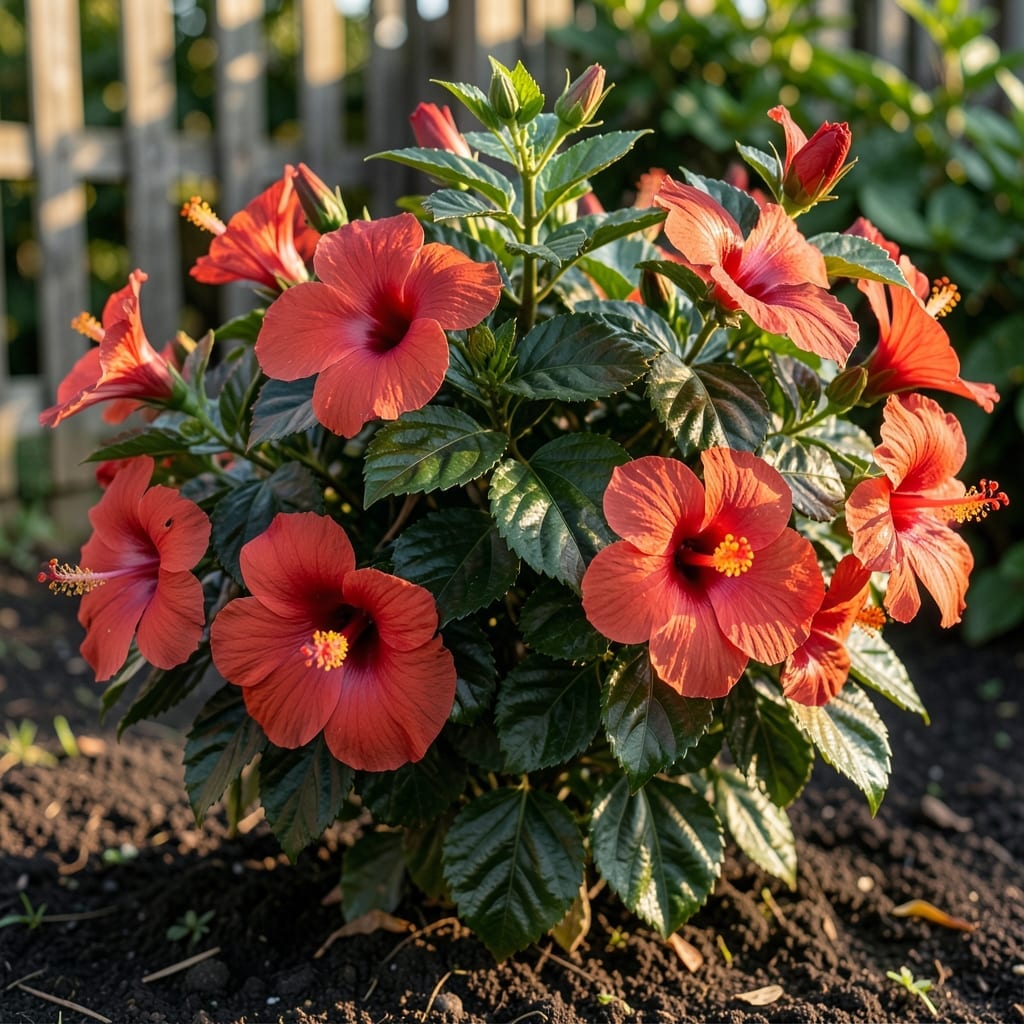
Imagine stepping into your garden and being greeted by the stunning blooms of a full-grown 🌺 Hibiscus bush. It’s a sight that can turn any outdoor space into a vibrant oasis.
But achieving that lush, thriving look takes more than just planting and hoping for the best. Knowing the right size, spacing, and care routines makes all the difference.
I’ve learned that even small adjustments in how you nurture your Hibiscus can lead to bigger, healthier plants. And trust me, the payoff is worth it.
Let me walk you through everything you need to know to help your Hibiscus reach its full potential and become the showstopper of your garden.
When I first planted my hibiscus bush, I was amazed at how quickly it grew. A full grown hibiscus bush typically reaches 8-15 feet tall with a similar spread, creating a dramatic focal point in any garden.
There are two main types to consider: tropical hibiscus stays evergreen in warm climates, while hardy hibiscus dies back in winter but returns each spring with vigor. Both varieties can achieve impressive sizes under ideal conditions.
| Variety | Mature Height | Mature Width | Growth Rate |
|---|---|---|---|
| Tropical Hibiscus | 8-10 ft | 6-8 ft | Moderate to fast |
| Hardy Hibiscus | 4-8 ft | 4-6 ft | Moderate |
| Dwarf Varieties | 3-5 ft | 3-4 ft | Slow to moderate |
The root system of a mature hibiscus is extensive, often spreading 2-3 feet beyond the plant’s canopy. This means you’ll need to give it plenty of space when planting.
I’ve noticed that my hibiscus plants grow most vigorously during the warm months, with new shoots appearing almost daily in spring. The growth rate slows significantly in cooler temperatures.
Seasonal changes affect appearance too. My tropical hibiscus maintains its glossy leaves year-round in my zone 9 garden, while friends in cooler zones report their hardy hibiscus dies back completely each winter.
For the largest blooms, I’ve found that providing full sun (6+ hours daily) and consistent moisture makes a huge difference. The flowers on my sun-drenched plants are often 50% larger than those in partial shade.
The blooming season for a mature hibiscus typically runs from late spring through fall, with each flower lasting just a day but new ones opening daily. Some varieties can produce hundreds of blooms in a single season.
Pruning affects size too. I always prune my hibiscus in early spring to control its size and shape. This not only keeps it manageable but also encourages more abundant blooming as the plant focuses energy on new growth.
Remember that soil quality impacts growth rate. My hibiscus plants in rich, well-draining soil consistently outperform those in poorer soil, often reaching their mature size a full year sooner.
With proper care, your hibiscus bush can become a stunning garden centerpiece that provides years of tropical beauty and abundant blooms 🌺
When planting a full grown hibiscus bush, I always recommend giving it enough space to thrive. Most varieties need 3 to 6 feet between plants to ensure proper air circulation and growth. This prevents overcrowding and reduces disease risk.
For tropical hibiscus, which can reach 8 to 15 feet tall, I suggest planting them at least 5 feet apart. Hardy hibiscus varieties, which are smaller, can be spaced 3 to 4 feet apart. Always check the specific variety’s needs.
I always amend the soil with compost before planting to give my hibiscus a nutrient boost. This helps establish a strong root system for a healthy, full grown bush. Mulching around the base also retains moisture.
For companion planting, I pair hibiscus with low-growing perennials like lavender or salvia. These plants complement the hibiscus without competing for resources. Avoid planting with aggressive spreaders like mint.
If you’re planting in containers, choose a pot at least 2 feet wide and deep. This gives the roots room to grow, even for a full grown hibiscus bush. Ensure the container has drainage holes to prevent waterlogging.
Finally, I always monitor the first few weeks after planting. Adjust watering as needed and watch for signs of stress. With the right spacing and care, your hibiscus will reward you with stunning blooms for years to come 🌺