
Beautiful Plants For Your Interior
Beautiful Plants For Your Interior
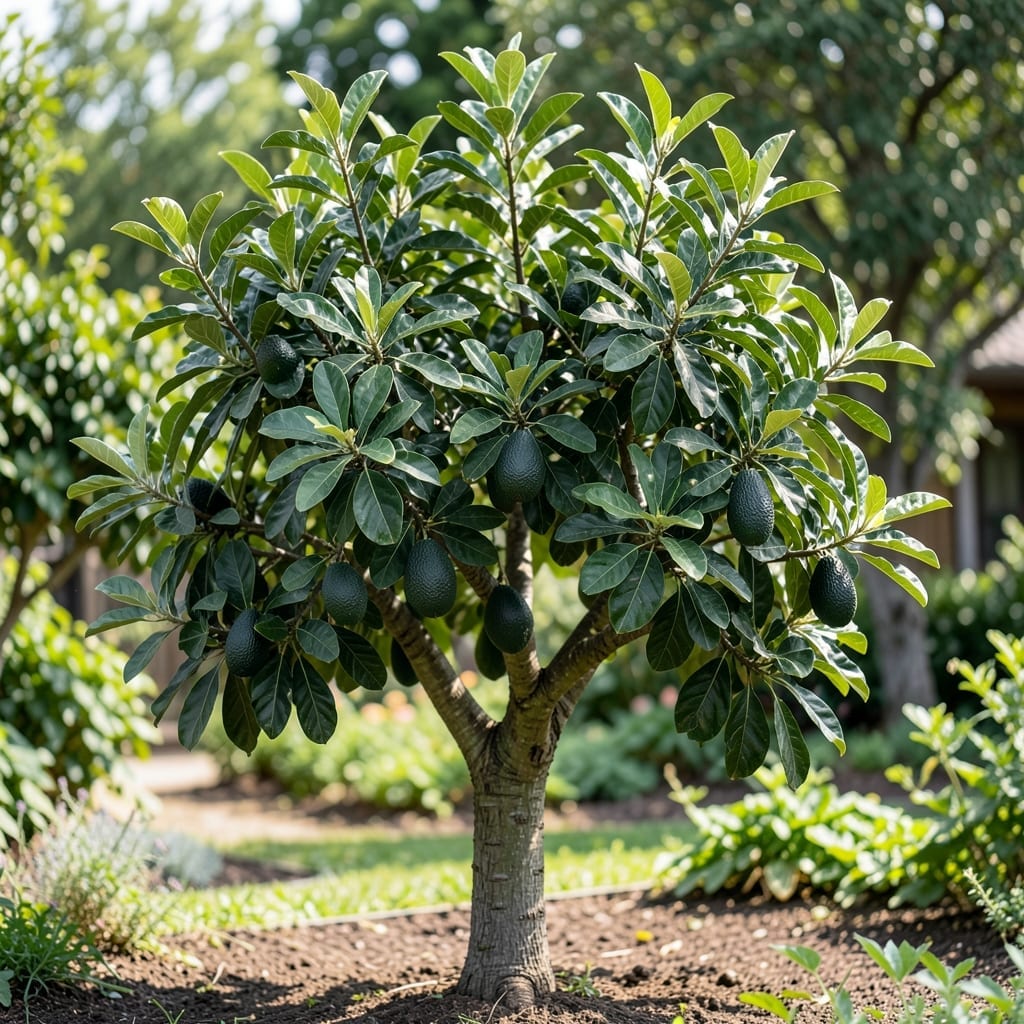
Imagine stepping into your backyard and plucking creamy, homegrown avocados from your very own tree. A full grown Hass avocado tree 🥑 can make this dream a reality, but it demands proper care to thrive.
Pruning plays a most important role in maximizing fruit production and maintaining tree health. Without it, your Hass Avocado Tree might waste energy on unproductive growth instead of delivering those delicious fruits.
I’ve seen firsthand how the right techniques transform a struggling tree into a productive powerhouse. The difference is game-changer when you apply these methods at the right time.
Let me guide you through the essential steps to prune your tree for optimal yield and longevity. The results will speak for themselves.
I’ve seen many gardeners struggle with Hass avocado trees that grow tall but produce little fruit. The secret often lies in proper pruning, which transforms a lush but barren tree into a fruit-packed powerhouse. Pruning isn’t just about aesthetics—it’s science.
When you prune a mature Hass avocado tree, you’re redirecting its energy. Instead of wasting resources on excessive foliage or weak branches, the tree focuses on fruit-bearing wood. This simple step can dramatically increase your harvest.
🌱 Key Takeaway: Pruning Benefits
One of the biggest issues with unpruned avocado trees is poor air circulation. Dense canopies trap moisture, creating the perfect environment for fungal infections like root rot or anthracnose. Strategic pruning opens up the center, letting air flow freely.
Sunlight is another critical factor. A full grown Hass avocado tree can grow 15-30 feet tall, but without pruning, the lower branches get shaded out. By thinning the canopy, you ensure sunlight reaches all parts of the tree, promoting even fruit development.
I’ve noticed that many gardeners fear pruning because they think it will stress the tree. In reality, moderate pruning stimulates new growth. The tree responds by producing more flowering shoots, which means more avocados for you. Just avoid overdoing it—stick to removing no more than 20% of the foliage at once.
Another benefit is disease prevention. Dead or diseased branches are like open doors for pests and pathogens. By removing these problem areas promptly, you keep your tree healthier and more resilient. I always inspect my Hass avocado tree for signs of trouble during pruning sessions.
Don’t forget about structural integrity. A well-pruned tree has a stronger framework, which is crucial for supporting the weight of heavy avocado clusters. Without proper shaping, branches can break under the load, reducing your harvest and potentially damaging the tree.
Finally, pruning keeps your tree at a manageable size. A 30-foot avocado tree is impressive but impractical for most home gardeners. Regular pruning lets you control the height and spread, making harvesting and maintenance much easier.
I’ve found that the best time to prune is in late winter or early spring, just before the growing season starts. This timing gives the tree a chance to recover and puts its energy into new growth and fruit production when it matters most.
Remember, every cut should have a purpose. Whether you’re thinning out crowded branches or removing a crossing limb, think about how it will benefit the tree’s overall health and productivity.
Pruning a full grown Hass avocado tree may seem daunting, but I’ve broken it down into simple steps. The right approach ensures your tree stays healthy and productive for years to come.
Timing is everything. I always prune my Hass avocado tree in late winter or early spring, just before new growth starts. This gives the tree time to recover and channel energy into fruit production.
✂️ Pruning Steps for Success
Start with the right tools for the job. I recommend using sharp bypass pruners for smaller branches and a pruning saw for thicker ones. Always sanitize your tools between cuts to avoid spreading disease.
Begin by removing dead or dying wood. These branches not only look unsightly but also drain the tree’s resources. Next, look for crossing or rubbing limbs—these can cause wounds that invite pests and infections.
Thinning the canopy is crucial for a full grown Hass avocado tree. Aim to remove about 10-20% of the inner branches to open up the center. This improves air circulation and lets sunlight reach the lower branches, promoting even fruit ripening.
Finally, step back and assess the shape. A well-pruned Hass avocado tree should have a balanced, open structure. Avoid topping the tree, as this can lead to weak, unproductive growth. With these steps, you’ll be rewarded with a healthier tree and a bumper crop of avocados. 🌳