
Beautiful Plants For Your Interior
Beautiful Plants For Your Interior
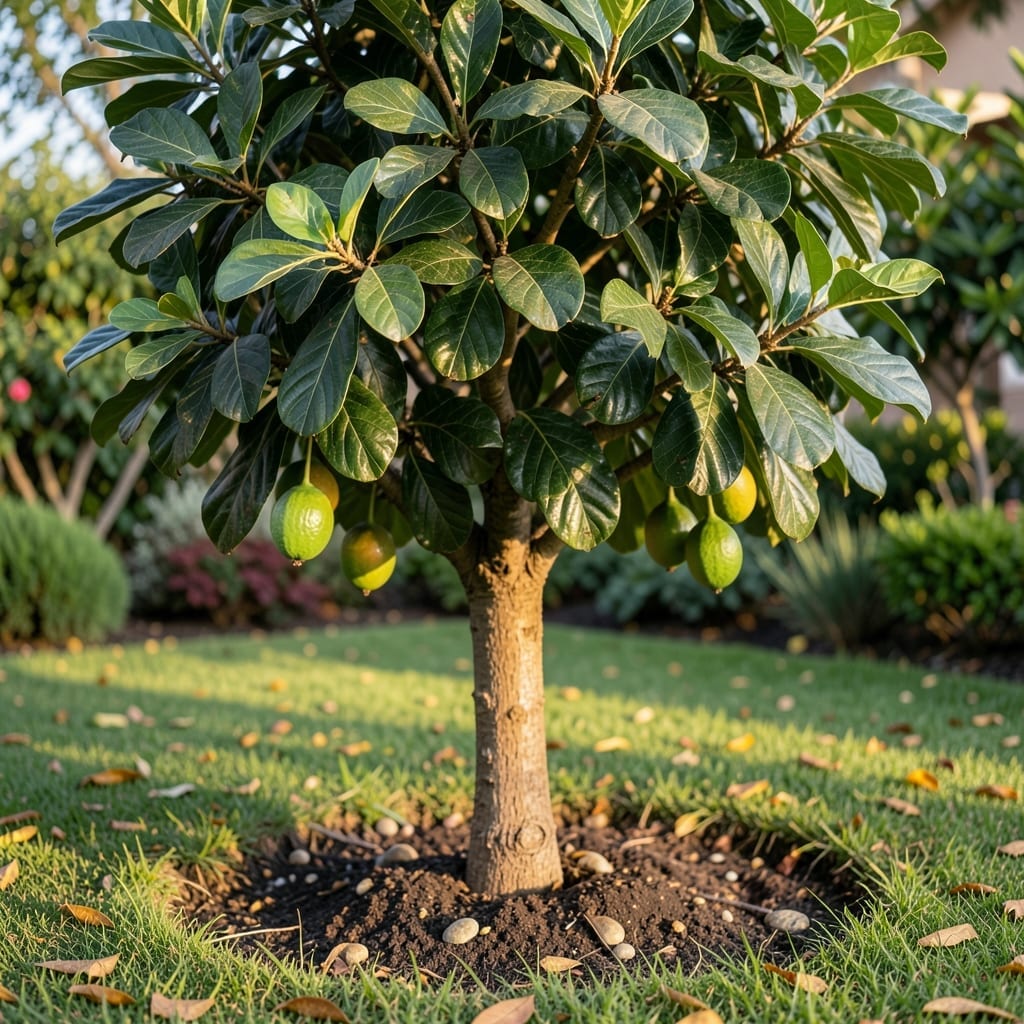
A full grown 🌳 Guava Tree can reward you with sweet, fragrant fruit for decades—if you provide the right care. Whether you’ve inherited a mature tree or nurtured one from a sapling, mastering its upkeep ensures consistent, bountiful harvests.
I’ve seen too many gardeners struggle with uneven fruiting or stunted growth simply because they missed key maintenance steps. The good news? With the right approach, your Guava Tree can thrive year after year.
Discover the essential care tips, from pruning to pest control, that keep your tree healthy and productive. Let’s get started.
A full grown guava tree typically reaches 10-20 feet tall with a spreading canopy that can stretch just as wide. Its shallow root system makes it somewhat drought-tolerant once established, but it thrives best in well-draining soil with consistent moisture.
These trees flourish in USDA zones 9b-11, where they can enjoy full sun exposure for at least 6-8 hours daily. The ideal climate mimics their tropical origins, with warm temperatures and moderate humidity year-round.
| Characteristic | Specification |
|---|---|
| Mature Height | 10-20 ft |
| Canopy Spread | 10-20 ft |
| USDA Zones | 9b-11 |
| Sun Needs | Full sun (6+ hours) |
| Soil Type | Well-draining, loamy |
| Water Needs | Moderate (drought-tolerant) |
The guava tree’s bark is smooth and reddish-brown when young, becoming scaly with age. Its evergreen leaves are elliptical, dark green, and slightly leathery, providing year-round interest in your garden.
Fruit production begins when the tree is 2-4 years old, with white or pink flowers appearing in spring. These fragrant blooms attract pollinators like bees, which are essential for a good fruit set.
For optimal growth, I recommend planting your guava tree in a sheltered location to protect it from strong winds, which can damage its branches. A south-facing spot is ideal for maximizing sunlight exposure.
The tree’s shallow roots benefit from a 2-3 inch layer of mulch around the base, which helps retain moisture and suppress weeds. Just be sure to keep the mulch a few inches away from the trunk to prevent rot.
In colder climates within its range, a light frost may damage new growth, but established trees usually recover quickly. If you’re in zone 9b, consider providing winter protection like frost cloth during unexpected cold snaps.
Guava trees are relatively low-maintenance once established, but they do require regular pruning to maintain their shape and encourage fruiting. I’ll cover pruning techniques in more detail in the next section.
Remember that soil pH matters for guava trees. They prefer a slightly acidic to neutral pH (6.0-7.0). If your soil is too alkaline, you may need to amend it with sulfur or other acidifying agents.
With the right conditions, your full grown guava tree can produce delicious fruit for 20-30 years or more. The key is providing consistent care and addressing any issues promptly. 🌳
To keep your full grown guava tree thriving, I focus on consistent watering—deep soaks weekly in spring and fall, increasing to twice weekly in summer. Morning watering prevents evaporation and fungal issues.
Fertilizing every 4-6 weeks with a high-potassium 8-3-9 blend boosts flowering and fruiting. I apply 1 lb per tree in early morning for best absorption. Always water after feeding to prevent root burn.
Pruning is essential for air circulation and fruit quality. I remove dead branches and thin out crowded areas after harvest. Use clean, sharp tools to prevent disease spread.
Pest control starts with vigilance. Watch for fruit flies and scale insects. I use neem oil as a natural deterrent, applying it every 2 weeks during growing season.
A 2-3 inch mulch layer around the base helps retain moisture. Keep it 3 inches away from the trunk to prevent rot. Organic mulch like wood chips also improves soil as it breaks down.
Finally, harvest fruits when they change color and emit a sweet aroma. They should yield slightly to gentle pressure. Regular care ensures your guava tree produces abundantly for years. 🌳