
Beautiful Plants For Your Interior
Beautiful Plants For Your Interior
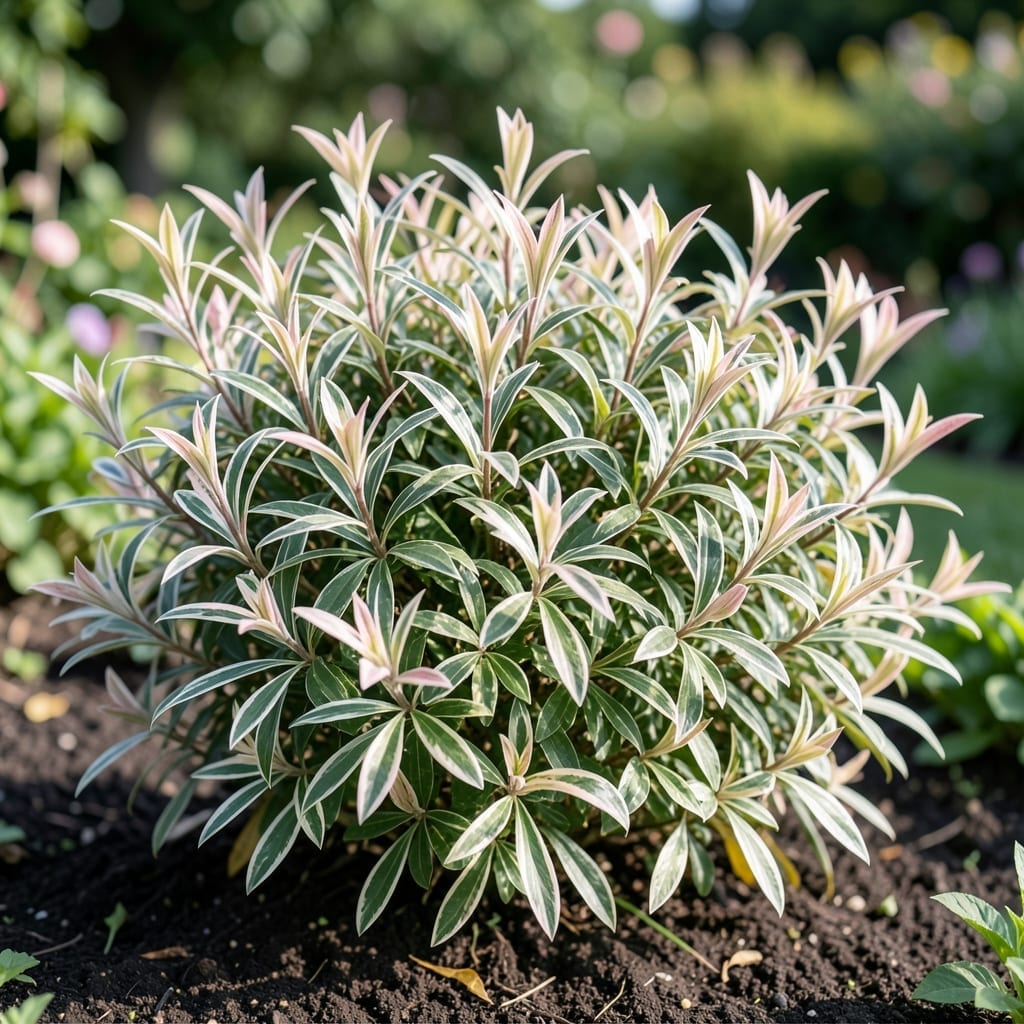
There’s something magical about watching a Dappled Willow Bush 🌿 transform your garden with its stunning variegated foliage. Unlike high-maintenance plants, this shrub thrives with minimal effort while delivering year-round beauty.
I’ve seen how its vibrant colors and graceful growth can elevate any landscape. Whether you’re adding privacy or a splash of color, this adaptable plant fits perfectly in zones 4-9.
Discover how to nurture this beauty from planting to full maturity. The results are worth every moment of care.
A full grown dappled willow bush is a showstopper in any garden. Its variegated foliage features stunning white, pink, and green patterns that change with the seasons. This deciduous shrub brings year-round interest to your landscape.
At maturity, it typically reaches 6-10 feet tall with a similar spread, creating a dense, rounded form. The unique leaf patterns make it stand out among other shrubs in zones 4-9.
🌿 Mature Dappled Willow Bush Characteristics
| Feature | Specification |
|---|---|
| Height | 6-10 feet |
| Spread | 6-10 feet |
| Leaf Color | White, pink, green |
| Growth Rate | Fast |
| Sun Needs | Full sun to partial shade |
| USDA Zones | 4-9 |
In spring, the new growth emerges with bright pink and white hues, gradually maturing to creamy white and green in summer. The fall transformation is equally spectacular as leaves develop soft pink tones.
The fast-growing nature of this shrub means you’ll see significant changes in just one season. I’ve watched mine go from a small sapling to a dense, colorful focal point in just a few years.
Its rounded shape makes it perfect for hedges, privacy screens, or as a standalone specimen. The adaptable nature means it thrives in various soil types, though it prefers moist, well-draining conditions.
What I love most is how the dappled willow retains its visual interest even in winter. The bare branches have a graceful, arching habit that adds structure to the garden when other plants are dormant.
For the best foliage display, plant your willow where it can receive at least 6 hours of sunlight daily. While it tolerates partial shade, the color intensity is most vibrant in full sun.
The low-maintenance nature of this shrub makes it ideal for both beginner and experienced gardeners. Once established, it only requires occasional pruning to maintain its shape.
I’ve found that regular watering during the first year helps establish a strong root system. After that, the plant becomes quite drought-tolerant, though it always looks best with consistent moisture.
One of the most rewarding aspects of growing a dappled willow is watching how it changes throughout the year. Each season brings a new color palette to enjoy, making it a true garden gem 🌿
To keep your full grown dappled willow bush looking its best, start with the right planting location. I always recommend choosing a spot with full sun to partial shade and well-draining soil for optimal growth.
The key to a healthy willow is consistent moisture, especially during the first year. I’ve found that deep watering once a week helps establish strong roots, though you can reduce frequency once established.
🌿 Care Essentials for Dappled Willow
When it comes to pruning your dappled willow, timing is everything. I prefer to prune in late winter or early spring before new growth appears. This helps maintain the rounded shape while encouraging vibrant new foliage.
For fertilizing, a light application of balanced 10-10-10 fertilizer in early spring gives your willow the nutrients it needs. I’ve seen amazing results with just one feeding per year, though you can add a second in summer if growth seems slow.
The mulching step is often overlooked but crucial. I apply a 2-3 inch layer of organic mulch around the base, keeping it a few inches away from the trunk. This simple step helps retain moisture and keeps roots cool during hot summer days.
What I appreciate most about this shrub is its forgiving nature. Even if you miss a watering or two, it bounces back quickly. The vibrant foliage makes all the minimal care worthwhile, creating a stunning focal point in any garden 🌿