
Beautiful Plants For Your Interior
Beautiful Plants For Your Interior
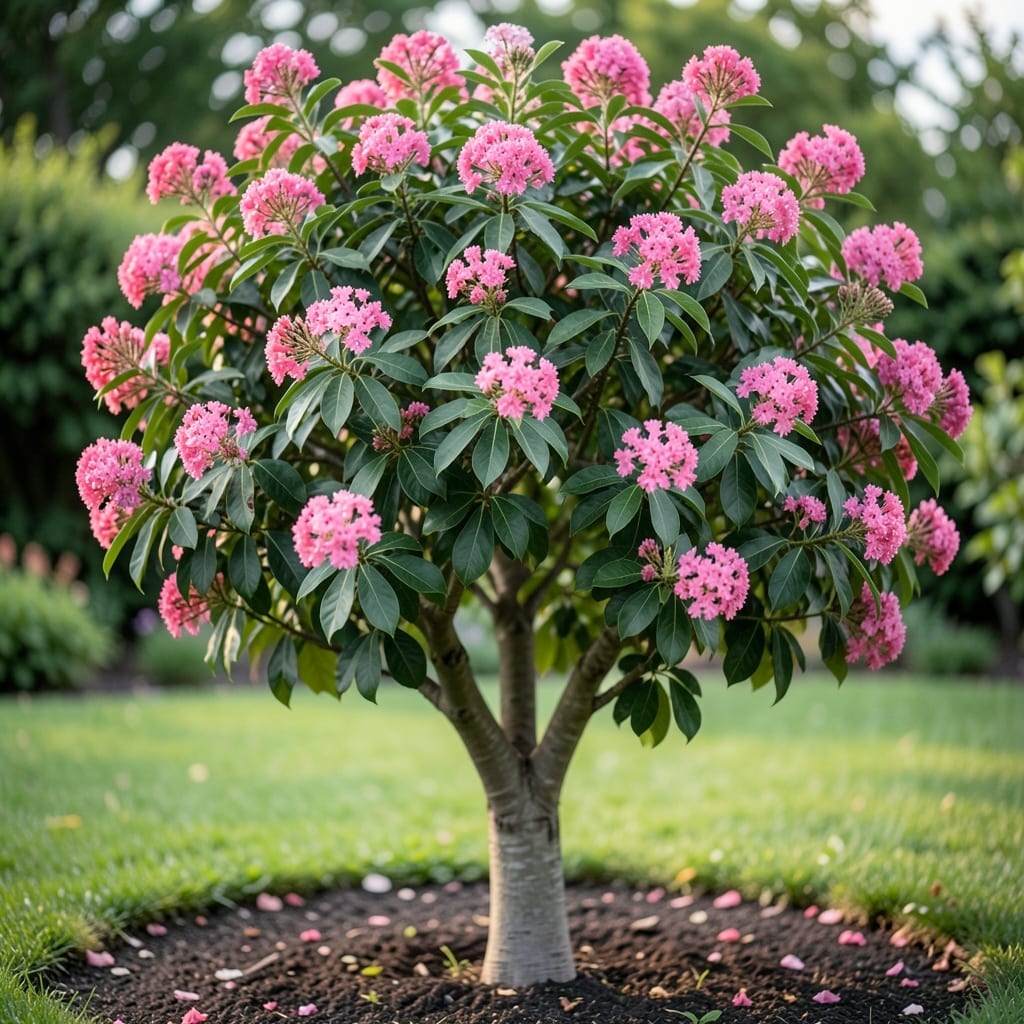
There’s something magical about watching a 🌳 Crape Myrtle reach its full potential, its vibrant blooms painting your landscape with color each summer. But reaching maturity is just the beginning of the journey.
I’ve learned that these trees need consistent care to maintain their health and beauty, especially as they grow taller and more established. It’s not just about planting and forgetting.
Let me walk you through what it takes to keep your mature Crape Myrtle thriving, from pruning techniques to seasonal maintenance tips that make all the difference.
A full grown crape myrtle rewards you with stunning summer blooms and exfoliating bark, but only if you provide consistent care throughout the year. I’ve found that these trees thrive when you adjust your approach with each season.
From spring fertilizing to winter protection, every season demands specific attention. The key is understanding their needs as they mature, especially since they can reach 15-25 feet tall in ideal conditions. 🌳
| Season | Task | Frequency |
|---|---|---|
| Spring | Fertilize with 10-10-10 | Every 6-8 weeks |
| Summer | Deep water during drought | 2x weekly |
| Fall | Light feeding for dormancy prep | Once |
| Winter | Mulch base for root protection | As needed |
In spring, I always start with a light feeding of balanced fertilizer to kickstart growth after dormancy. This helps the tree produce those vibrant flowers we all love. Just remember, more isn’t better—over-fertilizing can lead to leafy growth at the expense of blooms.
Summer care is all about consistent moisture. While mature crape myrtles are drought-tolerant, they perform best with weekly deep soaks. I water mine in the early morning to reduce evaporation and prevent fungal issues.
As fall approaches, I switch to a light fertilizer to help the tree prepare for dormancy. This isn’t the time for heavy feeding—just enough to strengthen the roots before winter. It’s also a good time to inspect for any pest damage or disease.
During winter, your crape myrtle’s needs are minimal, but not zero. I add a thick layer of mulch around the base to insulate the roots from freezing temperatures. This also helps retain moisture, which is especially important in drier climates.
A well-maintained mulch ring is one of the simplest yet most effective ways to care for your tree year-round. I keep mine 3-4 inches deep and 6 inches away from the trunk to prevent rot. This also suppresses weeds and regulates soil temperature.
Don’t forget about pruning—even mature trees benefit from occasional shaping. I remove any dead or crossing branches in late winter to improve airflow and reduce disease risk. This also encourages stronger growth come spring.
Finally, keep an eye out for common issues like powdery mildew or aphid infestations. Regular inspections and prompt treatment can save you a lot of trouble down the line. A healthy crape myrtle is a happy crape myrtle! ✂️
Pruning a full grown crape myrtle is essential for maintaining its shape, health, and vibrant blooms. I’ve learned that timing and technique make all the difference in preventing disease and encouraging strong growth.
The best time to prune is in late winter or early spring, just before new growth starts. This gives the tree time to heal before the growing season begins. Avoid pruning in fall, as it can stimulate new growth that’s vulnerable to cold damage. 🌳
⚠️ Avoid Crape Murder!
Never top your crape myrtle—this harsh pruning leads to weak, unsightly growth. Instead, focus on removing dead, diseased, or crossing branches to improve airflow and structure.
Start by removing any dead or damaged wood, cutting back to healthy tissue. Next, thin out crowded branches to allow light and air to reach the center of the tree. This reduces the risk of fungal diseases like powdery mildew.
For shape maintenance, prune selectively to maintain the tree’s natural form. I like to step back frequently to assess my progress, ensuring I don’t over-prune. Remember, crape myrtles bloom on new wood, so avoid cutting back too far.
Use sharp, clean tools to make smooth cuts at a 45-degree angle just above a bud or branch. This helps the tree heal faster and reduces the risk of infection. Always sterilize your tools between cuts if you’re removing diseased wood.
After pruning, I recommend applying a thin layer of mulch around the base to protect the roots and retain moisture. This also helps suppress weeds that can compete with your tree for nutrients. ✂️