
Beautiful Plants For Your Interior
Beautiful Plants For Your Interior
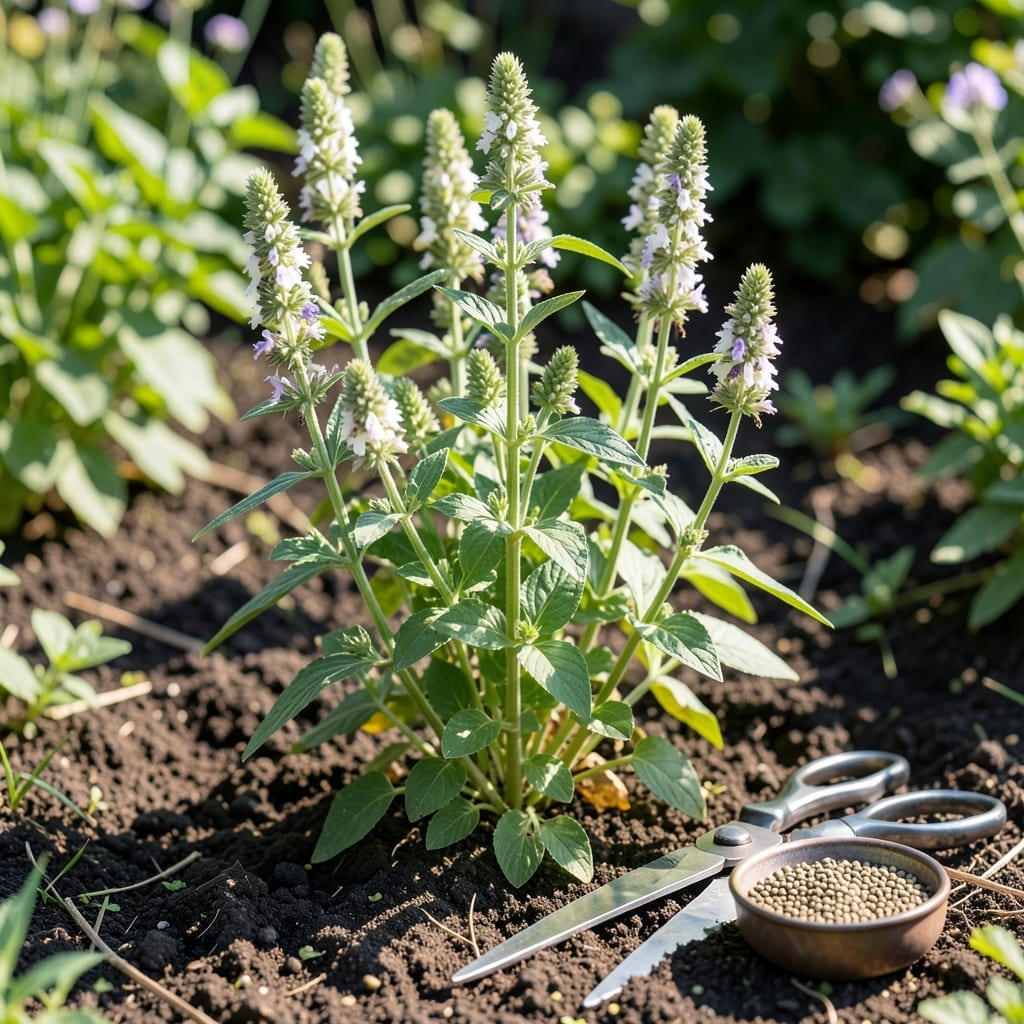
There’s something magical about watching a Chia 🌱 transform from a tiny seedling into a thriving, full grown plant. But the real reward comes when you know how to care for it at maturity.
Many gardeners plant chia seeds in spring only to struggle when the plants reach their peak. The difference between a mediocre harvest and an abundant one often comes down to those final care steps.
I’ve learned through trial and error that timing and technique are everything. Whether you’re growing in Zone 6 or elsewhere, the principles remain the same.
Discover how to nurture your chia plants through their final stages and maximize your seed yield. The secrets are simpler than you think.


Recognizing a full grown chia seeds plant starts with observing its flower development and stem height. Typically, chia plants reach maturity at 2-3 feet tall with dense foliage and vibrant blooms. This stage is crucial for seed production. 🌱
The lifecycle of chia includes germination, vegetative growth, flowering, and seed formation. Each phase has distinct characteristics, but maturity is marked by brown, dry flower heads and dark, hard seeds.
| Stage | Duration | Key Signs |
|---|---|---|
| Germination | 7-14 days | Sprouts appear |
| Vegetative Growth | 30-45 days | Leaves form, stems thicken |
| Flowering | 20-30 days | Purple/white blooms |
| Seed Formation | 30-45 days | Seed pods dry, turn brown |
| Maturity | 90-120 days | Seeds rattle in pods |
At 90-120 days, chia plants are fully mature. I look for dry, brown flower heads and dark seeds that rattle inside. These are clear signs that the plant is ready for harvesting. The stems may yellow slightly at this stage. 🌿
During the vegetative growth phase, chia plants focus on leaf and stem development. This is when they need consistent watering and full sun exposure to build a strong foundation for flowering.
The flowering stage is visually stunning, with purple and white blooms attracting pollinators. This phase is critical for seed production, so I ensure the plants receive 6+ hours of sunlight daily and balanced fertilizer every 4-6 weeks.
As the plant transitions to seed formation, the blooms begin to fade and dry. The seed pods swell and turn brown. This is the time to reduce watering to prevent mold and encourage drying.
I’ve found that chia plants thrive in USDA zones 6-10. In cooler climates, starting seeds indoors and transplanting after the last frost ensures a longer growing season. Well-draining soil is essential to prevent root rot. ✂️
One common mistake is harvesting too early. If the flower heads are still green or the seeds are soft, they’re not ready. Patience pays off—waiting for the seeds to darken and harden ensures a viable harvest.
Finally, a full grown chia seeds plant is a testament to consistent care. From soil preparation to harvest timing, each step contributes to a successful yield. Observing the plant’s progress helps me fine-tune my approach for future crops.
Harvesting chia seeds at the right moment is key to getting the best yield and highest quality. I wait until the flower heads turn brown and dry, which usually happens 90-120 days after planting.
The seeds should be dark and hard to the touch, and you’ll hear them rattling inside the dried pods. If the stems start yellowing, that’s another clear sign your full grown chia seeds plant is ready. ☀️
Harvesting Steps:
I always harvest in the early morning when the humidity is lower to prevent mold. Avoid harvesting if the plant is wet from rain or dew, as this can ruin the seeds.
For maximum seed viability, ensure the drying process is complete before storage. Any remaining moisture can cause spoilage, so I spread the seeds out on a paper towel for a few extra days if needed.
A full grown chia seeds plant can produce up to 1 lb of seeds per plant under ideal conditions. I’ve found that consistent watering and full sun exposure lead to the highest yields. 🌱
Once harvested, store your chia seeds in a cool, dark place to maintain their nutritional quality and germination potential for future planting seasons. ✂️