
Beautiful Plants For Your Interior
Beautiful Plants For Your Interior
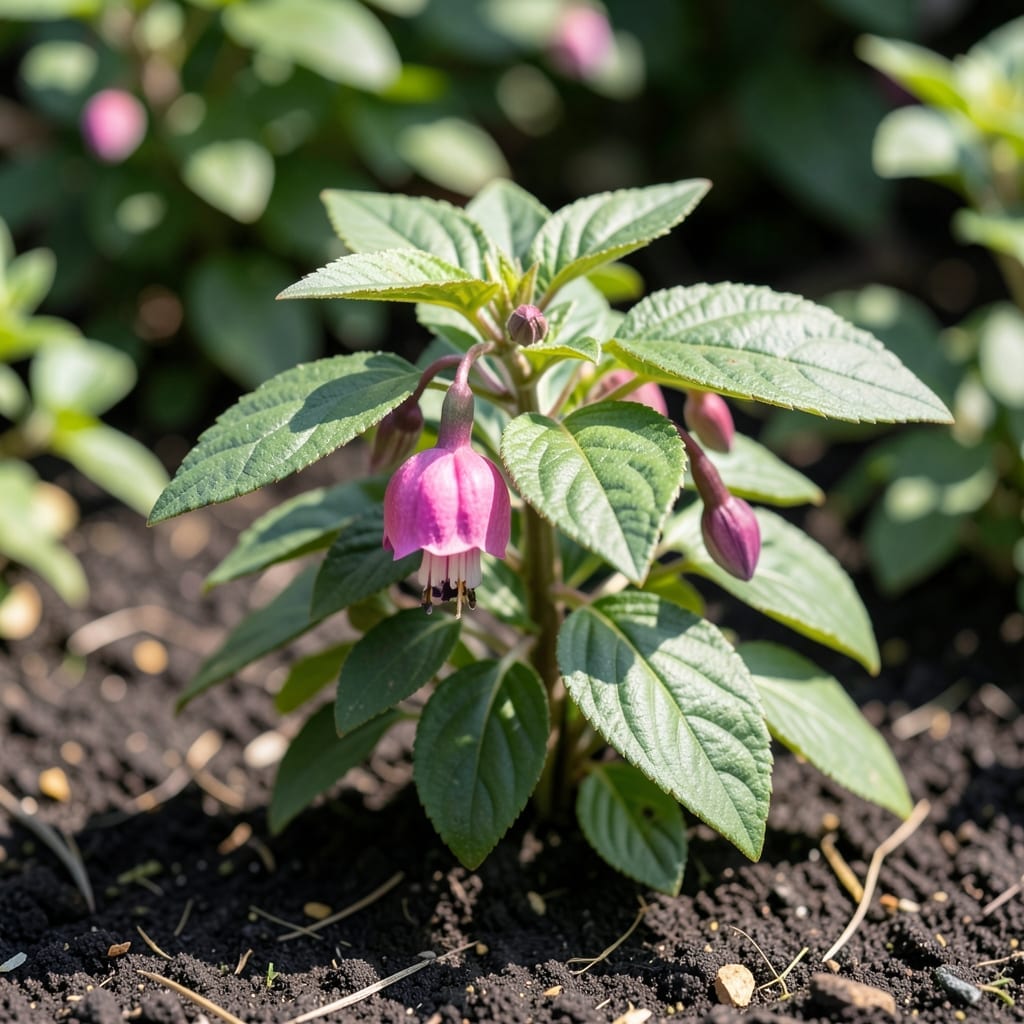
Have you ever admired the vibrant cascading blooms of a 🌸 Fuchsia plant and wondered why yours isn’t thriving? The answer often lies in light exposure. Getting the balance right can feel like a puzzle.
Too much direct sunlight can scorch those delicate flowers, while too little leaves you with sparse, sad-looking foliage. I’ve seen both scenarios play out in my own garden, and trust me, the difference is night and day.
Let me show you how to find that perfect sweet spot where your Fuchsia will flourish with lush growth and abundant blooms. The solution is simpler than you might think.
 Best Window Placement
If you’ve ever watched a Fuchsia plant wilt in harsh sunlight or struggle in deep shade, you know light balance is everything. These beauties thrive in partial shade, but there’s more to it than that simple label.
In my experience, 4-6 hours of sunlight daily works wonders, especially when it’s morning sun with afternoon shade. This combo prevents petal scorch while encouraging vibrant blooms. 🌷
| Requirement | Specification |
|---|---|
| Ideal Light | Filteredsunlight |
| Daily Exposure | 4-6 hours |
| Best Time | Morning sun |
| Shade Needs | Afternoon protection |
The key is understanding that Fuchsias are woodland plants by nature. They’ve evolved under forest canopies, which explains their preference for dappled light over direct sun exposure.
In hotter climates, I’ve found that east-facing locations work best. The gentle morning sun kickstarts photosynthesis without the intensity of midday rays. In cooler areas, a south-facing spot with some shade cloth can work wonders.
Remember that container-grown Fuchsias have more flexibility. You can move them to follow the ideal light conditions as the sun shifts throughout the day. This is especially useful in balconies or patios.
One pro tip I swear by: if you’re growing Fuchsias indoors, place them near an east-facing window. This mimics their natural light preferences perfectly. Just watch for leggy growth, which signals they’re not getting enough light.
For garden beds, consider planting near taller plants that can provide natural shade during the hottest part of the day. I’ve had great success pairing Fuchsias with hostas or ferns for this purpose.
The color of your Fuchsia’s blooms can also give you clues. Darker varieties often tolerate a bit more sun, while lighter colors may need more protection. When in doubt, err on the side of more shade rather than more sun.
With the right light balance, you’ll be rewarded with continuous blooms from spring through fall. It’s all about observing your plants and adjusting as needed. ✂️
I’ve learned that Fuchsia plants speak through their leaves and blooms when light conditions aren’t ideal. Leaf scorching often appears as crispy, brown edges, signaling too much direct sun exposure.
On the flip side, leggy growth with sparse foliage usually means your plant is stretching for more light. I’ve seen this happen when Fuchsias are tucked in deep shade without enough brightness.
Poor flowering is another red flag. If your Fuchsia produces plenty of leaves but few blooms, it likely needs more light to trigger flowering. I’ve fixed this by moving plants to brighter spots with filtered sun.
Yellowing leaves can indicate both over and under-exposure. In my garden, this often appears first on the most exposed leaves, helping me identify whether it’s a sunburn or light deficiency issue.
For container plants, I check the soil moisture too. Fuchsias in too much sun dry out faster, while those in deep shade may stay soggy. Balancing light with proper watering solves most issues.
If you notice these signs, don’t panic. Fuchsias are forgiving and often bounce back quickly once you adjust their light conditions. A simple move to a better spot can work wonders. 🌿