
Beautiful Plants For Your Interior
Beautiful Plants For Your Interior
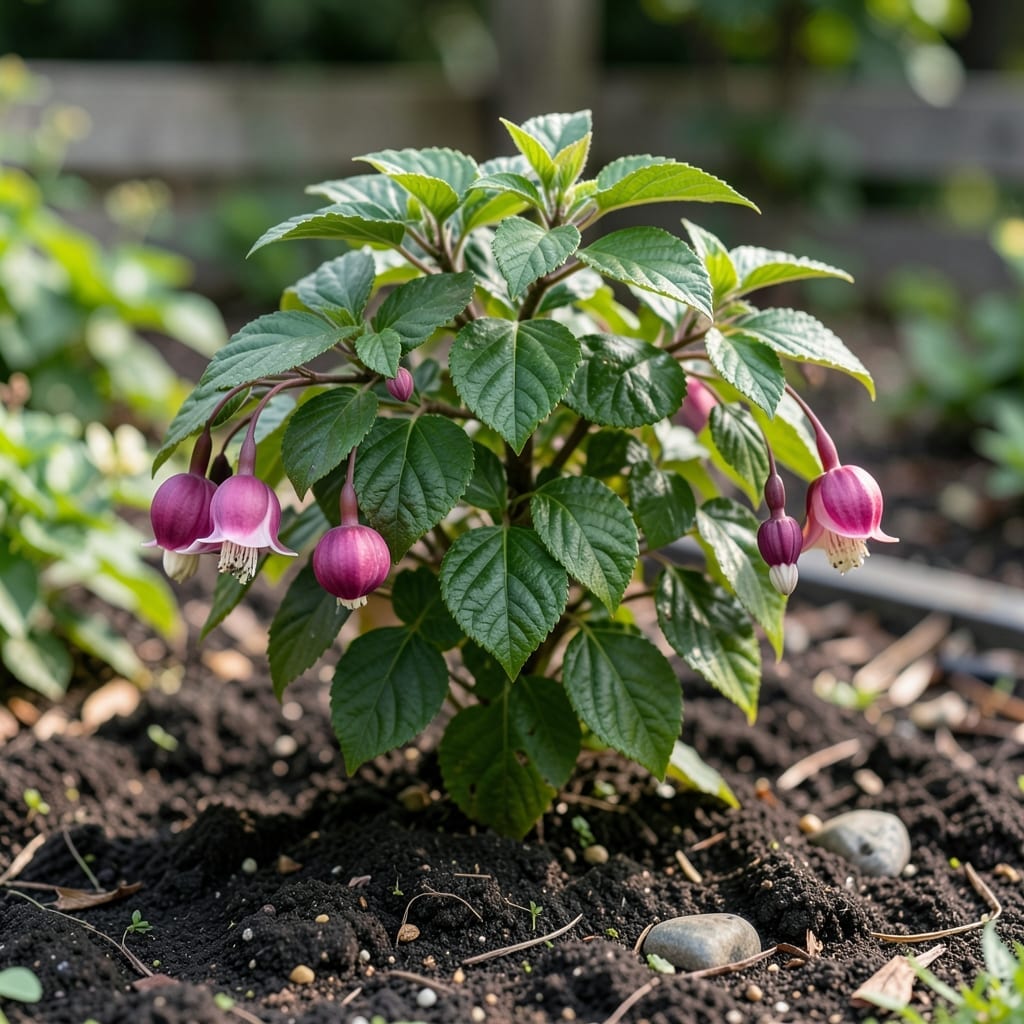
Fuchsia-colored skin images typically show vibrant pinkish-purple tones, often linked to conditions like rosacea, rashes, or infections. These photos help identify abnormal discoloration patterns for medical or cosmetic assessment.
I notice these vivid hues often signal underlying issues like inflammation or circulatory changes. The intensity can vary from soft lavender to deep magenta, depending on the cause and skin tone. Dermatologists use these visual cues to pinpoint everything from allergic reactions to more serious vascular conditions. 💫
💡 In This Article
The fuchsia hue appears due to dilated blood vessels near the skin’s surface, often triggered by inflammation. This occurs when the immune system releases histamines, increasing blood flow to affected areas. The result is a vibrant pink-purple tone that stands out against natural skin pigmentation.
Conditions like rosacea cause persistent fuchsia discoloration because of chronic vascular instability. Meanwhile, allergic reactions may produce temporary fuchsia patches that fade within 24-48 hours. Infections often create localized fuchsia areas with defined borders, sometimes accompanied by warmth or swelling. 🔥
Pattern recognition is key. Rosacea typically presents as central facial redness with visible blood vessels, while contact dermatitis creates irregular fuchsia patches at exposure sites. Autoimmune conditions like lupus may produce a butterfly-shaped fuchsia rash across the nose and cheeks. Each pattern provides clues about the underlying cause.
Severe fuchsia discoloration spreading rapidly or accompanied by fever warrants immediate medical attention. These could indicate serious infections like cellulitis or systemic inflammatory responses. For persistent fuchsia tones lasting over 2 weeks, consult a dermatologist to rule out chronic conditions. ✨
Skin tone affects fuchsia visibility. On lighter skin, the color appears more vibrant, while on darker skin it may present as deep purple or grayish tones. This variation makes professional assessment crucial, as the same condition might look different across individuals. Always compare symptoms to multiple reference images for accuracy.
It usually comes from dilated blood vessels near the surface, triggered by inflammation. The immune response increases blood flow, creating that vibrant pink-purple tone against your natural skin color.
Allergic reactions often fade within 24-48 hours. Chronic conditions like rosacea may cause persistent discoloration. Infections might last 1-2 weeks but should improve with treatment.
On lighter skin, it appears as bright pink-purple. On darker skin, it may look deep purple or grayish. The same condition can present differently, so professional assessment is always recommended.
Seek immediate care if it spreads rapidly or comes with fever. For persistent tones lasting over 2 weeks, consult a dermatologist to rule out serious conditions.