
Beautiful Plants For Your Interior
Beautiful Plants For Your Interior
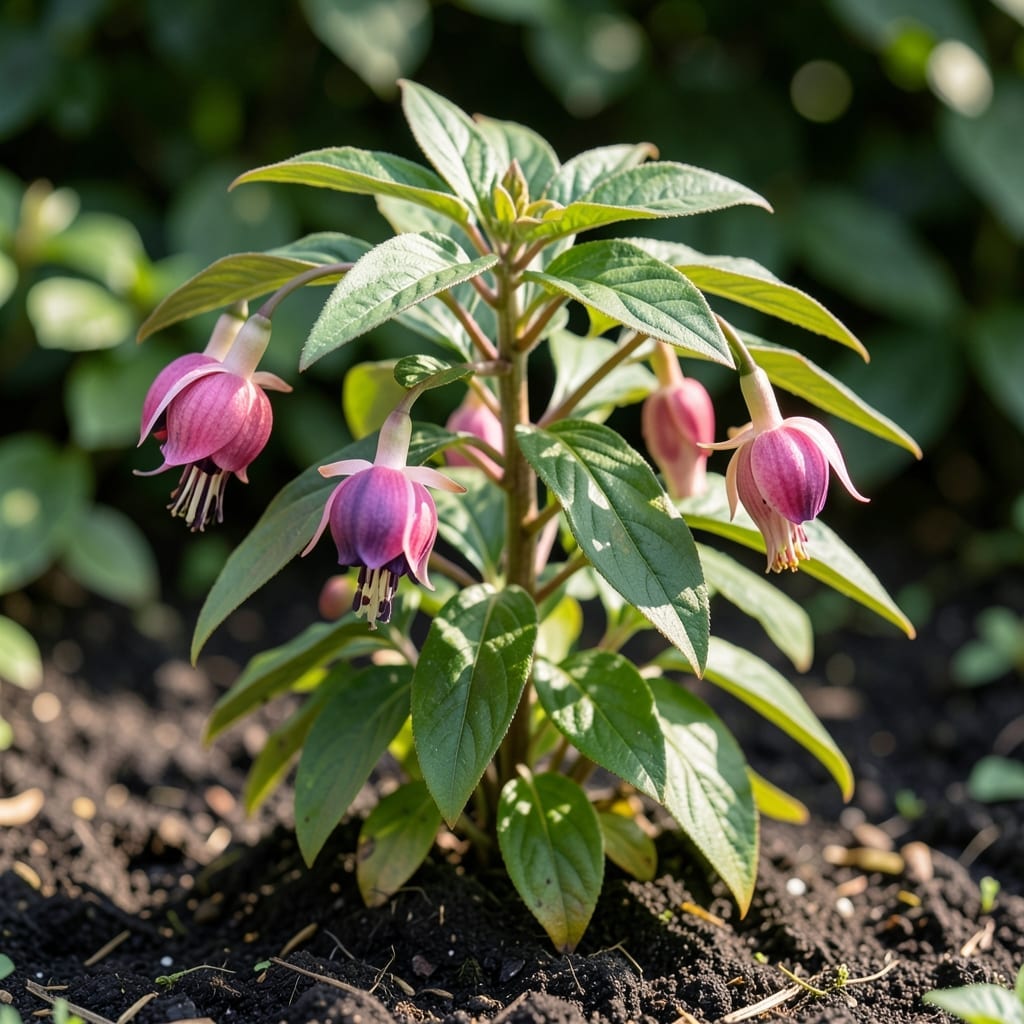
Watching your Fuchsia plants burst into colorful blooms is one of the most rewarding moments for any gardener. But knowing exactly when to expect those vibrant flowers can be tricky.
Timing varies by climate, variety, and care, leaving many of us guessing. I’ve learned that understanding these factors makes all the difference in enjoying a spectacular display.
From hardy to tender varieties, each Fuchsia has its own rhythm. The good news? With the right knowledge, you can predict and even extend your bloom season.
Discover how to time your garden’s showstopping moments and keep those gorgeous flowers coming all season long.
If you’ve ever wondered when your fuchsia plants will burst into color, the answer depends on the variety and your local climate conditions. Most fuchsias begin blooming in late spring to early summer, but timing can shift dramatically.
Hardy fuchsias in cooler zones often start flowering in June, while tender varieties in warmer areas may begin as early as April. Understanding these differences helps you anticipate and enjoy the show.
| Variety | USDA Zone | Bloom Start | Peak Season |
|---|---|---|---|
| Hardy Fuchsia | 6-8 | June | July-Sept |
| Tender Fuchsia | 9-11 | April-May | May-Oct |
| Trailing Fuchsia | 7-10 | May | June-Sept |
In my garden, I’ve noticed that trailing fuchsias often bloom 2-3 weeks earlier than upright types. This is because their growth habit allows them to establish faster in hanging baskets.
USDA zones play a huge role in bloom timing. In zone 6, you’ll typically see flowers in late June, while zone 9 gardeners might enjoy blooms as early as March if they protect plants from late frosts.
For early blooms, choose varieties like ‘Gartenmeister Bonstedt’ or ‘Thalia’. These are known to flower 4-6 weeks sooner than other types, giving you color when other plants are just getting started.
Late bloomers like ‘Dollar Princess’ often wait until midsummer to show their colors. If you’re in a cooler climate, consider starting these indoors to extend your blooming season.
I always recommend tracking your local last frost date. In most areas, fuchsias can go outside 2-3 weeks after the last frost, which gives them time to establish before blooming begins.
Remember that container-grown fuchsias often bloom earlier than in-ground plants. The controlled environment and warmer root zone in pots can accelerate growth and flower production.
For the longest bloom season, I plant a mix of early, mid, and late varieties. This way, I get continuous color from early summer through the first frost, with minimal gaps between bloom cycles.
With proper care and variety selection, you can enjoy fuchsia flowers for 4-5 months each year, making them one of the most rewarding plants in my garden 🌸
I love seeing my fuchsia plants covered in vibrant blooms, and with a few simple tricks, you can keep them flowering longer. The key is consistent care and paying attention to their needs.
First, focus on deadheading spent flowers regularly. This encourages the plant to produce more blooms instead of setting seed. I do this weekly during peak flowering.
I’ve found that balanced fertilizer works best for my fuchsias. I apply it every 4-6 weeks during the growing season, which keeps the blooms coming. Just
Proper watering is crucial too. Fuchsias prefer consistently moist soil but hate soggy roots. I water mine deeply once a week, adjusting for rain or heat waves.
Light conditions make a big difference. My fuchsias thrive with 4-6 hours of morning sunlight and protection from harsh afternoon rays. This prevents heat stress that can shorten bloom time.
Finally, don’t forget to pinch back new growth. This simple step creates a fuller plant with more flowering stems. I do this in early spring for best results.
With these care tips, you can enjoy months of colorful fuchsia blooms in your garden ☀️