
Beautiful Plants For Your Interior
Beautiful Plants For Your Interior
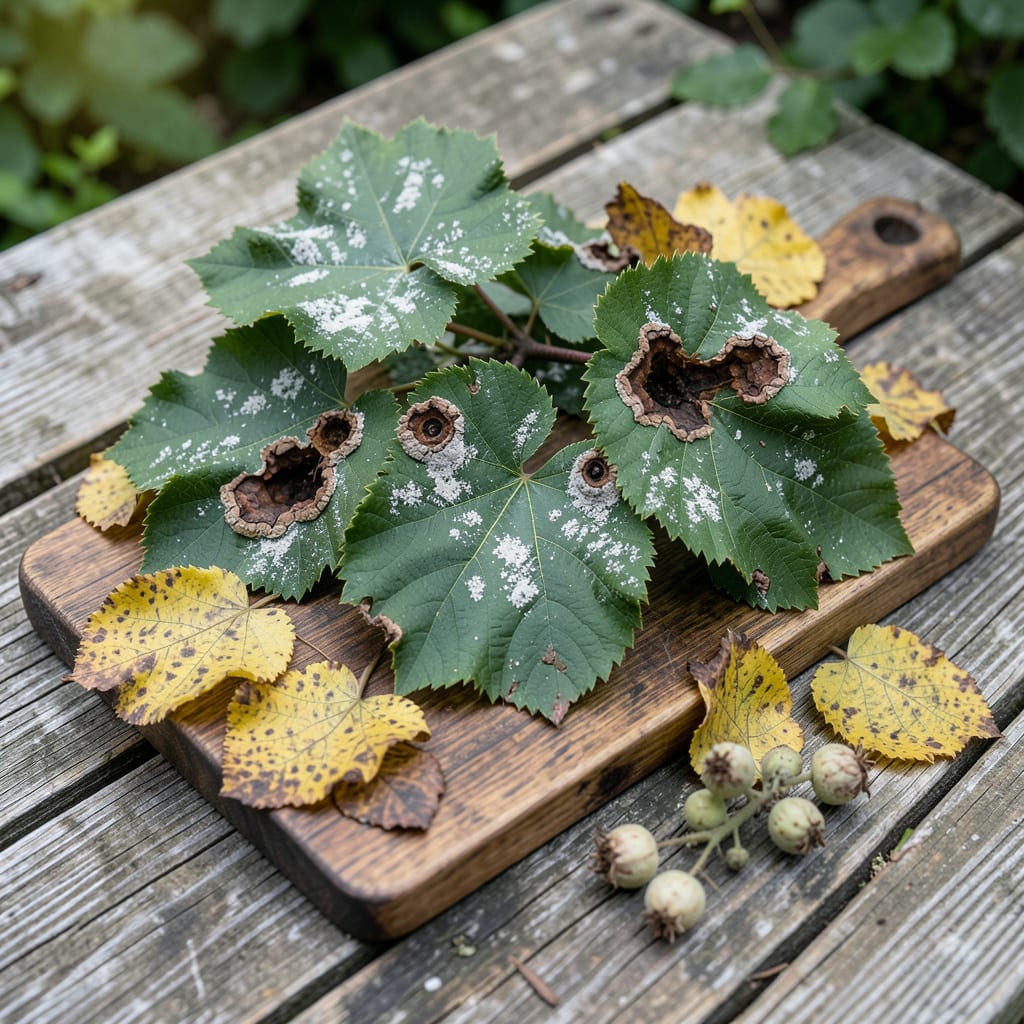
Your fruitless mulberry’s leaves turning yellow or brown? It’s not just drought stress. I’ve seen these trees bounce back from issues that looked hopeless at first glance.
Early signs often get missed—spots on leaves, early leaf drop, or stunted growth. Most problems start with poor air circulation or wet conditions, but the fixes are simpler than you’d think. Natural remedies work surprisingly well.
With the right approach, you’ll see new growth within 2-3 weeks. The key is catching it early and acting consistently. These trees are tougher than they look.
Works for established trees and young plantings alike. Here’s how to spot and stop the most common threats.
Understanding why fruitless mulberry trees fall prey to diseases starts with recognizing the underlying causes. These trees, while hardy, are not immune to environmental stress, pathogens, or poor cultural practices. Below are the primary reasons diseases take hold, along with the science behind each.
Extreme weather conditions, such as drought, waterlogging, or sudden temperature fluctuations, weaken the tree’s natural defenses. Stress triggers the production of ethylene, a plant hormone that accelerates aging and susceptibility to infections. For example, Phytophthora root rot thrives in overly wet soil, while powdery mildew spreads rapidly in high humidity.
Fungal, bacterial, and viral pathogens are major culprits. Fungi like Verticillium or Fusarium invade the vascular system, blocking water and nutrient transport. Bacterial leaf spot (Xanthomonas arboricola) enters through wounds or stomata, causing lesions. Viruses, though less common, can spread via infected tools or grafting, leading to stunted growth and discoloration.
Pests such as aphids, scale insects, or borers create entry points for diseases. Aphids, for instance, excrete honeydew, which fosters sooty mold growth. Borers tunnel into the bark, introducing wood-rotting fungi like Ganoderma. Regular monitoring and early pest control can significantly reduce disease risk.
Improper planting depth, lack of pruning, or nutrient deficiencies (e.g., nitrogen or potassium) compromise tree health. Over-fertilization, especially with high-nitrogen formulas, can promote excessive foliage growth at the expense of disease resistance. Additionally, compacted or poorly draining soil restricts root development, making trees more vulnerable to root diseases.
Dealing with diseases in your fruitless mulberry tree doesn’t have to be overwhelming. Here’s how to tackle common issues with practical, easy-to-follow solutions.
If you notice white, powdery spots on leaves, prune dense branches to boost airflow. Remove and destroy infected leaves to stop the spread. For treatment, spray with neem oil or sulfur-based fungicides every 7–10 days until symptoms fade. Prevention tip: 💡 Space trees properly and water at the base to keep foliage dry.
Brown or black spots on leaves often signal fungal or bacterial leaf spot. Rake and dispose of fallen leaves to eliminate spores. Apply copper fungicide or a baking soda solution (1 tsp baking soda + 1 quart water + a drop of dish soap) to affected areas. Prevention tip: 🌡️ Avoid overhead watering and sanitize pruning tools between cuts.
Aphids, scale, or mites weakening your tree? Blast pests off with a strong water spray or introduce beneficial insects like ladybugs. For stubborn cases, use horticultural oil or insecticidal soap, applying in the early morning or late evening. Prevention tip: ✨ Inspect leaves regularly and maintain tree vigor with balanced fertilization.
Yellowing leaves and wilting may indicate root rot from poorly drained soil. Improve drainage by amending the soil with compost or creating small mounds around the base. For advanced cases, treat with a phosphorus-based fungicide. Prevention tip: 🎯 Plant in well-draining soil and avoid overwatering.
Look for yellowing leaves, dark spots, or early leaf drop. White powdery residue often signals mildew, while wilting may indicate root issues. Catch these early for the best recovery.
Yes! A baking soda spray (1 tsp baking soda + 1 quart water) works for leaf spots. Neem oil is effective against mildew and pests. Always test on a small area first.
Check leaves and bark weekly during growing season. Pay extra attention after rain or extreme heat. Early detection means simpler solutions.
