
Beautiful Plants For Your Interior
Beautiful Plants For Your Interior
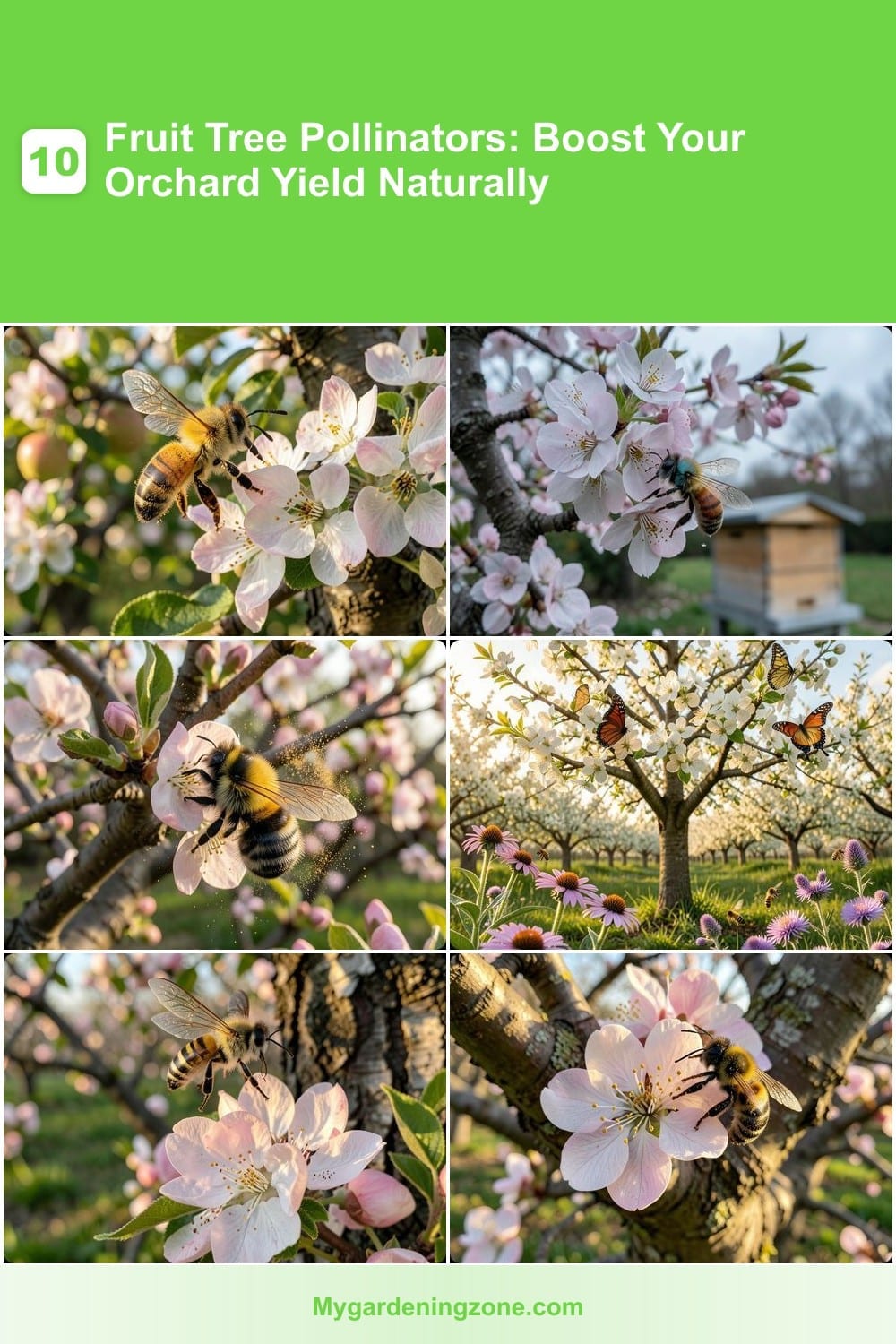
Struggling with low fruit yields in your orchard? These ten natural pollinators can dramatically improve fruit set by ensuring proper cross-pollination. Discover which beneficial insects and animals to attract for a bountiful harvest.
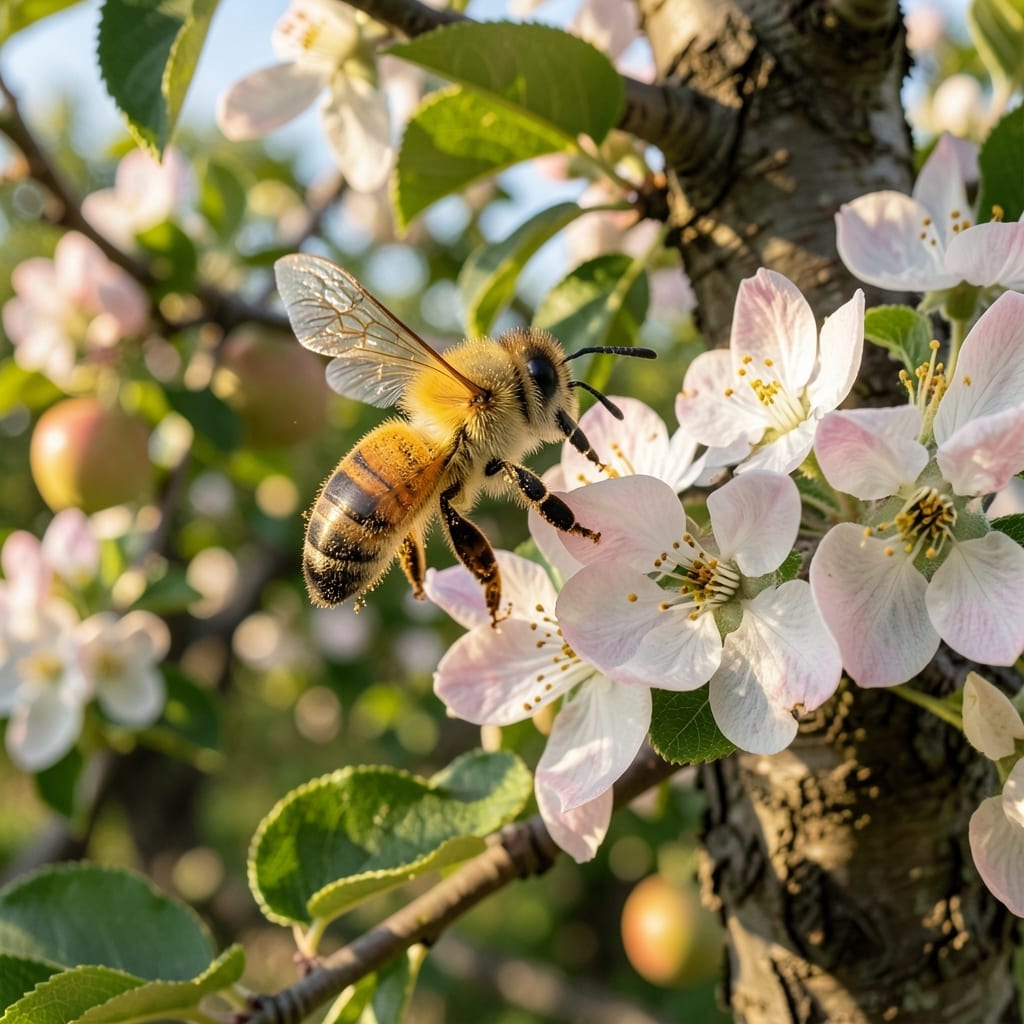
Without honey bees, your apple trees might produce far fewer fruits than they’re capable of. These tireless workers visit up to 5,000 flowers per day, making them the gold standard for pollinating apple blossoms in both backyard and commercial orchards.
Their fuzzy bodies pick up and distribute pollen efficiently as they move from flower to flower. To attract them, plant early-blooming wildflowers nearby and avoid pesticides during blossom season. A single colony can service an entire orchard.
Home growers and commercial farmers alike rely on these pollinators for maximum yields. Their presence ensures better fruit set and healthier trees. 🌿
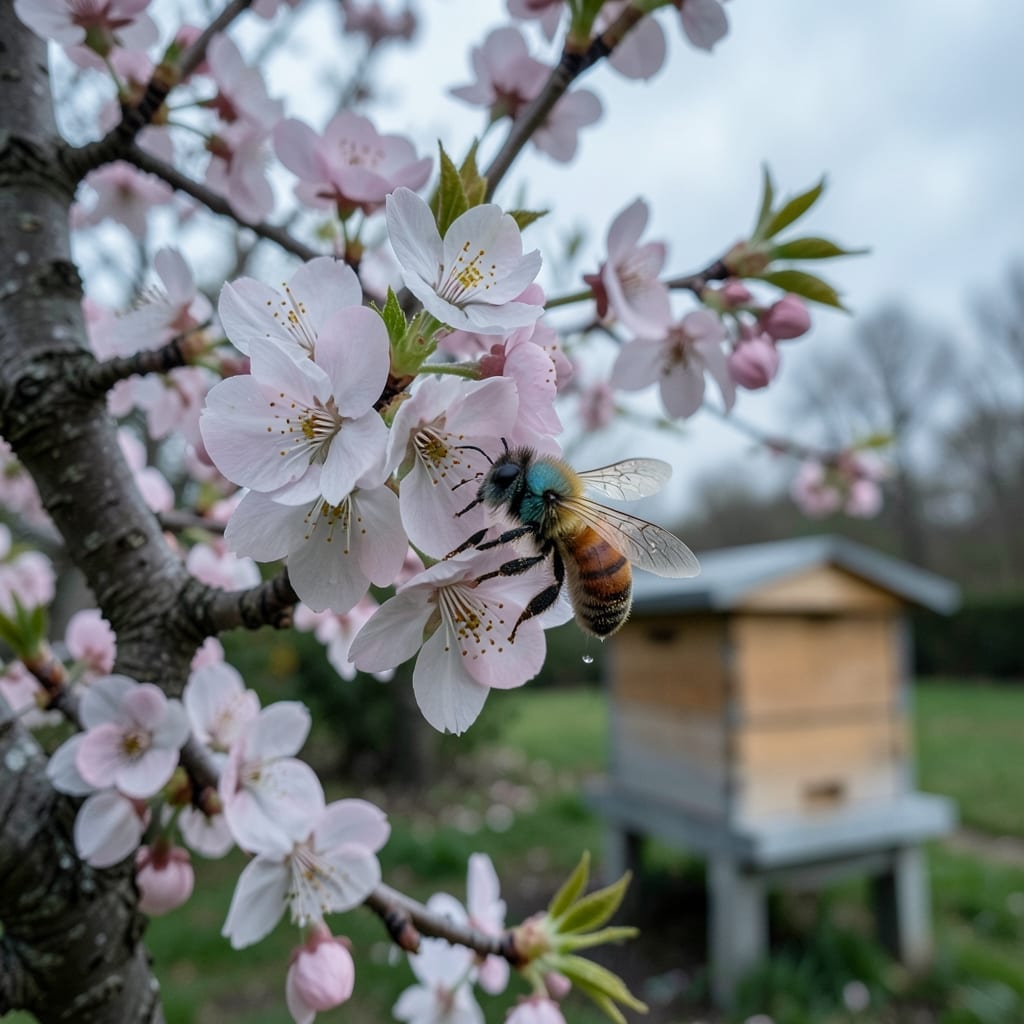
Early-blooming cherry trees often miss out on pollination because honey bees stay in their hives during cool spring mornings. That’s where mason bees come in—they’re active in temperatures as low as 50°F, making them perfect for cherry blossoms.
These solitary bees don’t produce honey but are 100 times more efficient at pollinating than honey bees. They carry pollen on their bellies and visit more flowers per minute. Provide nesting tubes to encourage them to stick around your orchard.
Cherry growers in cooler climates will see the biggest boost from these hardworking pollinators. Their early activity ensures better fruit set even when honey bees are still inactive. 🌱
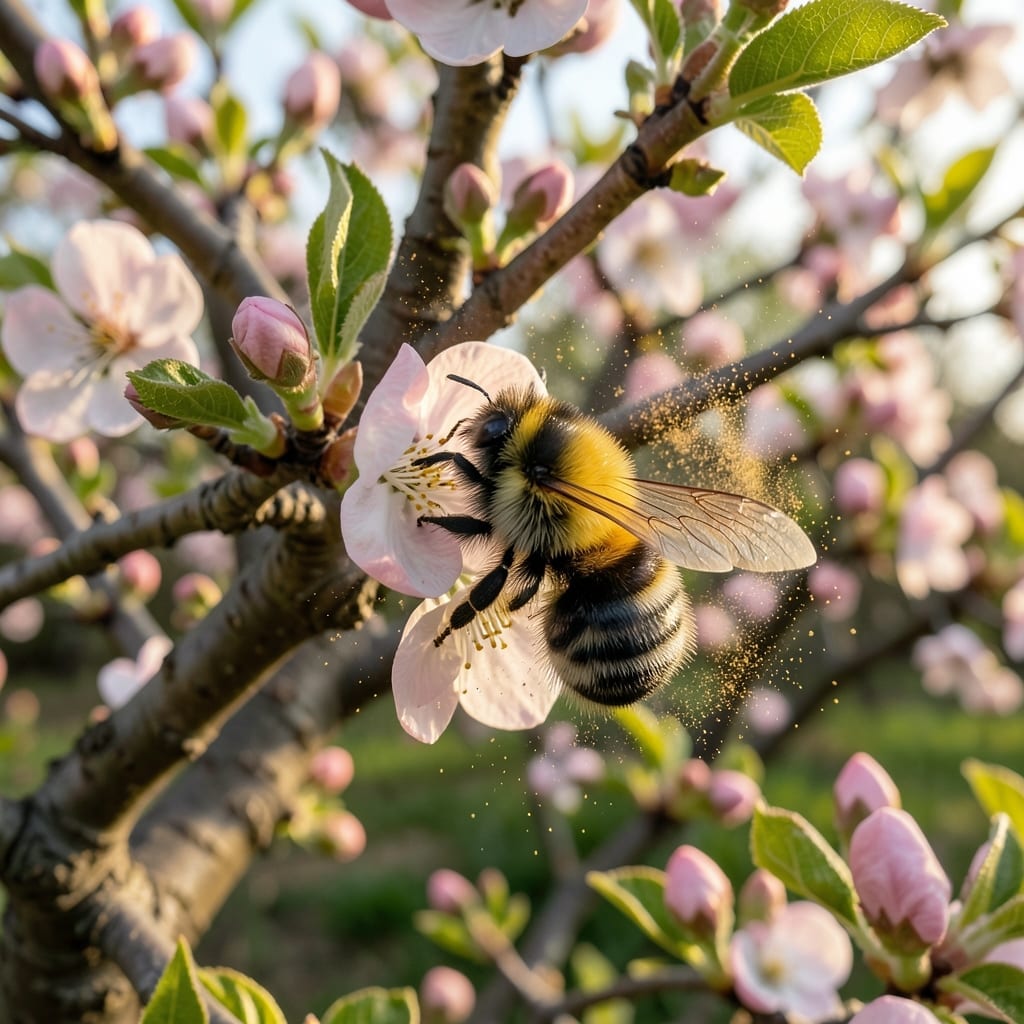
Plum trees need more than just a gentle breeze—they require vibration to release their pollen. That’s where bumble bees shine with their unique “buzz pollination” technique, using rapid wing movements to shake pollen loose from stubborn flowers.
These fuzzy, hardworking bees are especially effective for plum blossoms, as their large size allows them to carry more pollen between flowers. Plant clover or lavender nearby to attract them, and avoid pesticides to keep them buzzing through your orchard.
Home orchard owners will love how these bees boost fruit set without extra effort. Their powerful pollination ensures plums develop fully and abundantly. 🌿
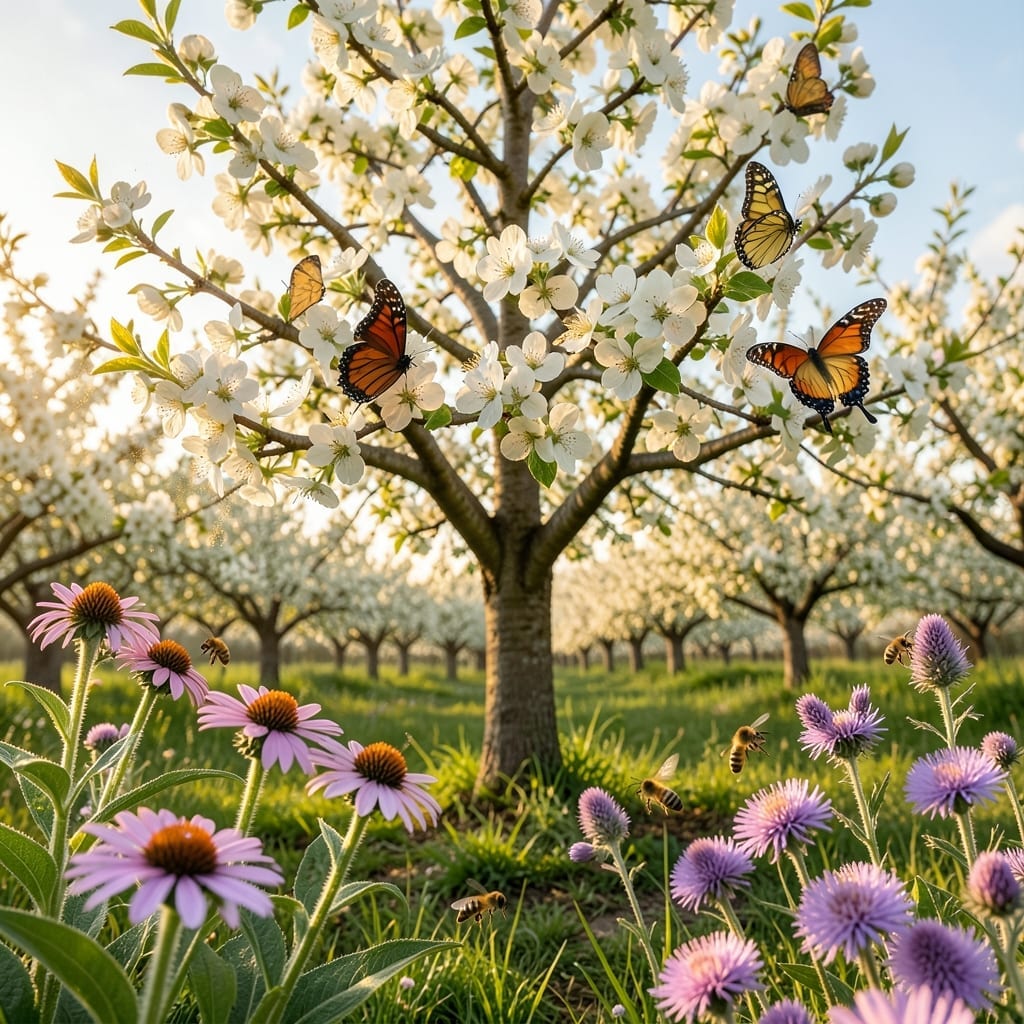
While bees do the heavy lifting, butterflies bring a touch of magic to your pear tree pollination. Their fluttering visits help transfer pollen between blossoms, and their vibrant colors create a stunning orchard display.
Attract them by planting nectar-rich flowers like milkweed, coneflowers, or asters near your trees. Butterflies prefer flat, open flowers that make nectar easily accessible, and they’ll stick around if you provide shallow water sources.
Backyard gardeners will love how these winged beauties enhance biodiversity while giving pear yields a gentle boost. Their presence turns your orchard into a living work of art. 🌿
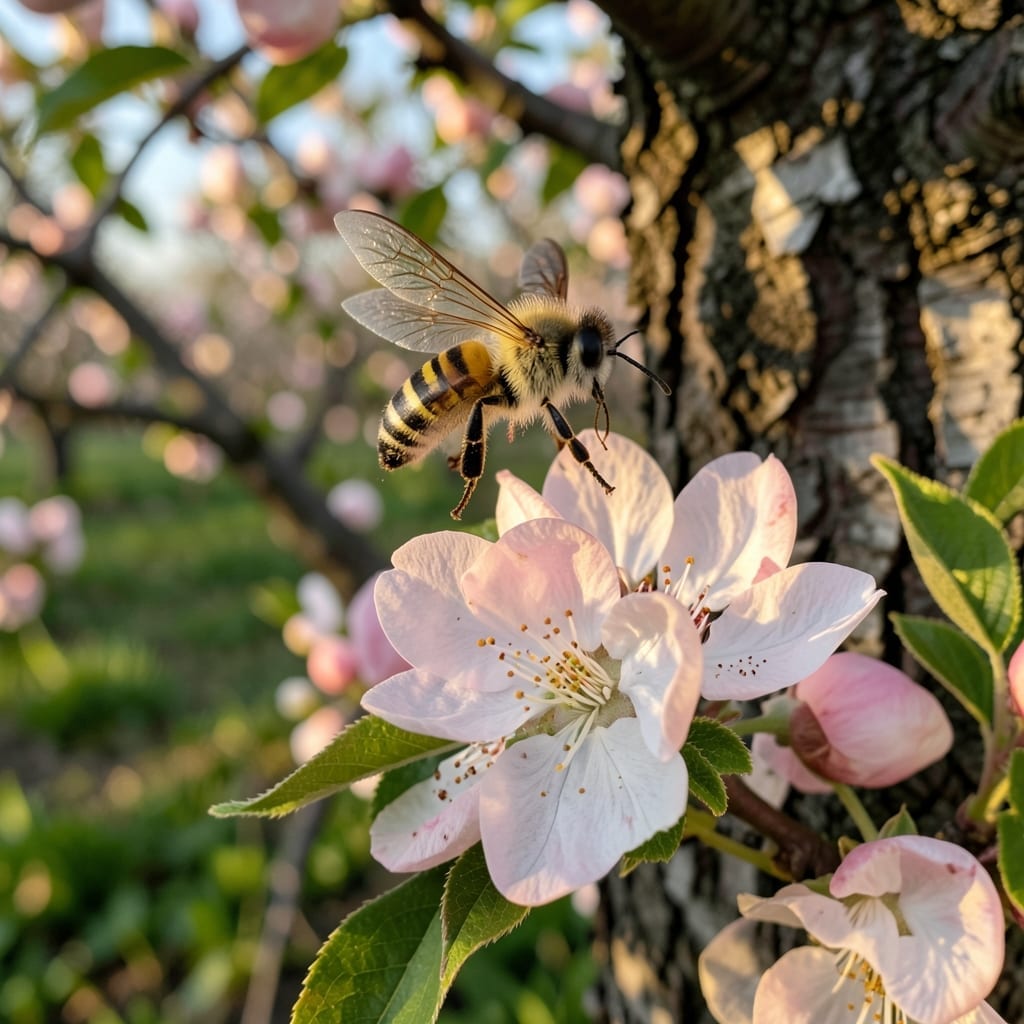
Don’t overlook syrphid flies—these bee mimics are secret weapons for your peach trees. Their hovering flight and bee-like appearance fool predators while they efficiently transfer pollen between blossoms, especially in sheltered orchard spots.
They thrive in wind-protected areas where gentle air currents don’t disrupt their work. Plant flat, open flowers like alyssum or daisies nearby to attract them, and avoid broad-spectrum pesticides that could harm these beneficial insects.
Home orchardists with limited space will appreciate how these flies supplement bee activity, ensuring better fruit set without requiring additional hives. Their presence often means the difference between sparse and abundant peach harvests. 🌿
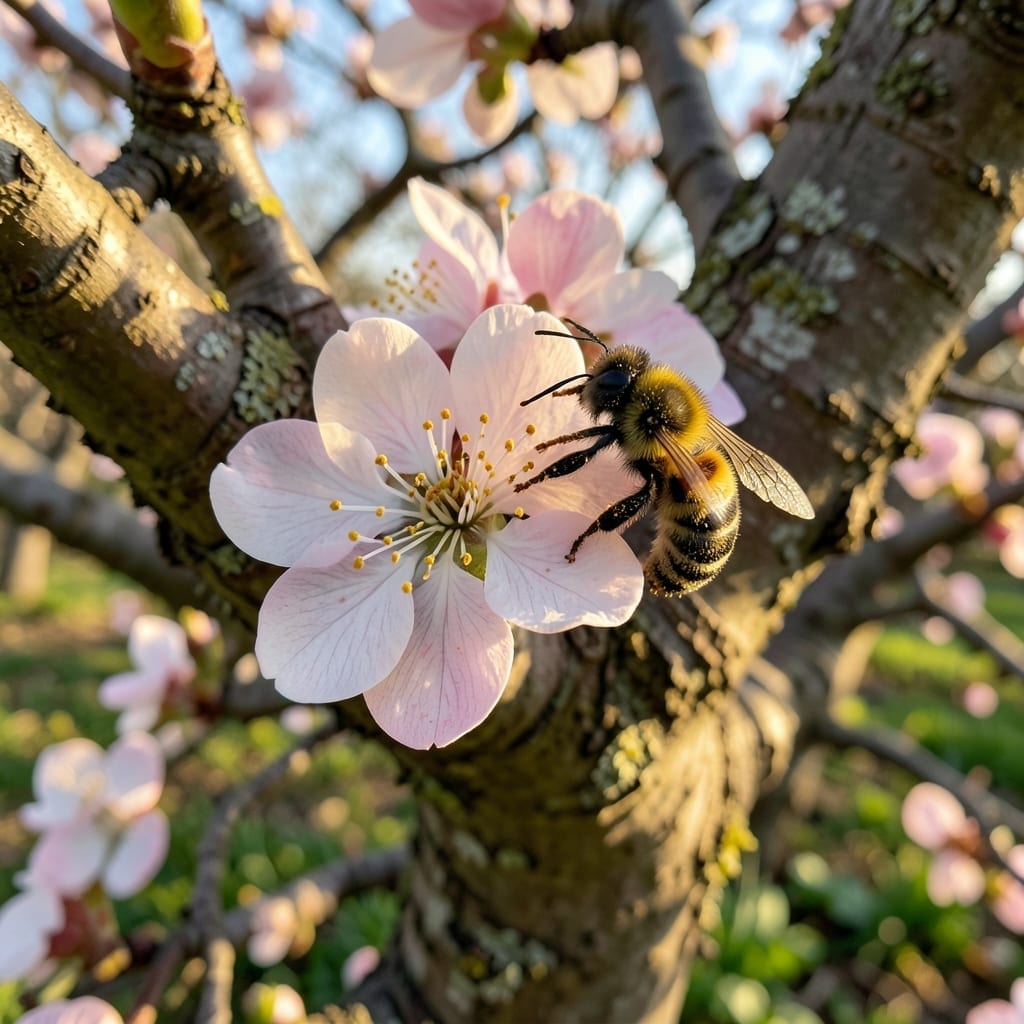
Apricot trees have larger blossoms that need a pollinator with the strength and size to handle them effectively. That’s where carpenter bees come in—their robust bodies make them ideal for transferring pollen between these bigger flowers.
Unlike smaller bees, they can carry more pollen per visit and reach deeper into the blossoms. Provide untreated wood for nesting to encourage them to stay in your orchard. Their presence often results in higher fruit set rates for apricot growers.
Home orchardists with apricot trees will see the biggest improvement from these powerful pollinators. Their efficiency ensures your trees produce to their full potential. 🌿
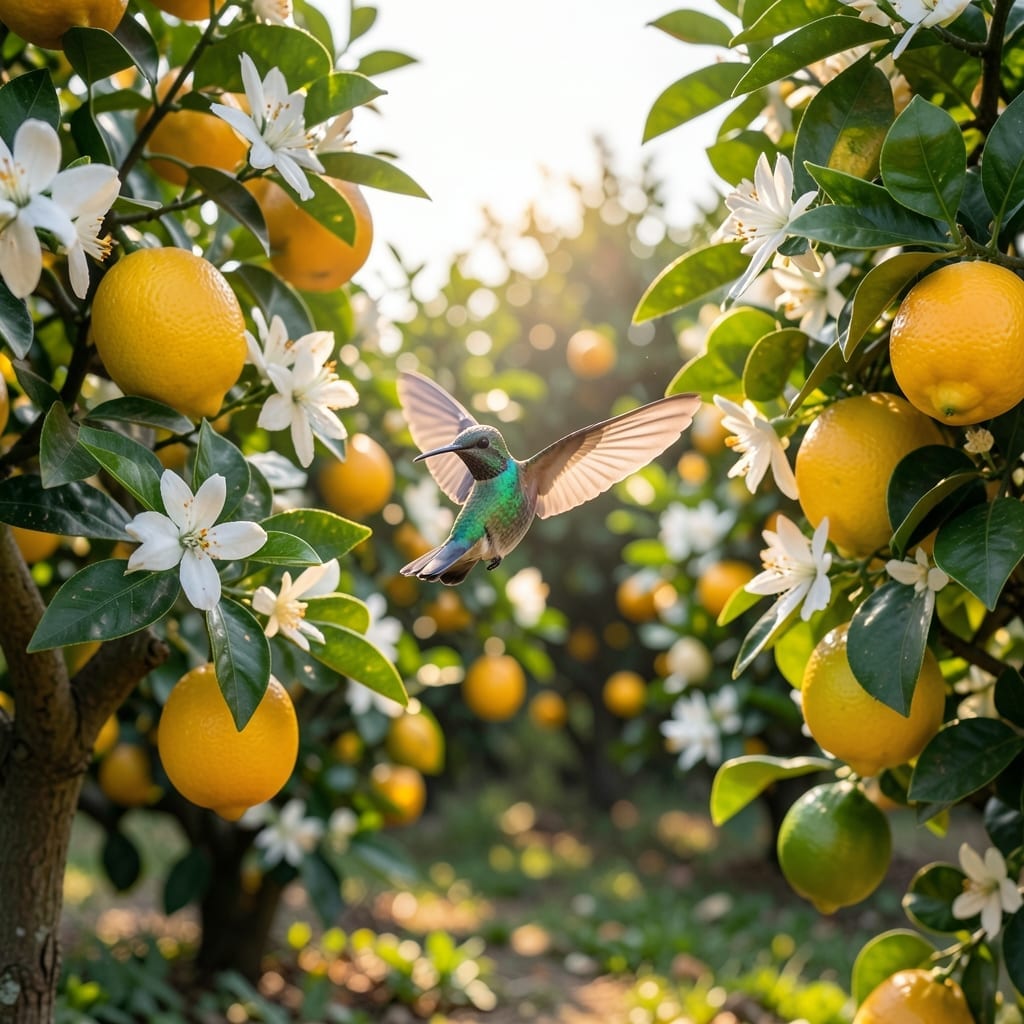
Your citrus trees can get a pollination boost from the most unexpected helpers: hummingbirds. These tiny, energetic birds are irresistibly drawn to the fragrant, nectar-rich blossoms of orange, lemon, and lime trees, especially in warm climates where they thrive year-round.
As they dart between flowers, their heads brush against pollen, which they then carry to the next blossom. To attract them, plant red or orange tubular flowers nearby and provide a water source. Their agility makes them perfect for navigating dense citrus foliage.
Gardeners in warmer regions will see the biggest benefit, as these birds stay active when many insects don’t. Their visits lead to better fruit set and more abundant harvests. 🌿
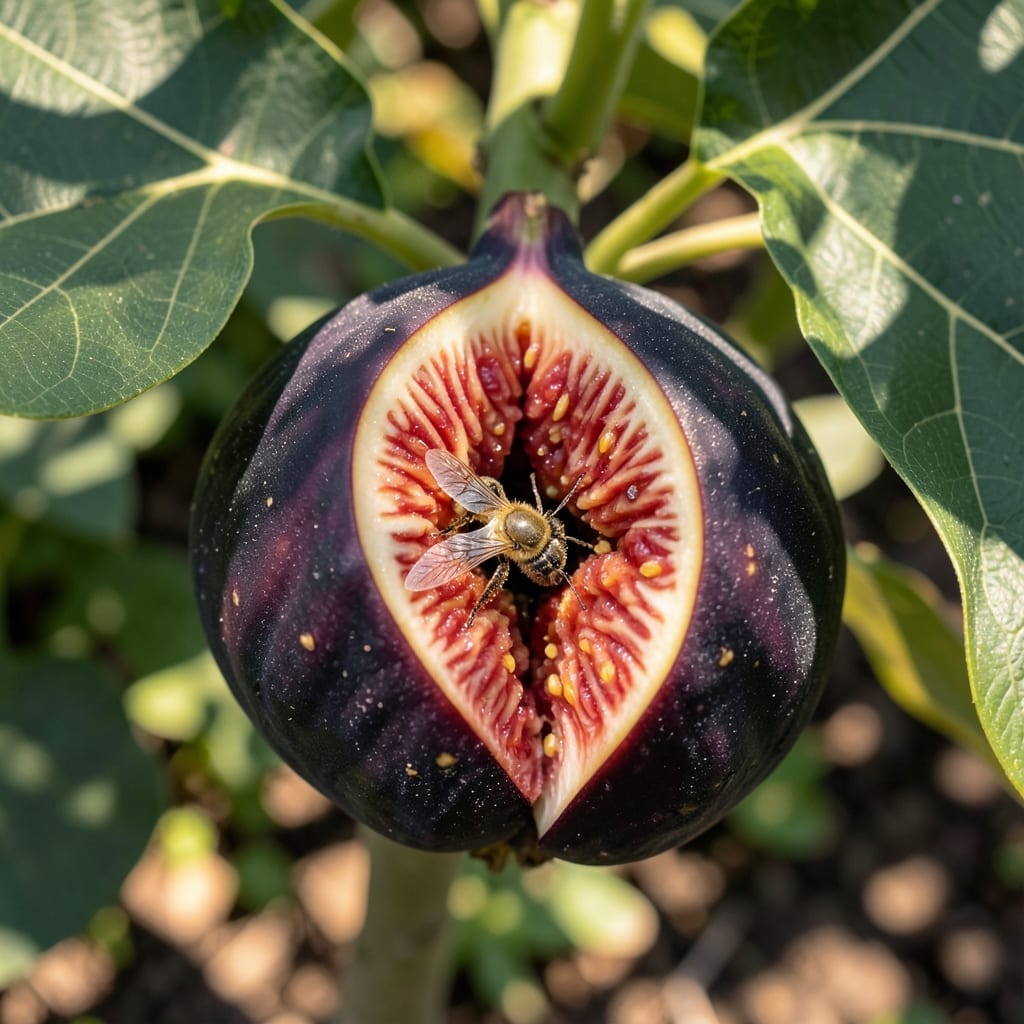
Not all fig trees can self-pollinate—some, like the Smyrna fig, depend entirely on tiny fig wasps to fertilize their flowers. These specialized beetles crawl inside the fig’s enclosed blossoms, carrying pollen from other trees and enabling fruit development.
Without them, certain fig varieties would produce no edible fruit at all. To support these pollinators, avoid pesticides in your orchard and plant Mediterranean-native fig varieties that attract them naturally.
Orchard owners growing these fig types will see the biggest difference, as these beetles are the unsung heroes behind every successful harvest. 🌿
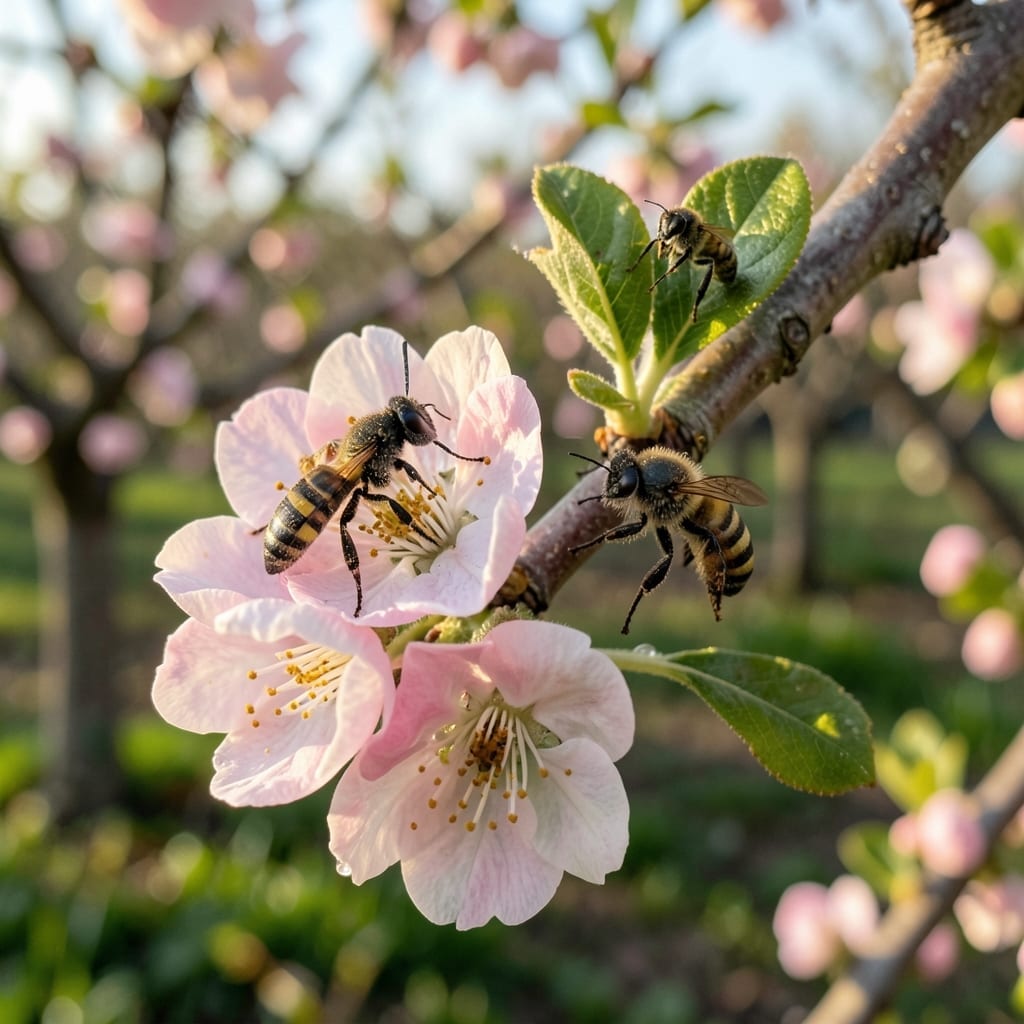
Your nectarine trees get a double boost from solitary wasps—they pollinate blossoms while also hunting garden pests. Unlike social wasps, these gentle insects are non-aggressive and focus on their work, making them perfect for home orchards.
They’re especially effective for early-blooming nectarines, as they emerge in spring when many other pollinators are still dormant. To attract them, leave some bare soil for nesting and plant flat, open flowers like yarrow or Queen Anne’s lace nearby.
Gardeners with pest problems will love this two-in-one solution: better fruit set from pollination plus natural pest control. These wasps are the unsung heroes of thriving orchards. 🌿
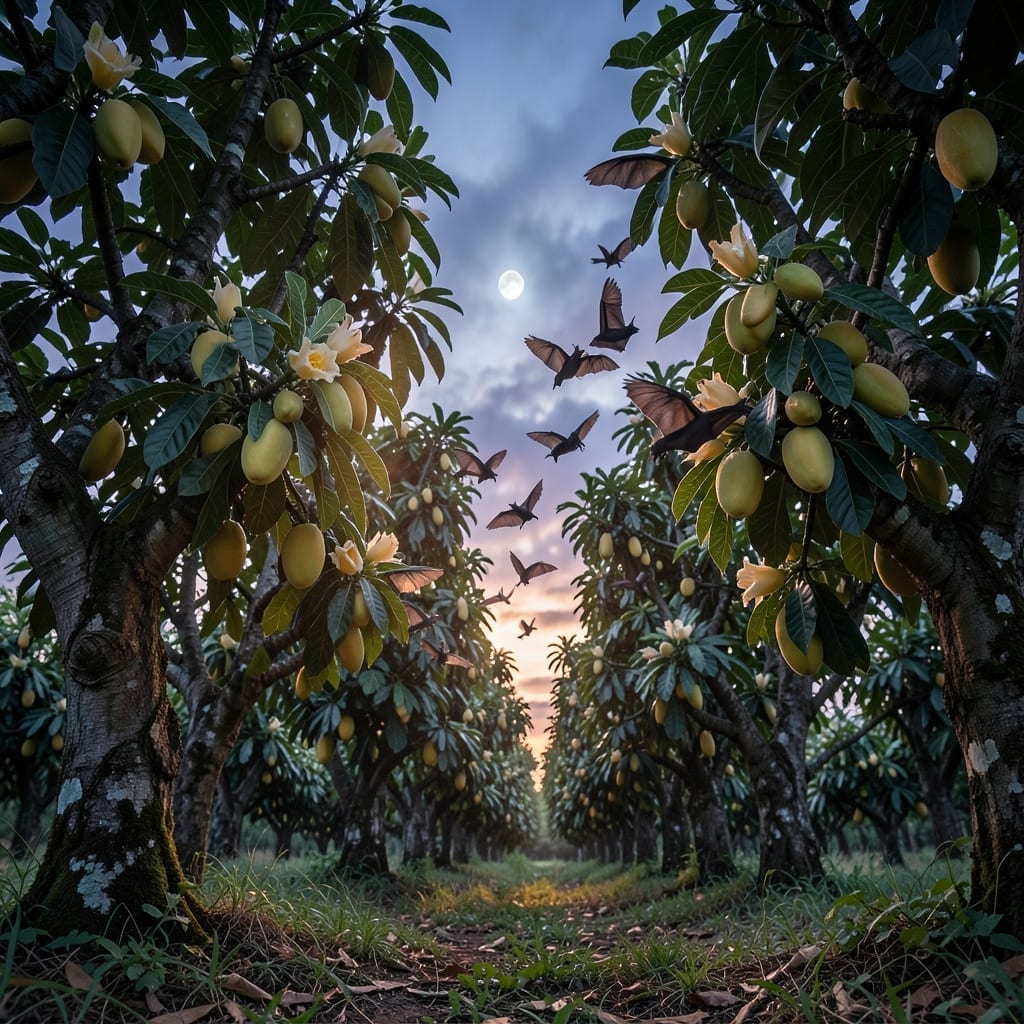
When the sun sets, your mango trees rely on an unexpected ally: bats. In tropical climates, these nighttime flyers are the primary pollinators, especially for large orchards where they can cover vast areas after dark.
Bats are drawn to the sweet, strong fragrance of mango blossoms, which open at night to release their scent. Their furry bodies collect and distribute pollen as they feed, making them incredibly efficient for cross-pollination. To attract them, maintain mature trees and avoid pesticides.
Large-scale growers in warm regions will see the biggest benefits, as these winged wonders ensure higher fruit set without daytime competition. Their work leads to more abundant and consistent harvests. 🌿