
Beautiful Plants For Your Interior
Beautiful Plants For Your Interior
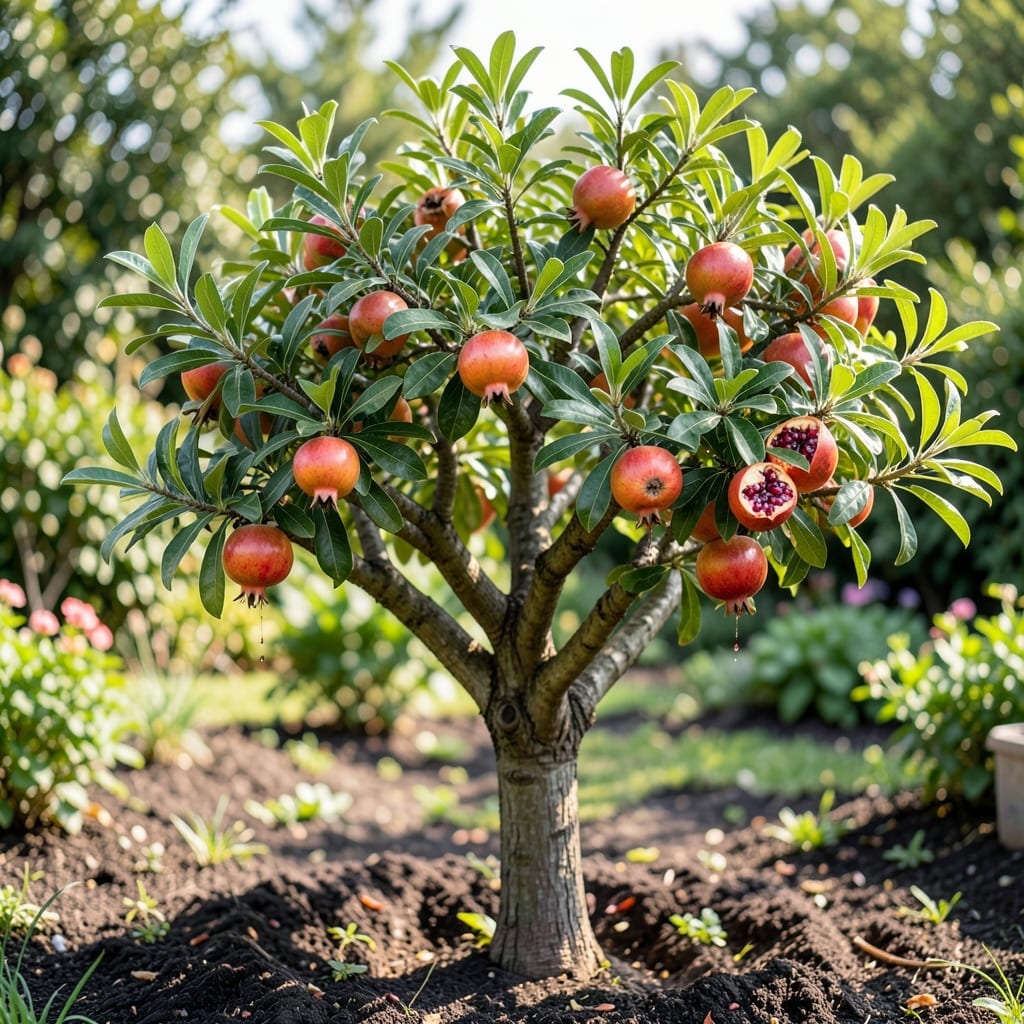
Nothing stings like watching your pomegranates split just before harvest. I’ve lost dozens this way over the years, always right when they’re plumping up and turning that deep ruby color.
Here’s the thing—cracking usually comes down to two things: inconsistent watering or nutrient swings. Your tree gets thirsty, drinks too much too fast, and the fruit literally bursts at the seams.
After adjusting my irrigation schedule and soil amendments, my harvests went from 50% cracked to nearly perfect. The fix is simpler than you think, but timing is everything.
Works for backyard trees, container plants, and even young saplings. Let’s save this year’s crop.
Fruit cracking in pomegranates is a frustrating issue, but understanding the root causes can help you prevent it. Here are the most common reasons why it happens:
Pomegranates are sensitive to inconsistent watering. When the fruit experiences sudden changes in moisture—such as heavy rainfall after a dry spell or overwatering after drought—the skin expands too quickly. This uneven growth leads to cracks as the outer layer struggles to keep up with the internal pressure.
Extreme temperature fluctuations, especially between day and night, can stress the fruit. High heat accelerates water uptake and growth, while cooler nights slow it down. This push-and-pull effect weakens the skin, making it more prone to splitting.
Excess nitrogen or potassium in the soil can cause rapid fruit growth. While nutrients are essential, too much leads to an imbalance where the pomegranate’s interior outpaces its skin’s ability to stretch, resulting in cracks.
Some pomegranate varieties, like Wonderful, are more prone to cracking due to their thin skins. If you’re growing a susceptible type, consistent care—especially with watering—is key to minimizing the risk.
By addressing these factors, you can significantly reduce the chances of fruit cracking in your harvest.
Fruit cracking in pomegranates can be frustrating, but the right fixes can restore your harvest. Below are targeted solutions for the most common causes.
Inconsistent soil moisture is a leading cause. Water deeply 1–2 times per week during fruit development, especially in dry spells. Use drip irrigation to maintain even moisture and avoid sudden drought-to-downpour shifts. Mulch around the base (2–3 inches of organic mulch) to retain soil moisture and reduce evaporation.
Excessive nitrogen or warm spells can trigger rapid fruit expansion. Adjust fertilization: reduce nitrogen-heavy feeds and switch to a balanced (10-10-10) or potassium-rich formula to support steady growth. Prune aggressively to limit excessive foliage, which competes for water and nutrients.
Shade cloth (30–40%) can shield pomegranates from extreme heat, while frost covers prevent cold shock. If temperatures fluctuate wildly, consider planting near a windbreak or in a microclimate with stable conditions. Harvest slightly early if a heatwave is forecasted to avoid stress-induced cracking.
Rapid water fluctuations are the top culprit. Heavy rain after drought or uneven irrigation makes the fruit expand too quickly, breaking the skin.
Yes, too much water at once is just as bad as too little. Stick to deep watering 1-2 times weekly and use mulch to maintain steady moisture.
30-40% shade cloth helps stabilize temperature and reduce heat stress. Combine it with consistent watering for best results.
Some types like Eversweet crack less than Wonderful. Check with local nurseries for region-specific recommendations.