
Beautiful Plants For Your Interior
Beautiful Plants For Your Interior
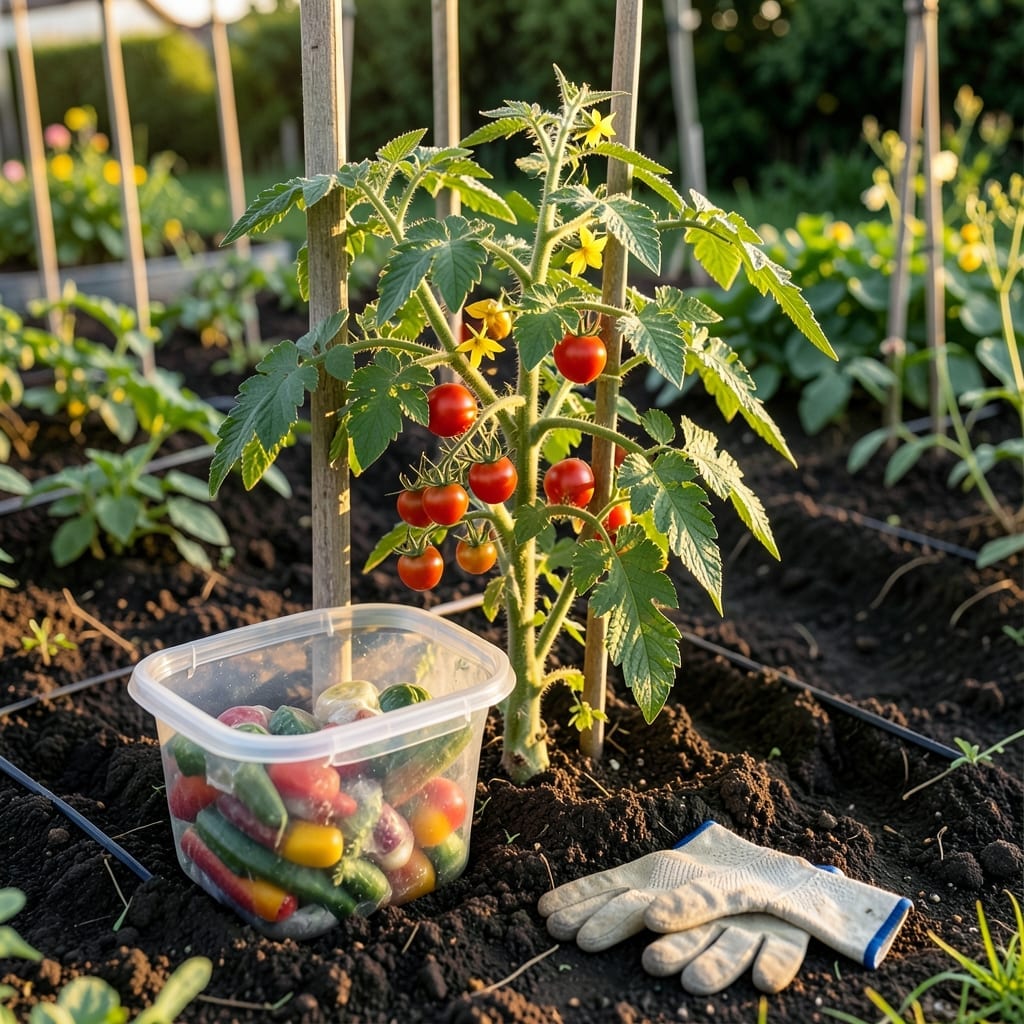
Late summer means my counters are covered in cherry tomatoes. Freezing them at peak ripeness locks in that garden-fresh flavor for months of off-season cooking.
I used to lose half my harvest to spoilage before learning this simple method. No special equipment, no blanching—just a quick prep and your freezer does the rest.
You’ll pull out perfectly preserved tomatoes whenever you need them. They soften when thawed but keep their bright taste for sauces, stews, or winter soups.
Works for any small tomato variety, and takes less than 20 minutes to process a full batch. Here’s how to save that summer bounty.
Freezing small tomatoes can sometimes lead to unexpected texture or quality changes. Understanding the root causes helps you avoid common pitfalls. Below are the primary reasons why freezing may not always yield perfect results.
When tomatoes are exposed to sudden temperature drops, their cell walls can rupture. This happens because the water inside the fruit expands as it freezes, breaking down the cellular structure. As a result, tomatoes may turn mushy upon thawing. To prevent this, blanch the tomatoes first or freeze them gradually in a single layer before transferring to a container.
Small tomatoes, especially cherry or grape varieties, have a high water content (around 95%). This makes them prone to becoming watery and soft after freezing. The ice crystals formed during freezing disrupt the flesh, leading to a loss of firmness. Using the dry-freeze method (spreading tomatoes on a tray before bagging) reduces clumping and minimizes texture damage.
Skipping pre-freezing preparations like washing, drying, or removing stems can lead to freezer burn or off-flavors. Moisture on the skin turns to ice, creating frost that degrades quality. Always pat tomatoes completely dry and consider a light ascorbic acid dip to preserve color and flavor.
Packing tomatoes too tightly in a container causes them to freeze unevenly and stick together. This makes portioning difficult and increases the risk of crushing. Use airtight, freezer-safe bags with layers separated by parchment paper to maintain individual integrity.
When freezing small tomatoes, a few common issues can arise—but each has a simple fix. Here’s how to troubleshoot and prevent them:
Fix: Freeze tomatoes whole or halved without blanching first. Spread them in a single layer on a tray to pre-freeze, then transfer to a bag. This keeps their shape intact. For cooking, add frozen tomatoes directly to dishes like soups or sauces—they’ll soften naturally but hold up better than thawed ones.
Prevention: Avoid overpacking bags; leave space for expansion. Use thick-skinned varieties like Roma or cherry tomatoes for firmer results.
Fix: If you spot freezer burn, trim the affected areas before use. To revive texture, soak thawed tomatoes in ice water for 10 minutes. For existing ice crystals, pat tomatoes dry before freezing to reduce moisture.
Prevention: Use airtight containers or heavy-duty freezer bags, squeezing out excess air. Double-wrap for long-term storage (up to 12 months).
Fix: For already split tomatoes, cook them immediately into sauces or purées—the texture won’t matter. If freezing intact is a must, score a small “X” on the skin before freezing to control splitting.
Prevention: Freeze tomatoes at their ripest but firmest stage. Underripe or overripe ones are more prone to damage.
💡 Pro Tip: Label bags with the date and variety. Small tomatoes like Sweet 100s or Sun Golds freeze best for snacks, while paste tomatoes excel in cooked dishes.
No, blanching isn’t required for small tomatoes. Simply wash, dry, and freeze whole on a tray first to prevent clumping. This method preserves flavor without extra steps.
Properly stored in airtight containers, they maintain quality for 10-12 months. Label bags with the date to track freshness. For best results, use within 8 months.
Yes, the skins stay intact and soften when cooked. For easier use later, freeze whole or halved. Skins slip off naturally during thawing if you prefer peeling.
For sauces, add them frozen directly to the pot. For salads, thaw in the fridge overnight. Avoid microwave thawing as it makes them mushy.