
Beautiful Plants For Your Interior
Beautiful Plants For Your Interior
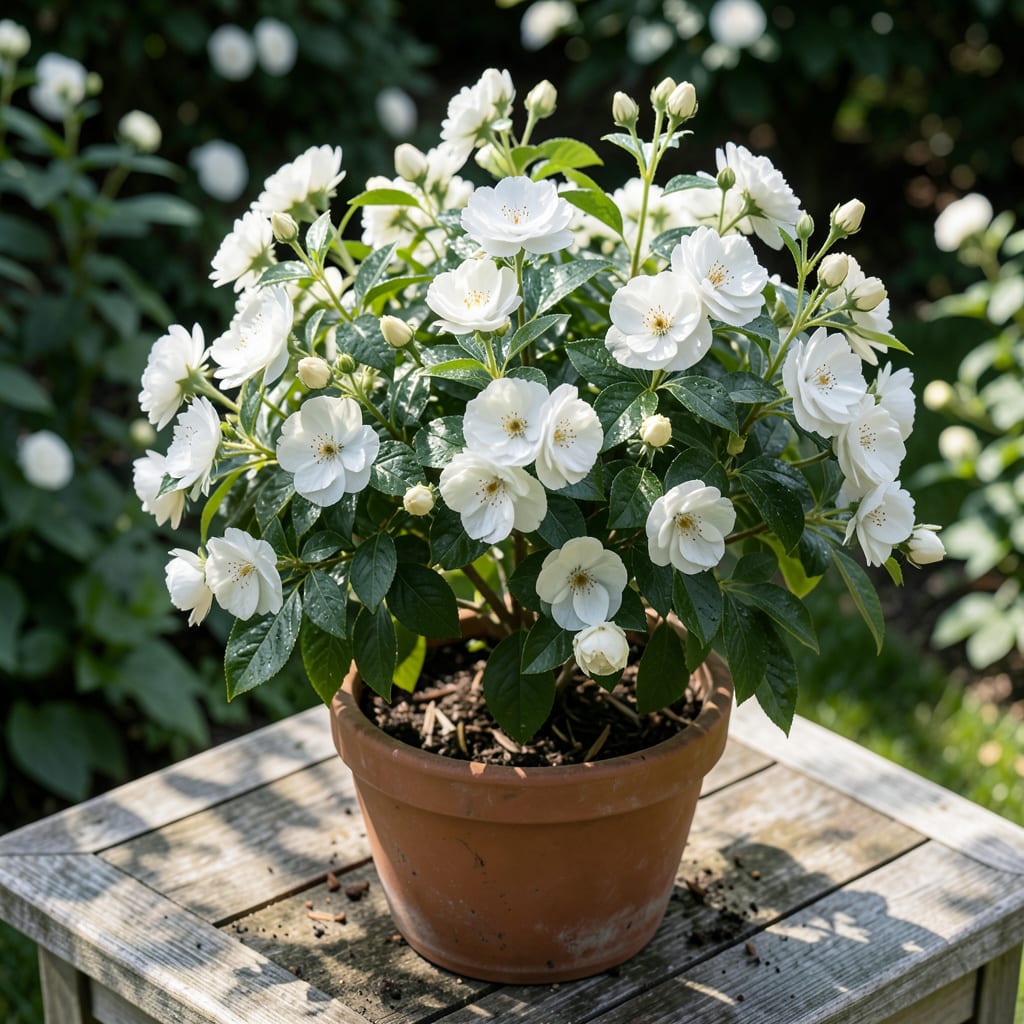
There’s nothing like stepping into a garden filled with the sweet scent of blooming shrubs. I planted my first white-flowered variety three springs ago, and the fragrance still stops me in my tracks every May.
These aren’t just pretty faces—they’re low-maintenance powerhouses that thrive in full sun to partial shade. With the right variety, you’ll get months of blooms and a perfume that carries across your entire yard.
📚 In This Guide
This approach ensures healthy growth and abundant blooms with minimal fuss.
Select a spot with full sun to partial shade, as most fragrant white flowering shrubs thrive in 6+ hours of sunlight. Avoid low-lying areas where cold air or water pools. I always test the soil drainage first by digging a 1-foot hole and filling it with water—if it drains within 1-2 hours, you’re good to go.
Amend the soil with 2-3 inches of compost worked into the top 12 inches of native soil. This improves fertility and drainage. If your soil is heavy clay, mix in some coarse sand or pine bark fines to loosen it up. The goal is a loose, well-draining foundation that roots can easily penetrate.
Dig a hole that’s twice as wide as the root ball but no deeper. If the shrub is container-grown, gently loosen the roots if they’re circling the pot. Place the plant in the hole so the top of the root ball sits 1 inch above ground level—it’ll settle slightly after watering.
Backfill with the amended soil, pressing lightly to remove air pockets. Water deeply immediately after planting, using 5 gallons of water for a 3-gallon shrub. This settles the soil and ensures the roots make good contact. I always build a small soil berm around the edge of the hole to help direct water to the roots during the first few weeks.
Water your shrub deeply 2-3 times per week for the first 4-6 weeks, then taper off to once a week unless rainfall is scarce. The key is consistent moisture without waterlogging. Stick your finger 2 inches into the soil—if it feels dry, it’s time to water.
Apply a 2-3 inch layer of mulch around the base, keeping it 3 inches away from the trunk to prevent rot. Use organic mulch like shredded bark or wood chips, which will break down over time and enrich the soil. This also suppresses weeds and keeps roots cool in summer.
Prune your shrub right after it finishes flowering, typically in late spring or early summer. Remove any dead, diseased, or crossing branches first. Then, shape the plant by cutting back 1/3 of the oldest stems to encourage new growth and more blooms next season.
Fertilize in early spring with a balanced, slow-release shrub fertilizer, following package instructions. Avoid high-nitrogen fertilizers, which can promote leafy growth at the expense of flowers. I’ve found that a light application of compost in spring and fall is often all these shrubs need to thrive.
Keep an eye out for common issues like aphids, scale, or powdery mildew. A strong blast of water can dislodge aphids, while scale may require horticultural oil. Powdery mildew often appears as a white, powdery coating on leaves—improve air circulation and avoid overhead watering to prevent it.
Regularly inspect the leaves and stems, especially the undersides, where pests like to hide. Early intervention is key. If you spot yellowing leaves or stunted growth, check for root rot or nutrient deficiencies. Most fragrant white flowering shrubs are hardy, but they’ll let you know when something’s off.
Small adjustments in planting and care can make a big difference in your shrub’s health and bloom production.
Drainage Test: In Step 1, when testing soil drainage with that 1-foot hole, make sure to time it accurately—if it doesn’t drain within 1-2 hours, consider amending with more compost or creating a raised bed. Poor drainage is the number one killer of these shrubs.
Planting Depth: When placing your shrub in Step 2, resist the urge to bury it deeper than specified. That 1 inch above ground level is crucial because the root ball will settle after watering. Planting too deep can suffocate the roots and lead to rot.
Watering Wisdom: For Step 3, stick to the 2-3 times per week schedule for the first 4-6 weeks. Overwatering is just as harmful as underwatering. The 2-inch finger test is your best guide—if the soil feels dry at that depth, it’s time to water.
Pruning Timing: In Step 4, don’t prune too early or too late. That late spring or early summer window right after flowering is perfect because it gives the plant time to produce new growth that will flower next year. Pruning at the wrong time can cost you a season of blooms.
Compact options like Daphne odora or Gardenia jasminoides thrive in limited spaces. Both offer intoxicating scents and glossy foliage, perfect for patios or borders. Ensure well-draining soil and partial shade for best results.
Early spring or fall is ideal, allowing roots to establish before extreme heat or cold. Avoid planting in summer’s peak or during frost. Water deeply after planting to reduce transplant shock.
Yellow leaves often signal overwatering or nutrient deficiency. Check soil moisture—let it dry slightly between waterings. Apply a balanced fertilizer in spring, and test soil pH (aim for 6.0–7.0).
Yes! Mock orange (Philadelphus) or Sweetshade (Calycanthus) offer fragrant white blooms with minimal fuss. They tolerate a range of soils and need only occasional pruning.
Common culprits: insufficient sunlight, improper pruning, or lack of nutrients. Most fragrant shrubs need 4–6 hours of sun daily. Prune right after blooming, and fertilize in early spring to encourage flowers.
