
Beautiful Plants For Your Interior
Beautiful Plants For Your Interior
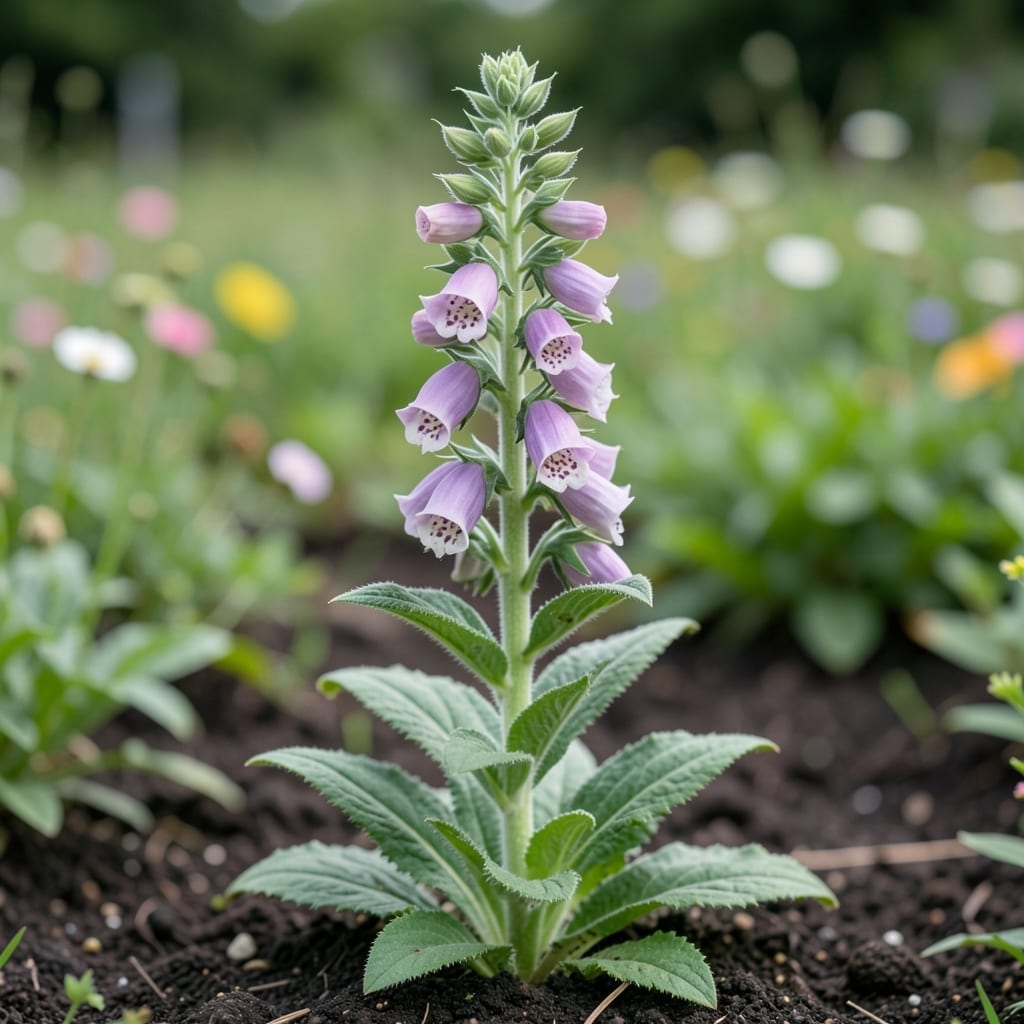
Foxglove leaves tell a story before the blooms even appear. Their velvety texture and deep green color signal a healthy plant, but those same leaves demand respect—they’re highly toxic if ingested.
I’ve learned to admire them from a safe distance, wearing gloves when handling. Proper care keeps the foliage lush while preventing accidental exposure to pets and children. The key is knowing what to look for in both growth and safety.
📚 In This Guide
Here’s how to work with these plants safely while avoiding their potent toxins.
Foxglove (Digitalis purpurea) produces distinctive lance-shaped leaves that grow in a basal rosette, often with a slightly fuzzy texture and prominent veins. The leaves contain cardiac glycosides, which can cause severe heart arrhythmias if ingested. I always confirm identification by checking for the soft, hairy undersides and the alternate leaf arrangement before handling.
Never taste or chew any part of the plant—even small amounts can be fatal. If you’re unsure whether a plant is foxglove, consult a field guide or gardening expert. The toxicity remains potent even in dried leaves, so treat all parts with equal caution.
Put on nitrile-coated gloves (latex may not provide adequate protection) and long sleeves to prevent skin absorption of toxins. I also recommend safety goggles if you’ll be cutting or pruning, as sap can irritate eyes. Work in a well-ventilated area to avoid inhaling any airborne particles from dried leaves or stems.
If you accidentally touch your face or skin while handling foxglove, wash the area immediately with soap and warm water. Remove gloves carefully by peeling them off from the wrist to avoid transferring toxins to your hands. Dispose of them in a sealed bag if they’ve contacted plant material.
Use pruners or scissors to cut leaves at the base, placing them directly into a sealed, heavy-duty plastic bag to prevent accidental contact or ingestion by pets or children. Never compost foxglove leaves— the toxins persist and can leach into soil, posing risks to future plantings or wildlife.
If you’re removing the entire plant, dig out the roots carefully to avoid leaving fragments behind. Burn the material in a controlled, outdoor fire pit (where permitted) or dispose of it through your municipality’s hazardous waste program. I label the bag clearly as “Toxic – Do Not Open” before disposal.
After handling foxglove, clean all tools with a 10% bleach solution (1 part bleach to 9 parts water) to neutralize any residual toxins. Wipe down surfaces, including potting benches or garden tables, with the same solution. I keep a dedicated spray bottle of this mix in my shed for post-foxglove cleanup.
Wash your hands for at least 20 seconds with soap, even if you wore gloves. Pay special attention to under your nails and between fingers, where toxins can linger. Change clothes and wash them separately if they’ve contacted the plant, as toxins can remain active on fabric.
Symptoms of foxglove poisoning include nausea, vomiting, irregular heartbeat, and blurred vision. If you or someone nearby experiences these after handling the plant, seek emergency medical attention immediately. Keep the Poison Control Center number (1-800-222-1222) posted in your gardening area.
I also recommend keeping a first-aid kit nearby with activated charcoal (only to be administered by medical professionals) in case of accidental ingestion. Educate household members, especially children, about the dangers of foxglove and instruct them to never touch or play near the plants.
Working with foxglove requires careful attention to detail to ensure safety for yourself and others.
Identification Tip: In Step 1, double-check for the soft, hairy undersides and alternate leaf arrangement—these are the most reliable indicators of foxglove. If you’re uncertain, consult a field guide or expert, as even dried leaves retain their toxicity.
Gear Essentials: For Step 2, nitrile-coated gloves are non-negotiable; latex won’t provide adequate protection. I also keep a pair of safety goggles handy, as sap exposure to the eyes can cause irritation. Work in a well-ventilated area to avoid inhaling particles.
Disposal Safety: In Step 3, never underestimate the risks of improper disposal. The toxins in foxglove leaves persist, so composting is out of the question. Always use a sealed, heavy-duty plastic bag and label it clearly as “Toxic – Do Not Open” before disposal.
Cleanup Protocol: Step 4’s 10% bleach solution (1 part bleach to 9 parts water) is critical for neutralizing toxins on tools and surfaces. I also wash my hands for the full 20 seconds, paying extra attention to under my nails and between my fingers, where residue can linger.
No—all parts of foxglove (Digitalis) contain cardiac glycosides, which are toxic if ingested or absorbed through skin. Always wear gloves when handling and wash hands thoroughly afterward to avoid irritation or poisoning.
Look for large, soft, hairy leaves with a lance or oval shape and a prominent central vein. They grow in a basal rosette and have a slightly bitter smell.
Contact your vet or a pet poison hotline immediately. Symptoms like vomiting, diarrhea, or irregular heartbeat require urgent care—do not wait for signs to worsen.
Yes! Try lamb’s ear (Stachys byzantina) for fuzzy leaves or comfrey (Symphytum) for large, textured foliage—both are pet-safe and visually appealing.