
Beautiful Plants For Your Interior
Beautiful Plants For Your Interior
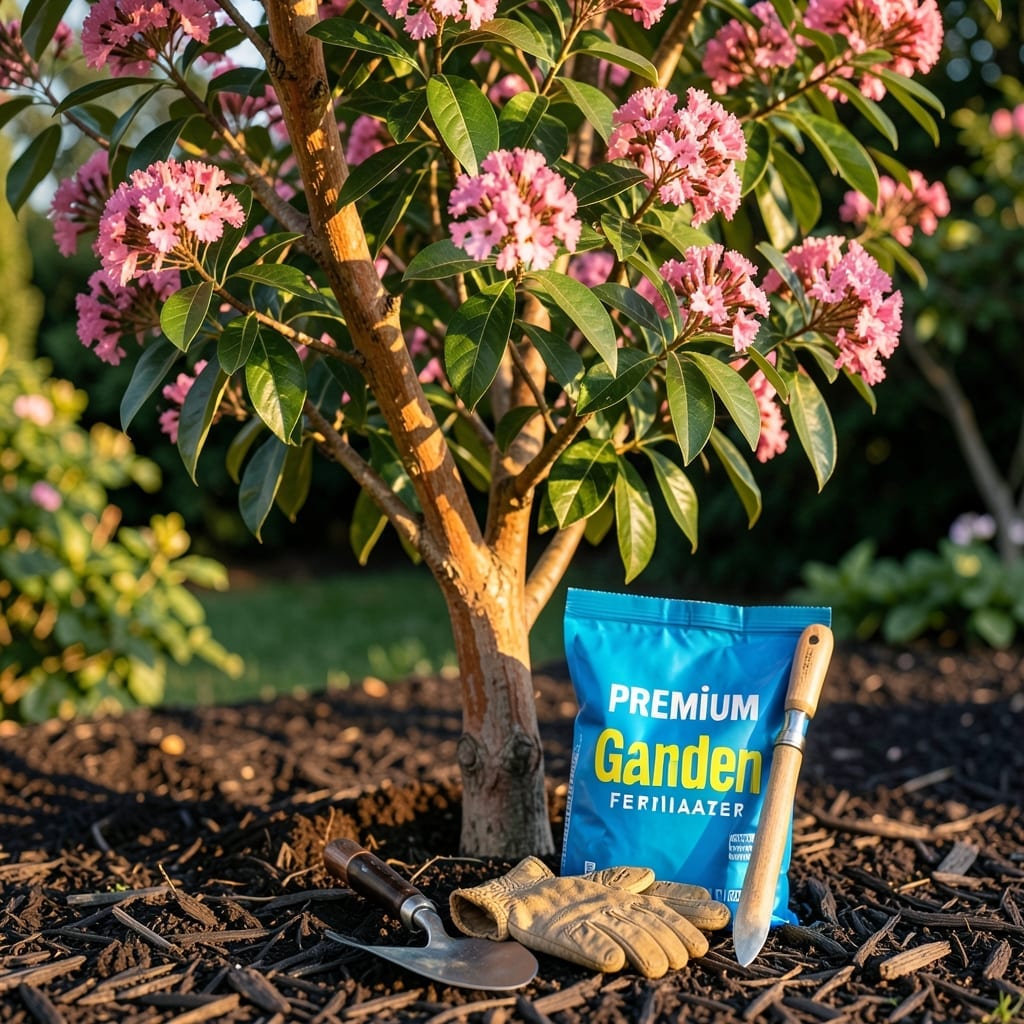
Your 🌳 Crepe Myrtle deserves the best to thrive, but not all fertilizers deliver. The right food makes all the difference between lackluster growth and vibrant, long-lasting blooms.
I’ve seen firsthand how proper nutrition transforms these trees. With the right approach, you’ll enjoy lush foliage and stunning flowers that turn heads in your neighborhood.
Discover the simple secrets to feeding your Crepe Myrtle for maximum impact. Let’s make this growing season its most beautiful yet.
Choosing the right food for crepe myrtle can feel overwhelming with so many options. I’ve tested various fertilizers and found that balanced NPK ratios work best for vibrant blooms and healthy growth.
A 10-10-10 fertilizer is my go-to for general care, but slow-release granules provide steady nutrients without the risk of overfeeding. Organic options like compost or worm castings also boost soil health.
| Fertilizer Type | Best For | NPK Ratio |
|---|---|---|
| Balanced Granular | Overall growth | 10-10-10 |
| Slow-Release | Long-term feeding | 12-6-6 |
| Organic Compost | Soil health | Varies |
| Liquid Bloom Booster | Flower production | 5-10-10 |
For newly planted crepe myrtles, I recommend a phosphorus-rich fertilizer to encourage strong root development. Established trees benefit from nitrogen-heavy formulas in early spring for lush foliage.
Slow-release fertilizers are ideal for busy gardeners. They feed your crepe myrtle over months, reducing the need for frequent applications. Just apply once in early spring and again in early summer.
If you prefer organic options, compost tea or fish emulsion provides gentle nutrition. These are perfect for sensitive plants or gardens where chemical fertilizers aren’t desired.
Always water your crepe myrtle deeply after fertilizing. This helps distribute nutrients evenly and prevents root burn from concentrated fertilizer.
Avoid fertilizing in late fall or winter. Your crepe myrtle is dormant during these months, and excess nutrients can lead to weak new growth that’s vulnerable to frost.
Yellowing leaves may signal a nitrogen deficiency, while poor blooming often means insufficient phosphorus. Adjust your fertilizer choice based on these signs.
Finally, always follow the package instructions for dosage. Over-fertilizing can harm your crepe myrtle more than under-feeding. When in doubt, less is more with these resilient trees. 🌳
Timing your crepe myrtle fertilization correctly can make or break your tree’s performance. I always start feeding in early spring when new growth appears, as this is when your plant needs nutrients most.
The best method depends on your fertilizer type. For granular fertilizers, I spread them evenly around the drip line and lightly work them into the soil. This ensures the roots can access the nutrients easily.
For liquid fertilizers, I use a watering can or hose-end sprayer to apply directly to the soil. This method works well for quick nutrient uptake during the growing season.
Early morning is the best time to fertilize. This allows the nutrients to soak in before the heat of the day. I also recommend watering your crepe myrtle thoroughly before and after applying fertilizer.
During summer months, I switch to a light feeding schedule. A half-strength liquid fertilizer every 2-3 weeks helps maintain blooms without overstimulating growth.
Remember, less is more with crepe myrtles. These tough trees can thrive with minimal feeding. Over-fertilizing leads to excessive foliage at the expense of flowers, which defeats the purpose of growing these beautiful blooming shrubs. 🌳