
Beautiful Plants For Your Interior
Beautiful Plants For Your Interior
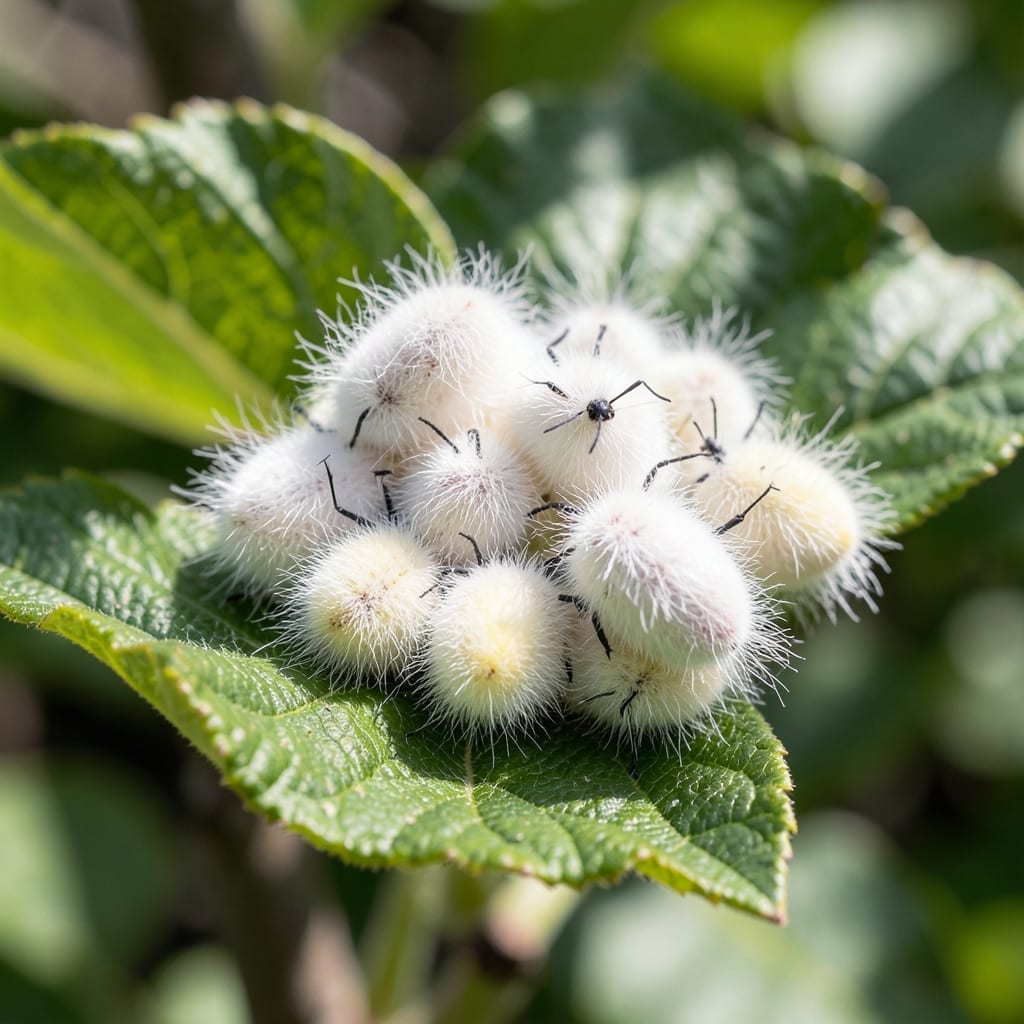
I first noticed the white fuzz on my apple tree and thought it was mold. Turns out, it was a full-blown woolly aphid colony ready to spread to my other plants.
These pests disguise themselves as harmless cottony tufts, but they’re sucking the life out of your plants. They love fruit trees, shrubs, and ornamentals, leaving behind sticky honeydew and stunted growth.
Here’s the thing—early detection is your best defense. Check the undersides of leaves and stem joints where they like to hide. Left unchecked, they’ll multiply rapidly and damage your garden.
I’ll show you how to spot, treat, and prevent these invaders using methods that actually work.
Fluffy white woolly aphids appear when conditions favor their rapid reproduction. These pests thrive in specific environmental and plant health scenarios, often exploitating stress or imbalance in your garden. Below are the primary causes:
Woolly aphids spread quickly in dense plantings where airflow is restricted. Poor air circulation creates a humid microclimate that these pests love. They also move easily between touching leaves or stems, turning a small issue into a full-blown infestation.
High humidity or overwatering weakens plants, making them more susceptible to aphid attacks. Woolly aphids are particularly drawn to succulent new growth, which thrives in damp conditions. Drip irrigation or poor drainage can exacerbate this by keeping foliage wet for extended periods.
Plants with excess nitrogen (often from over-fertilizing) produce soft, tender growth—a woolly aphid’s favorite. Conversely, phosphorus or potassium deficiencies stress plants, reducing their natural defenses. A balanced fertilizer regimen helps deter infestations by promoting stronger plant health.
Woolly aphids multiply unchecked when their natural enemies—like ladybugs, lacewings, or parasitic wasps—are absent. Pesticide overuse can kill these beneficial insects, leaving aphids free to colonize. Encouraging biodiversity in your garden helps maintain a natural balance.
Dealing with these pests starts with quick, targeted action. Below are practical fixes for the most common causes, plus prevention tips to keep them from returning.
Fix: Thin out dense foliage to improve airflow and reduce hiding spots. Prune heavily infested stems and dispose of them in sealed bags to prevent spread. Use neem oil spray weekly to disrupt their life cycle.
Prevent: Space plants according to their mature size. Regularly inspect undersides of leaves for early signs.
Fix: Strengthen plants with a balanced fertilizer to boost their natural defenses. Introduce beneficial insects like ladybugs or lacewings, which feed on aphids.
Prevent: Maintain consistent watering and avoid over- or under-fertilizing. Healthy plants resist pests better.
Fix: Remove plant debris, fallen leaves, and weeds where aphids breed. Spray down plants with a strong water jet to dislodge colonies, then apply insecticidal soap.
Prevent: Keep garden beds clean and rotate crops yearly to break pest cycles.
Fix: Isolate affected plants immediately. Wipe leaves with a soapy water solution (1 tsp mild soap per quart of water) to remove visible pests. Repeat every 2–3 days until gone.
Prevent: Check plants weekly, especially during warm months when aphids thrive. 💡 Pro tip: Yellow sticky traps can catch flying aphids early.
They appear as white, cottony clusters on stems and leaf undersides. The “fluff” is actually a waxy secretion that protects their soft bodies. Look for tiny, oval insects hidden beneath the fuzzy coating.
Check stem joints, leaf axils, and the undersides of leaves. They also love new growth and areas with poor air circulation. Early detection means checking these spots weekly during warm months.
No, woolly aphids don’t bite or sting humans or pets. They’re only harmful to plants, though their honeydew can attract ants and promote sooty mold growth on leaves.
Yes, if conditions remain favorable. Reinfestation is common without preventive measures like improving airflow, removing plant debris, and introducing natural predators.