
Beautiful Plants For Your Interior
Beautiful Plants For Your Interior
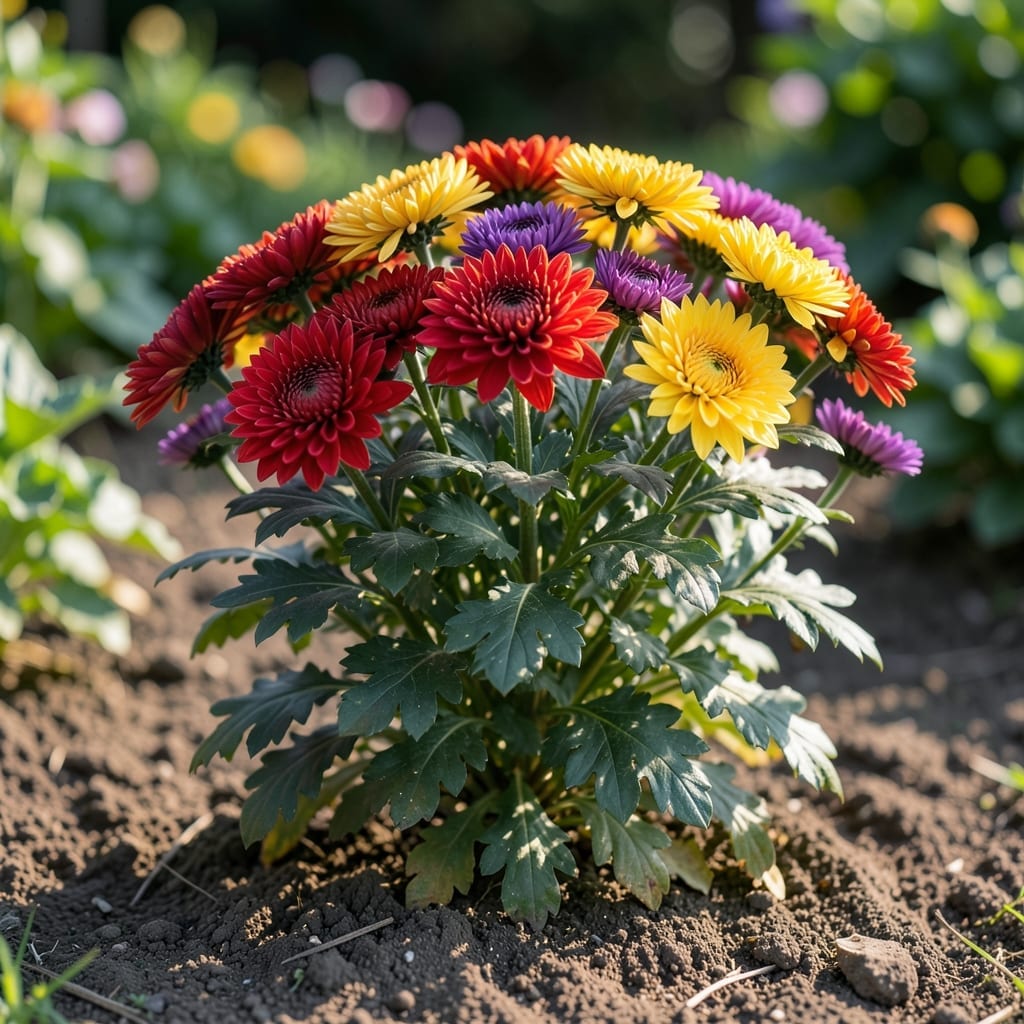
As summer fades, your garden doesn’t have to lose its vibrancy. With the right picks, you can keep the color going strong well into the cooler months.
I’ve found that fall is actually one of the most rewarding seasons for bold blooms. The key is choosing varieties that thrive in the crisp air and shorter days.
Let me show you how to turn your outdoor space into a seasonal masterpiece with fiery reds, golden yellows, and deep purples—all with minimal effort.
When summer starts to wind down, I always look forward to the rich colors that autumn brings. The right flowers can make your garden pop with warm hues that last well into fall, creating a stunning seasonal transition.
I’ve tested many varieties over the years, and a few stand out for their vibrant blooms and ease of care. These flowers thrive in cooler temperatures and shorter daylight, making them perfect for fall.
| Variety | Notes |
|---|---|
| Chrysanthemums | Bold colors, full sun, blooms late fall |
| Asters | Daisy-like, purple/blue hues, attracts pollinators |
| Sedum | Drought-tolerant, pink/red blooms, low maintenance |
| Goldenrod | Bright yellow spikes, thrives in poor soil |
Chrysanthemums are my top pick for autumn color. They come in a range of shades from deep reds to bright yellows and thrive in full sun with well-draining soil. Plant them in early fall for late-season blooms.
Asters are another favorite, offering daisy-like flowers in shades of purple, blue, and white. They’re a magnet for bees and butterflies, adding life to your garden as the season winds down.
Sedum, or stonecrop, is perfect for gardeners who want low-maintenance color. Its fleshy leaves and clusters of tiny flowers turn shades of pink and red in autumn, and it’s incredibly drought-resistant.
Goldenrod brings a burst of sunny yellow to the fall garden. Despite its reputation for causing allergies, it’s actually pollinated by insects, not wind, so it’s a great choice for allergy sufferers.
For the best results, I recommend planting these varieties in well-prepared soil with plenty of organic matter. A layer of mulch can help retain moisture and protect roots as temperatures drop.
Watering is key during the establishment phase, but once these plants are settled, they’ll need minimal care. Most autumn flowers prefer full sun to partial shade and well-drained soil.
Don’t forget to deadhead spent blooms to encourage continuous flowering. This simple step can extend your garden’s color well into late autumn.
Creating a vibrant autumn garden is all about layering and contrast. I love combining tall grasses with low-growing blooms for a dynamic look. The key is choosing plants with complementary colors and staggered bloom times.
Start by placing tall plants like sunflowers or Joe Pye weed at the back of your beds. Then add mid-height flowers like asters or chrysanthemums in the middle layer for depth.
For ground cover, I recommend creeping thyme or sedum. These spread beautifully and add rich colors at the base of your display. Their low maintenance nature makes them perfect for busy gardeners.
Don’t forget about foliage plants like Japanese maples or heuchera. Their leaves turn stunning shades of red, orange, and purple in fall, complementing your flowers perfectly.
To extend your display, mix early bloomers like Russian sage with late-season stars like toad lilies. This ensures continuous color from early September through late November.
Finally, add some garden art like rustic trellises or stone borders. These elements enhance the seasonal theme and tie your design together beautifully. 🌿