
Beautiful Plants For Your Interior
Beautiful Plants For Your Interior
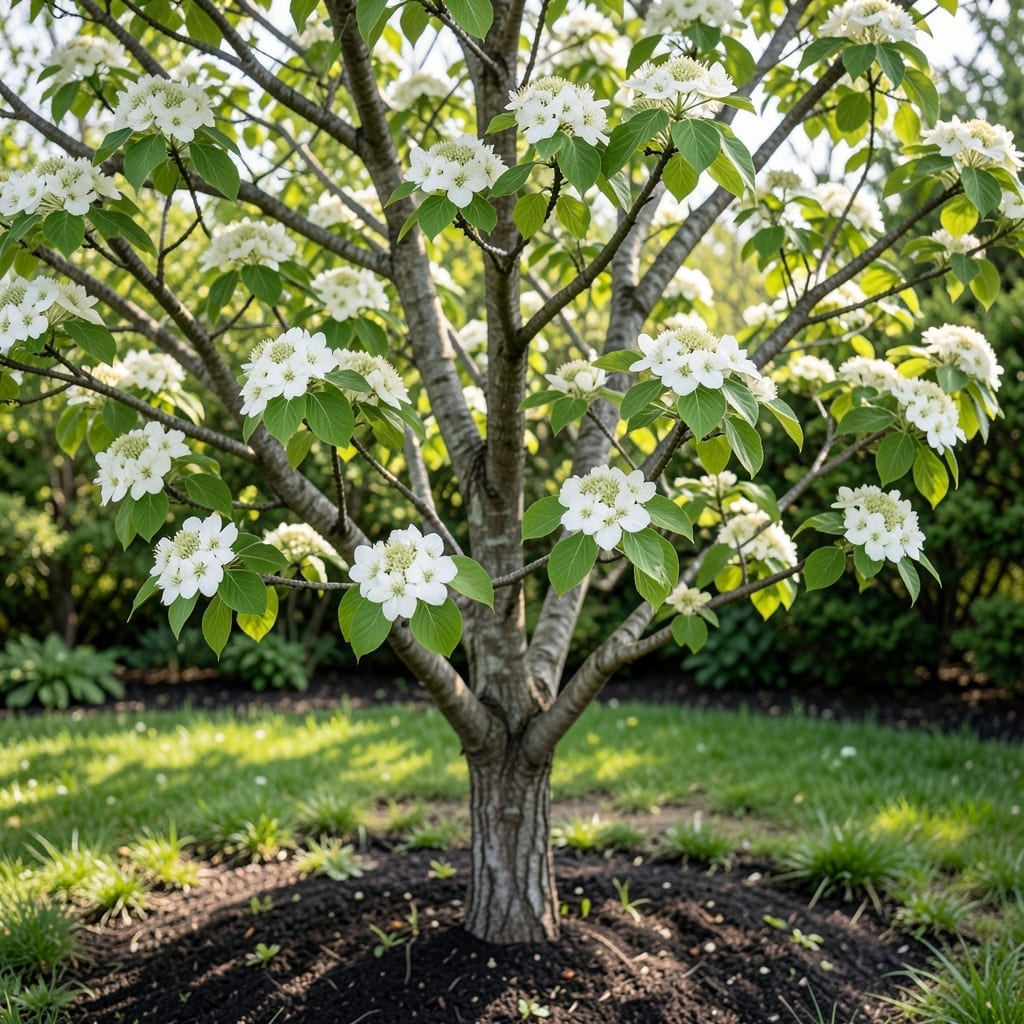
Understanding how quickly a 🌳 Flowering Dogwood grows can transform your gardening approach. This elegant tree doesn’t just add beauty—it evolves in surprising ways over time.
Whether you’re planting a sapling or caring for a mature tree, knowing its yearly height increase helps you plan with confidence. The right conditions make all the difference in its development.
Discover what to expect each year and how to nurture its best growth. Your landscape will thank you for the preparation.


I’ve seen flowering dogwoods surprise even experienced gardeners with their steady growth. These trees don’t rush, but under ideal conditions, they reward patience beautifully.
In the first year, expect 1-2 feet of growth as your sapling establishes its roots. This foundational phase is critical for long-term health and vigor.
| Year | Height Range | Key Growth Notes |
|---|---|---|
| Year 1 | 1-2 ft | Root establishment phase |
| Year 2 | 3-5 ft | Accelerated vertical growth begins |
| Year 3 | 6-10 ft | Branching becomes more pronounced |
| Year 5 | 10-15 ft | First significant blooming may occur |
| Mature | 15-30 ft | Full canopy, regular flowering |
By year two, your dogwood typically reaches 3-5 feet as it shifts focus from root development to upward growth. This is when you’ll start seeing its iconic branching pattern emerge.
In year three, expect 6-10 feet of height. The tree begins filling out, with more defined branches and potential for early blooms in some varieties.
The most exciting growth often happens between years 3-5, where you might see 12-18 inches of annual growth under optimal conditions. This is when the tree starts resembling its mature form.
At maturity, usually around 10-15 years, your flowering dogwood will stand 15-30 feet tall. The growth rate slows, but the tree focuses on producing its stunning spring blooms and vibrant fall foliage.
Remember, these are averages. Your tree’s growth can vary based on soil quality, sunlight exposure, and watering consistency. I’ve seen dogwoods in rich, acidic soil grow faster than those in poor conditions.
For the best results, plant in well-draining soil with partial shade. Morning sun and afternoon shade create the ideal environment for steady, healthy growth.
With proper care, your flowering dogwood will become a garden centerpiece, offering beauty across multiple seasons for decades to come 🌳
I’ve found that flowering dogwoods thrive with a little extra care. While they naturally grow 6-12 inches per year, you can boost this rate with the right approach and conditions.
Soil quality is the foundation. These trees prefer acidic, well-draining soil rich in organic matter. A soil test can reveal if amendments like compost or peat moss are needed.
Watering consistency makes a noticeable difference. Aim for 1-2 inches of water per week, either from rainfall or supplementation. Morning watering prevents evaporation loss.
For faster growth, ensure your dogwood gets 4-6 hours of sunlight daily. Morning sun with afternoon shade is ideal, especially in hotter climates.
Pruning at the right time helps too. Remove dead or crossing branches in late winter to direct energy toward healthy growth. Avoid heavy pruning, as it can stress the tree.
With these practices, I’ve seen dogwoods achieve 18-24 inches of growth in a season. Consistency is key—your tree will reward your care with vigorous development and abundant blooms 🌳